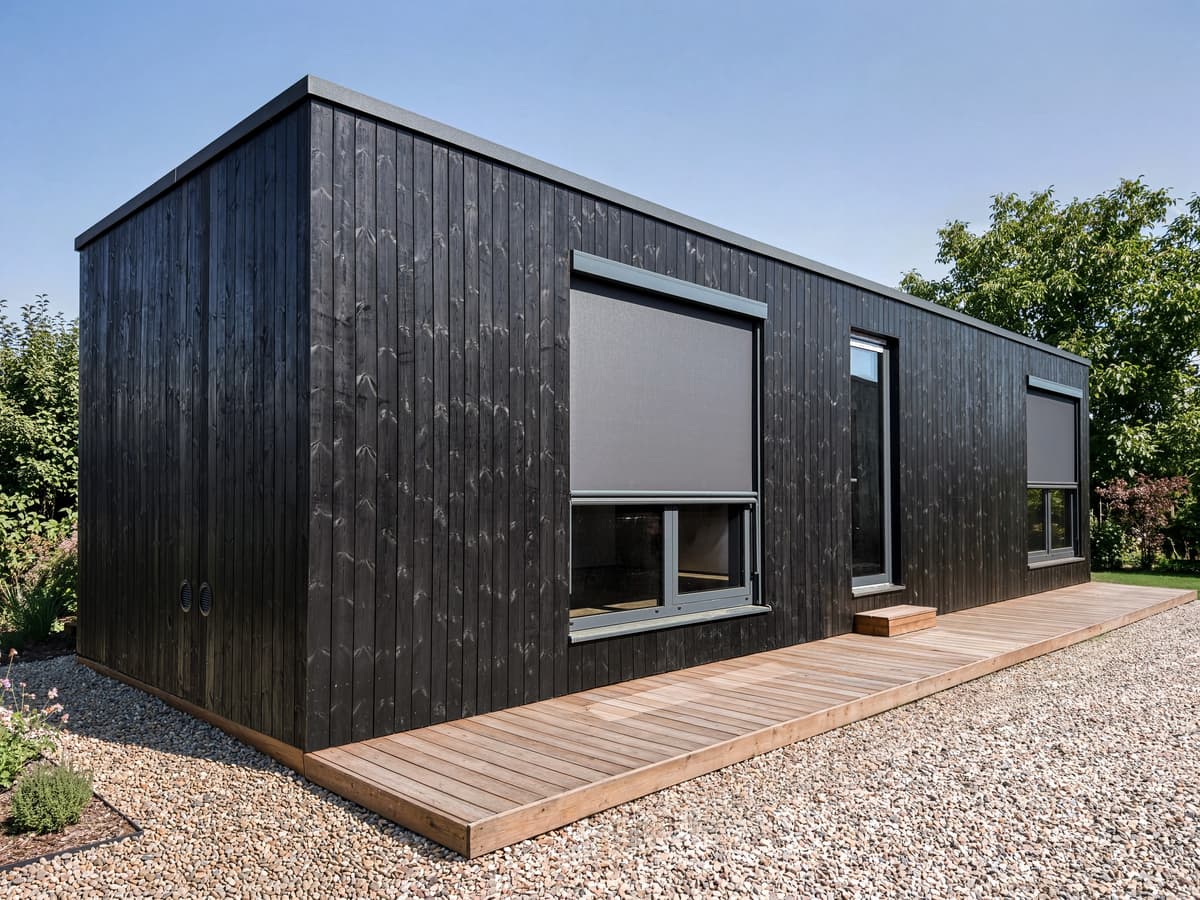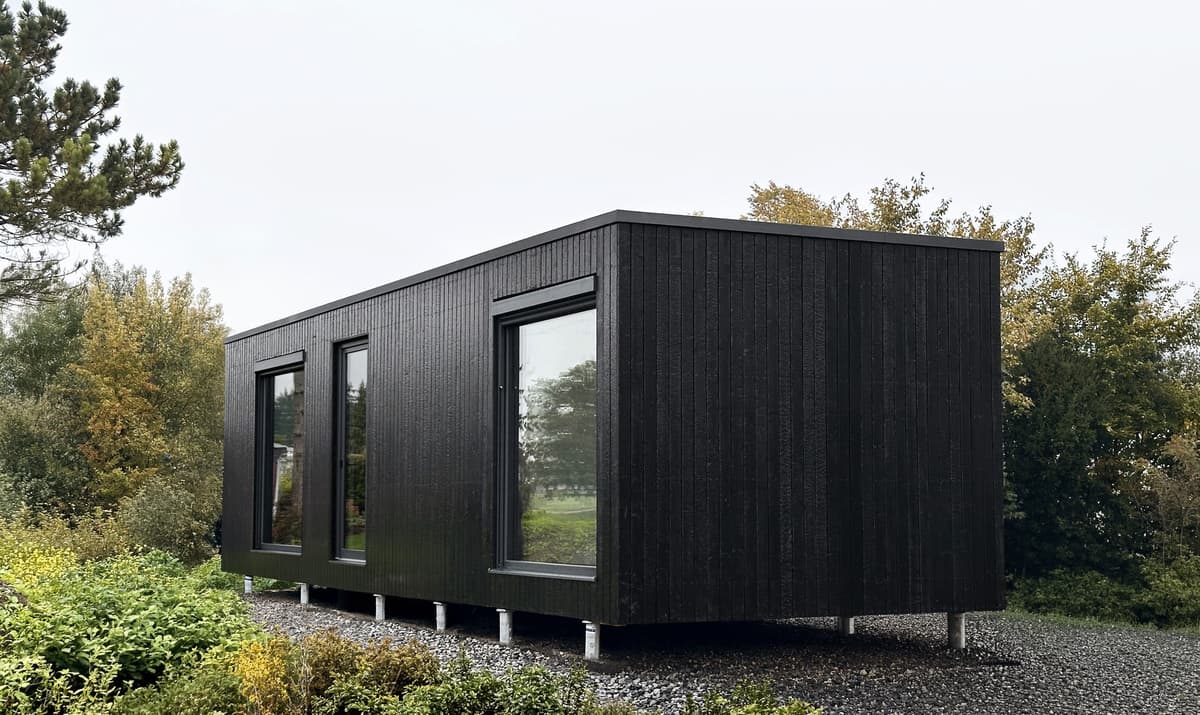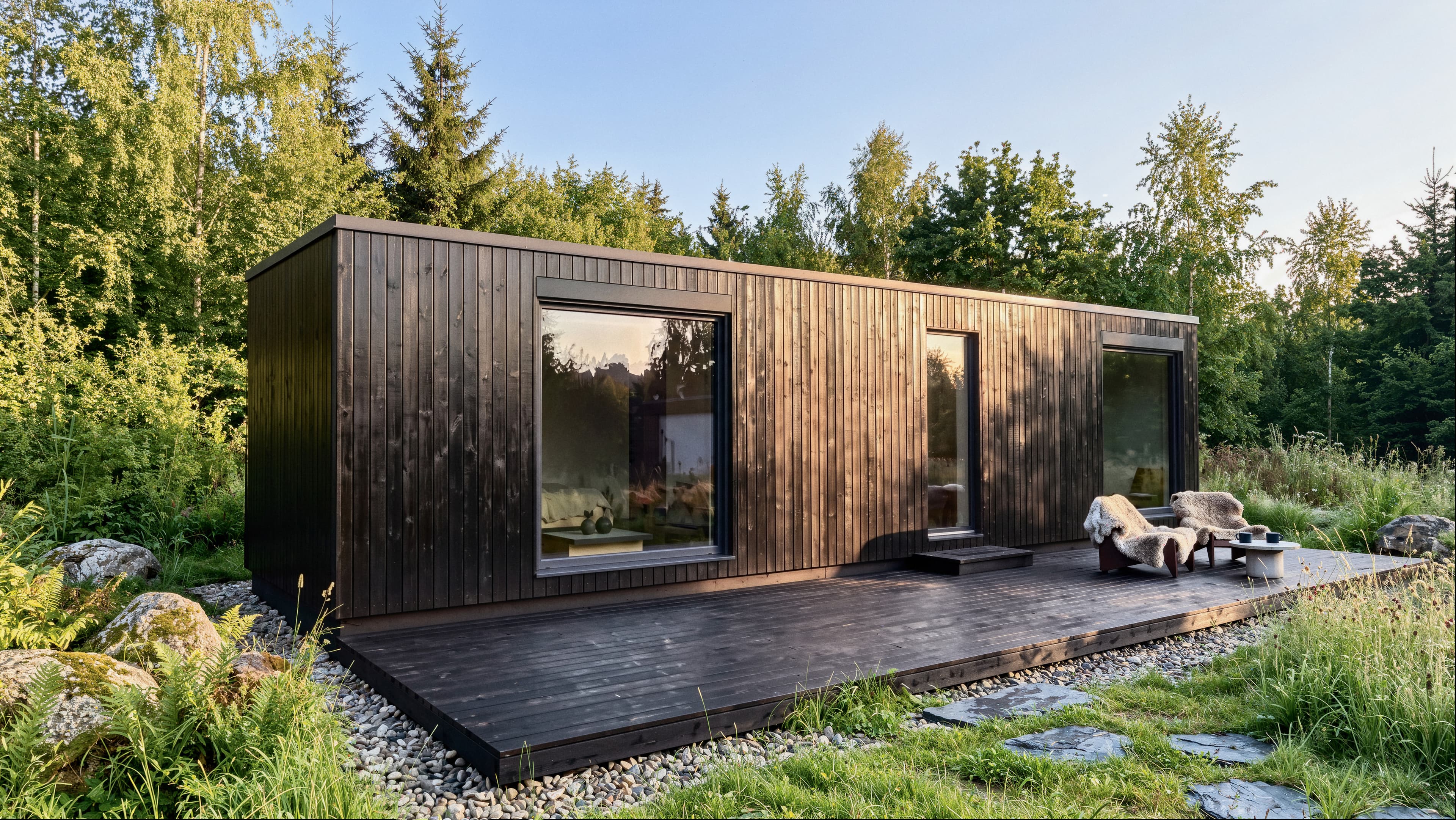
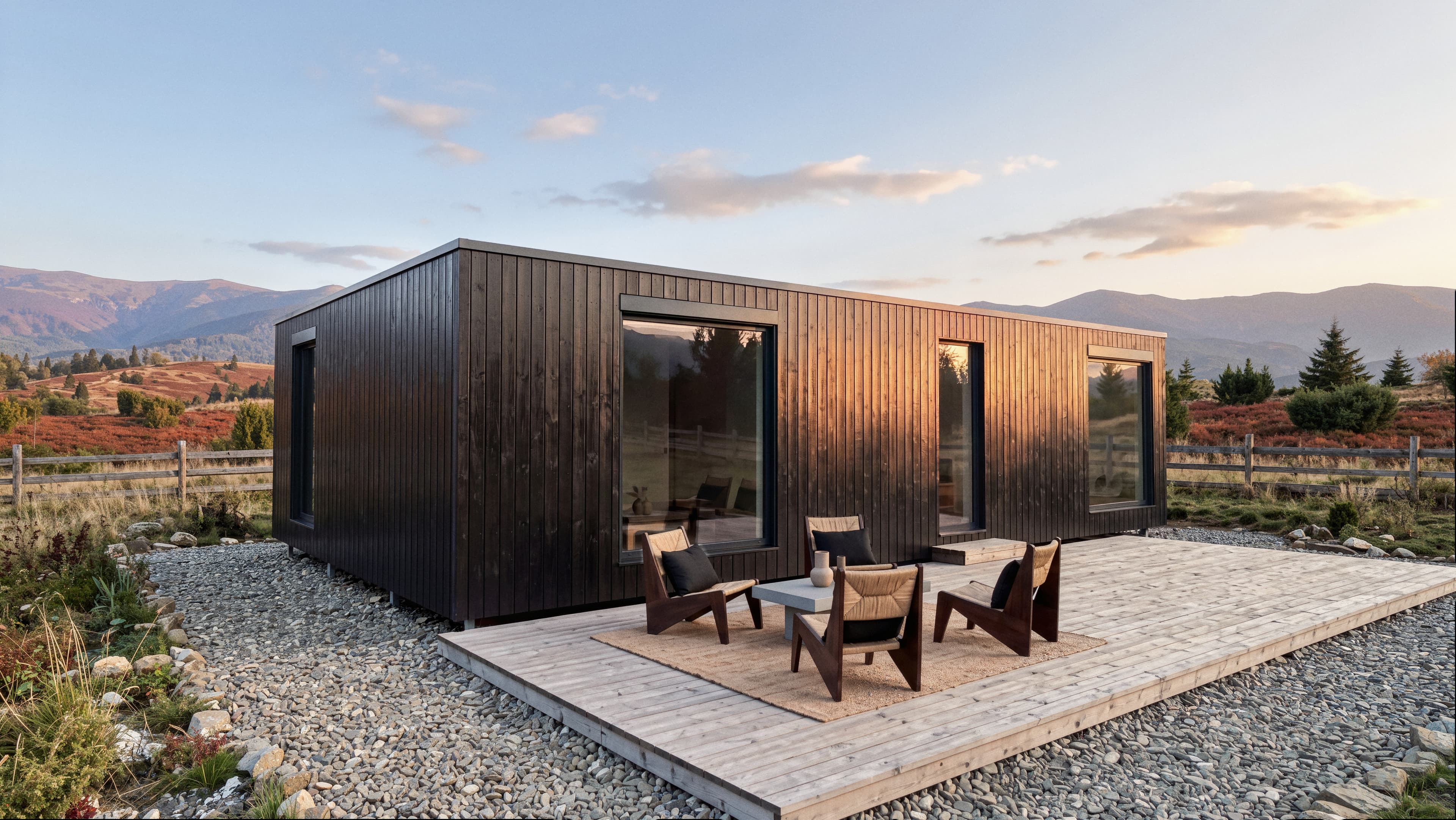
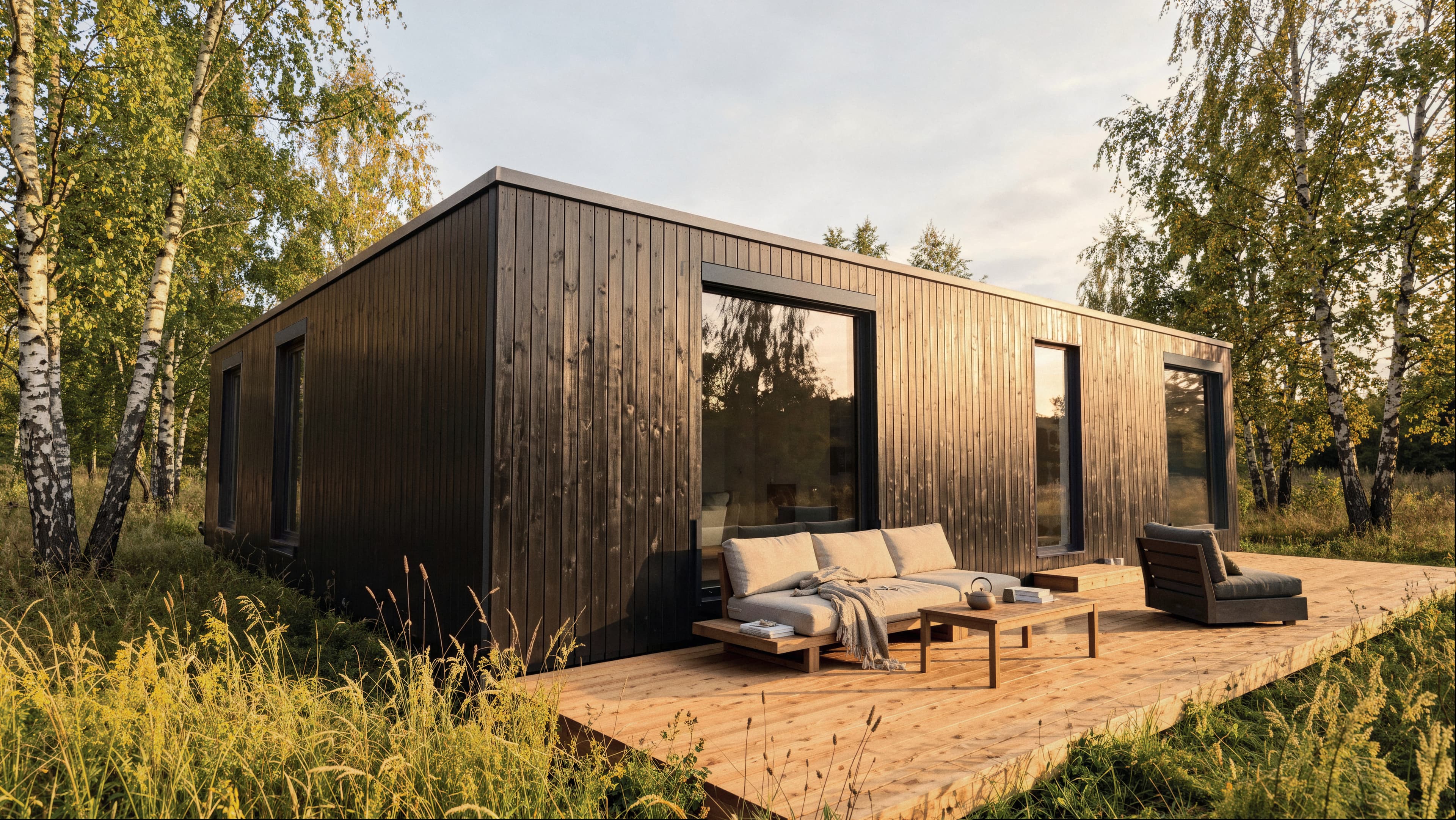
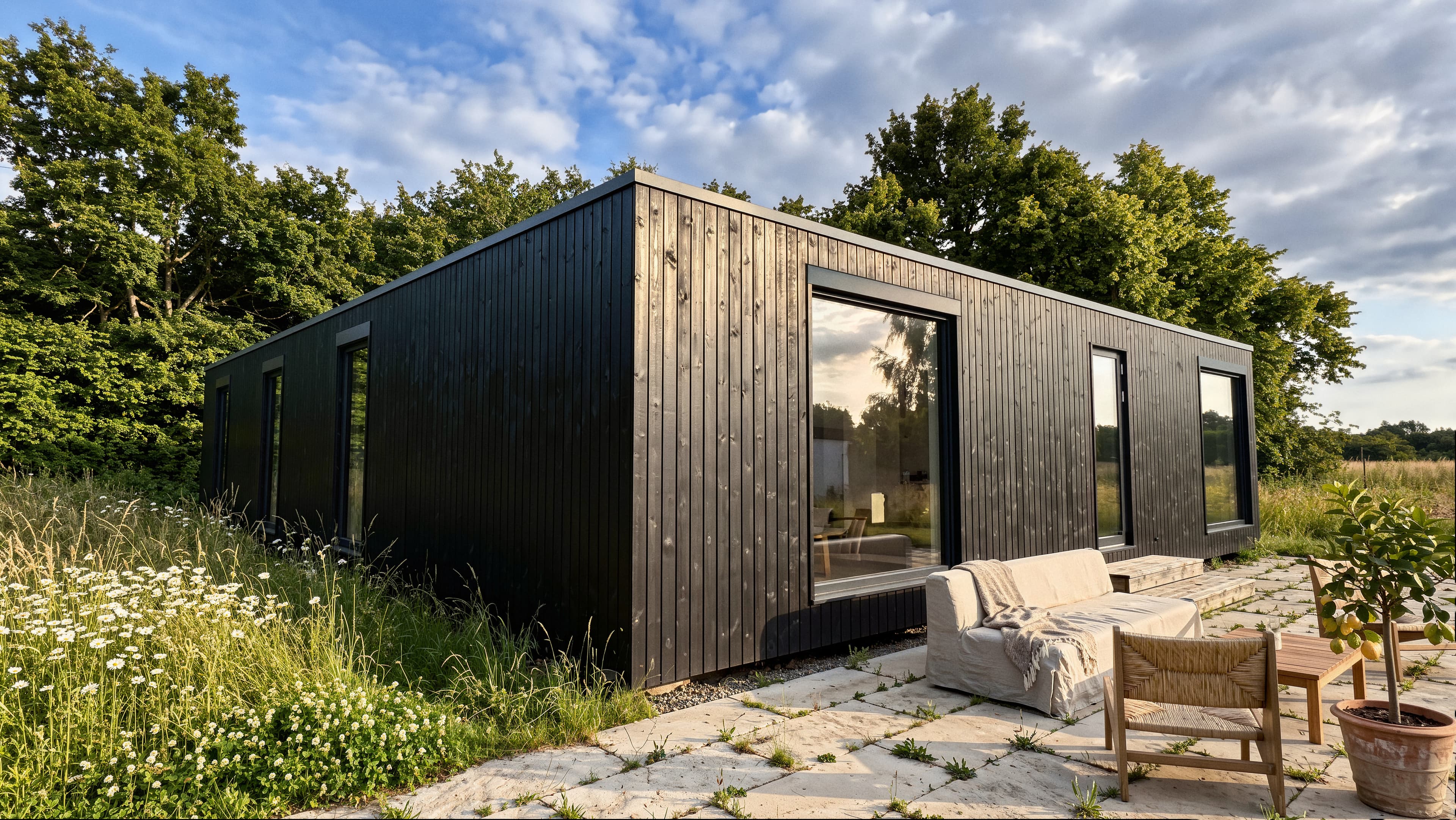
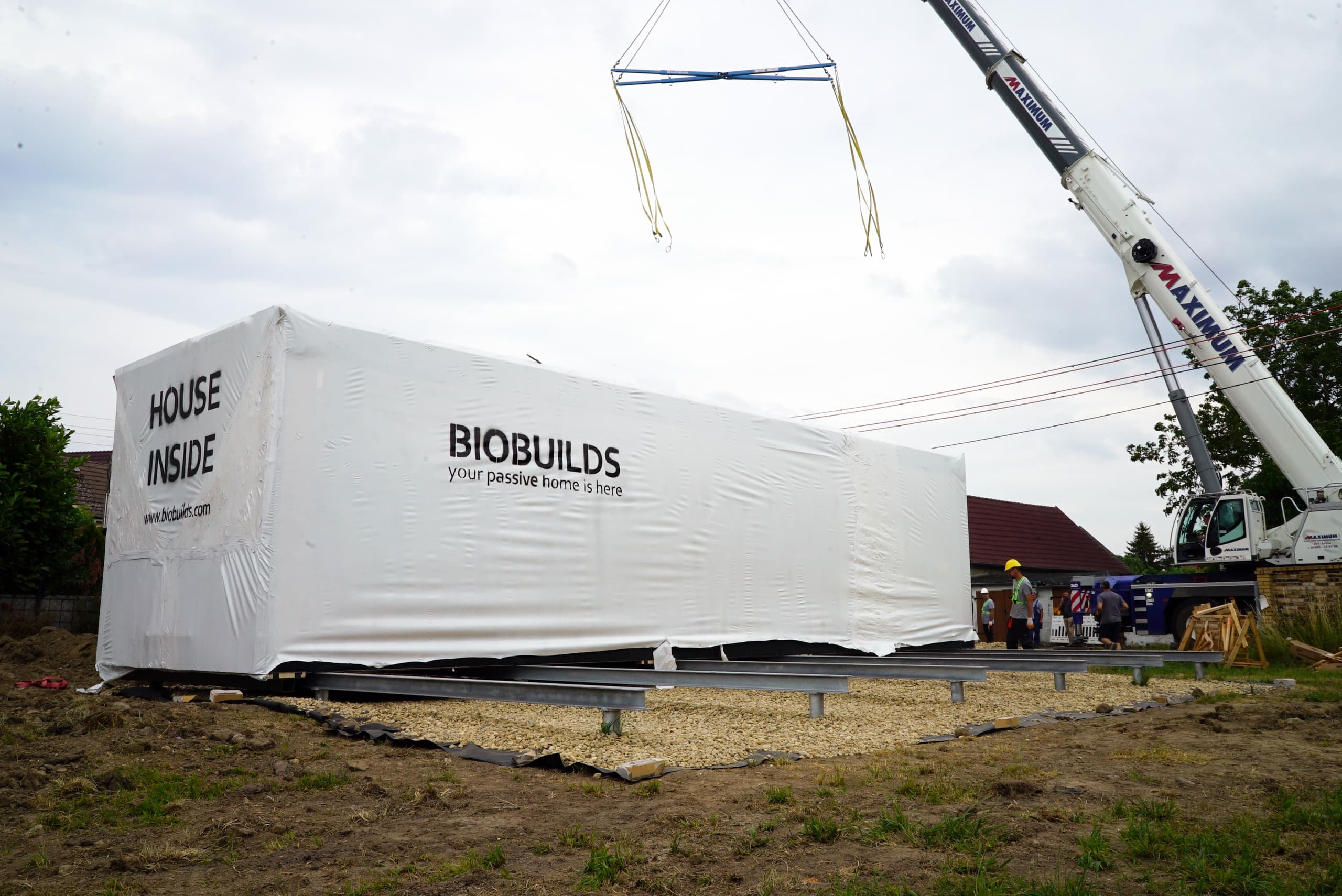
In Ireland, a permanent modular home and a traditional self-build follow the same planning rules, Building Regulations and building control requirements, and both can qualify for Help to Buy and the First Home Scheme if their conditions are met. BioBuilds builds its homes in a factory, with prices fixed in the contract and installation in around three days, followed by final work. A traditional self-build is built on site, trade by trade.
If you plan to self-build in Ireland, you can choose a traditional build or a factory-built modular home. Both end with a permanent home on your own site, and both can be a self-build for planning and funding purposes. This guide compares them on the points that matter: rules, supports, price certainty, payments, time on site and design.
What is the same for both?
- Planning permission, unless the home qualifies for an exemption such as the Class 3A garden home.
- The Building Regulations, including nearly zero energy building performance for a new home.
- Building control: a commencement notice and either statutory certification or, for a single home on a single site, the owner's opt-out.
- Development contributions under your council's scheme, and a wastewater system where there is no sewer.
- Help to Buy and the First Home Scheme, which both have self-build routes, if you meet their conditions.
Our guides to planning permission, building control, Help to Buy and the First Home Scheme cover each in detail.
Where do modular and traditional self-builds differ?
| BioBuilds modular home | Traditional self-build | |
|---|---|---|
| Where it is built | In the factory, indoors, then installed on site | On site, exposed to the weather until the roof and windows are on |
| Price of the house | Published price including 23% Irish VAT, transport and installation on prepared ground screws | Built up from the quotes of each trade, or one main contractor's price |
| Who coordinates | BioBuilds for the house; your team for planning, foundations and connections | You, a project manager or a main contractor for every trade |
| When payments fall due | 10% to reserve your offer, 40% for materials, 40% for production, 10% at delivery | In stages as certified work progresses on site |
| Time on site | Foundations and connections first, then installation in around three days and final work | The whole build, from foundations to finishes |
| Design | A catalogue of models and configurations | Fully bespoke within planning and budget |
BioBuilds' production and installation times come from its process information: about three weeks of factory production for a standard model under standard conditions, and installation in around three days, after which final work follows. Planning, site works and connections set the overall timetable for both routes.
The biggest practical difference is the payment timing. Under BioBuilds' payment schedule, 90% of the house price falls due before delivery, while self-build mortgages release money against certified progress on site. Agree the drawdowns with your lender before you sign.
How do the payments work with a self-build mortgage?
Lenders release self-build mortgages in stages against certified progress: AIB, for example, pays in four to six stages, each certified by your assigned certifier and requested through your solicitor (AIB self-build mortgage). With BioBuilds, 90% of the house price is due before delivery, so you and your lender need a plan for those payments from the start. For Help to Buy on a self-build, your mortgage must cover at least 70% of the lender's approved valuation; First Home Scheme equity does not count towards that threshold (Revenue). The First Home Scheme releases its funding in one payment only after the first mortgage stage payment and certification that at least 50% of the works requiring FHS funding are complete (First Home Scheme FAQ). Our guide to financing a modular home works through the cash flow.
Which one suits you?
A BioBuilds home suits you if you want a house price fixed in your contract, little time on site and one supplier for the house itself, and if one of the catalogue designs fits your site. A traditional self-build suits you if you want a fully bespoke design, plan to do some of the work yourself, or need a layout or size no modular range offers. Either way, the site, planning and funding come first.
What does a BioBuilds home cost in Ireland?
BioBuilds' Irish prices include 23% Irish VAT, transport and installation on prepared ground screws through BioBuilds' local partners. Wanderlust starts at €105,000 in Exterior Finished and Serenity at €191,000, including 23% Irish VAT. Foundations, crane hire, connections and other site works are quoted for your project; modular homes in Ireland sets out the full budget. Price your home in the configurator.