A new home in Ireland needs planning permission unless it qualifies for an exemption such as the Class 3A garden home. You publish a newspaper notice and erect a site notice, apply to your council within two weeks with a €65 fee for a house, and the council normally decides within eight weeks. After a four-week appeal period, permission is granted and lasts five years.
Planning permission is the first formal step for a new home, and it sets the timetable for everything else. The process is the same for a modular home as for one built on site: the council looks at the house, its position on the site and its effect on neighbours and the area. This guide walks through the steps, the documents and the time each stage takes.
Do you need planning permission for a new home?
Yes, unless the home qualifies for an exemption. Since 27 July 2026, a detached home in the rear garden of an existing house can be exempt under Class 3A if every condition is met; our guide to the garden home exemption explains them. Any other new home, including a modular home on its own site, needs permission. In rural areas, check the county development plan first: many counties have rural housing policies that set who may build a one-off house.
How do you apply for planning permission?
Sources: Local Government Ireland, planning permission and Fingal County Council. The fee for a house is €65; retaining a house built without permission costs €195 or €2.50 per square metre, whichever is greater (Fingal fee schedule). If the site has no public sewer, add the site characterisation form for the wastewater system; see our guide to septic tanks.
Plan for about three months from lodging to a final grant without complications: eight weeks for the decision and four weeks for appeals. The nine days from 24 December to 1 January inclusive are excluded from the notice, submission, decision and appeal periods. A further information request or an appeal adds time, so start planning before you order the house.
What happens after the council decides?
If the council asks for further information, you have six months to respond. When it decides to grant permission, you receive a notice of intention to grant. Anyone who made a submission can appeal to An Coimisiún Pleanála within four weeks; if nobody appeals, the permission is granted. You can also appeal a refusal or conditions you disagree with within four weeks. Full permission lasts five years and outline permission three.
- Read the conditions, including the development contribution, and comply with them.
- Lodge the commencement notice 14 to 28 days before work starts.
- Keep to the approved drawings; ask the council before making changes, because material changes may need a new permission.
- Start and finish within the permission's life, normally five years.
The levy is explained in our guide to development contributions, and the commencement notice in building control for a new home.
What does planning mean for a BioBuilds home?
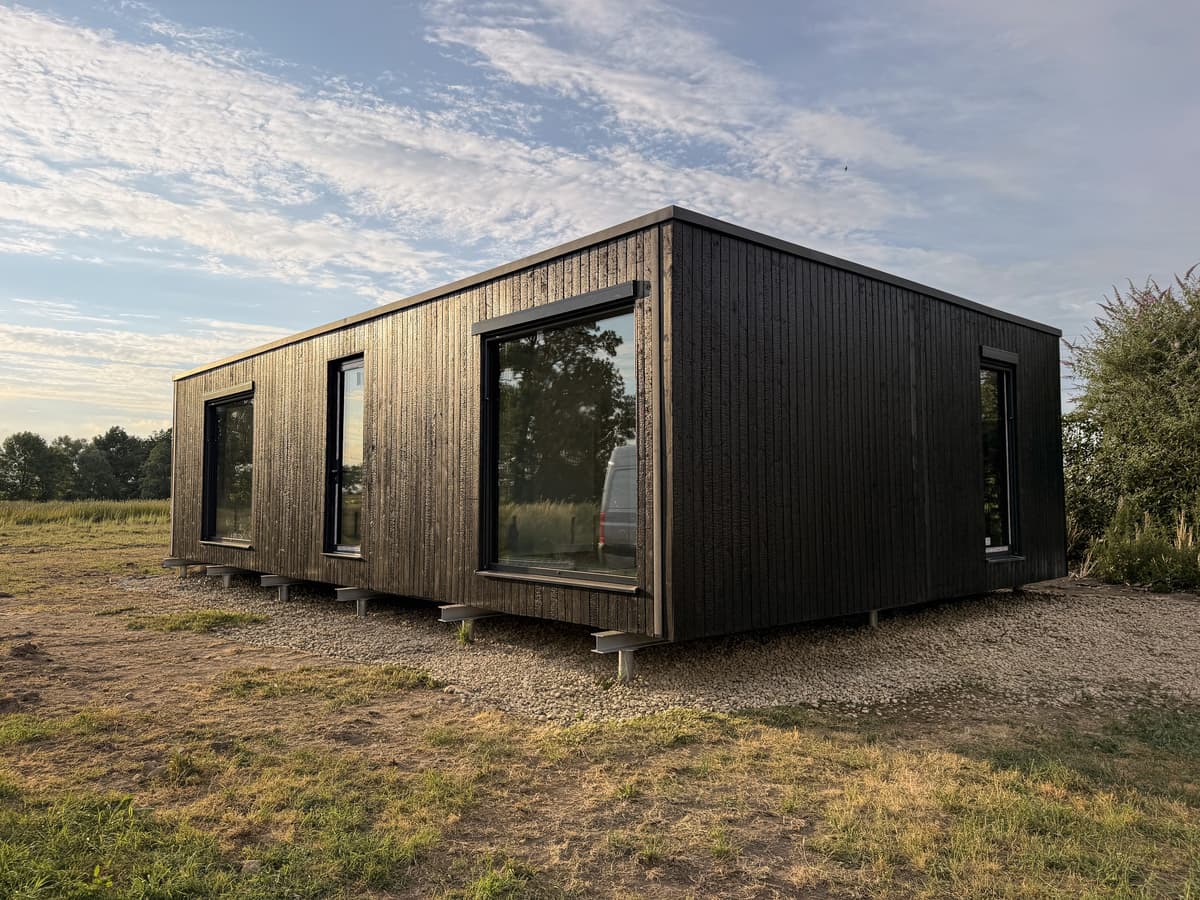
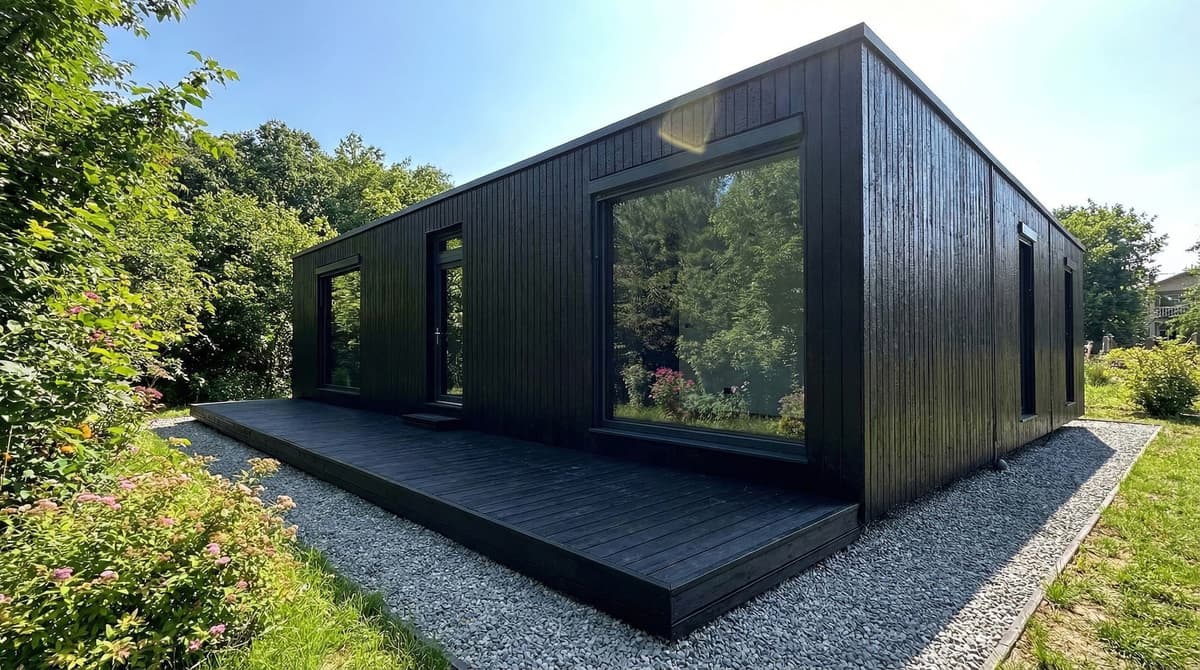
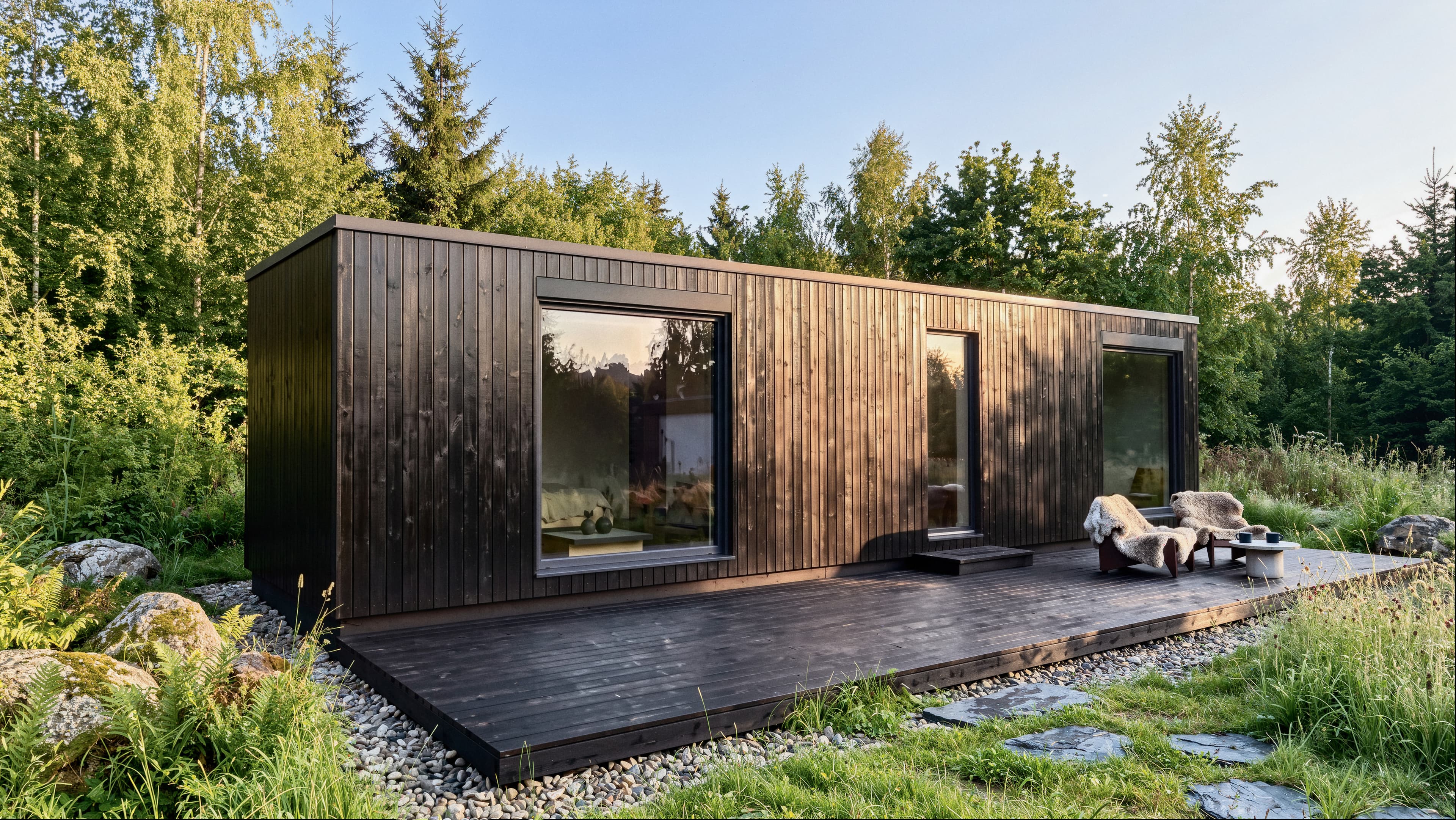
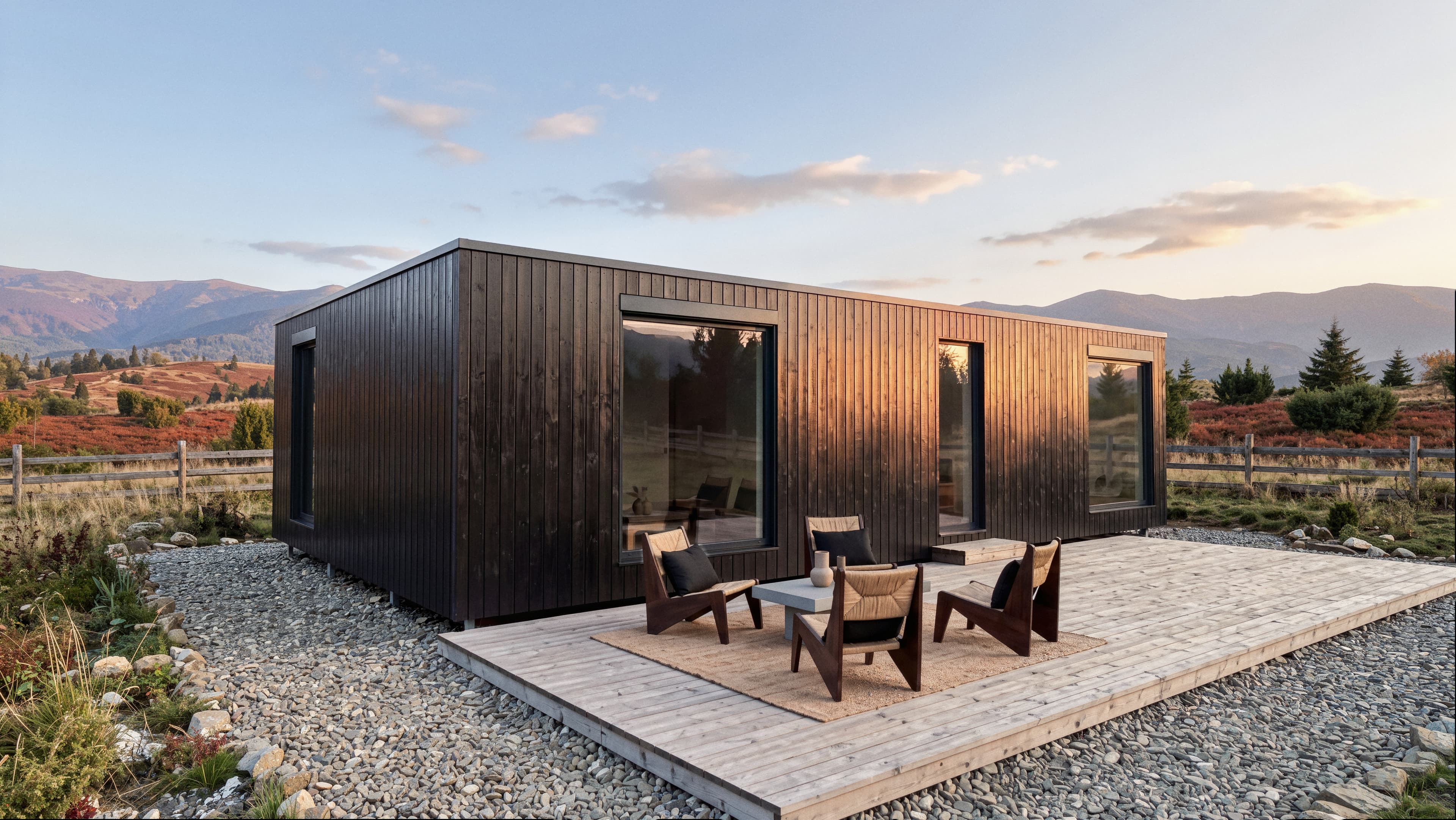
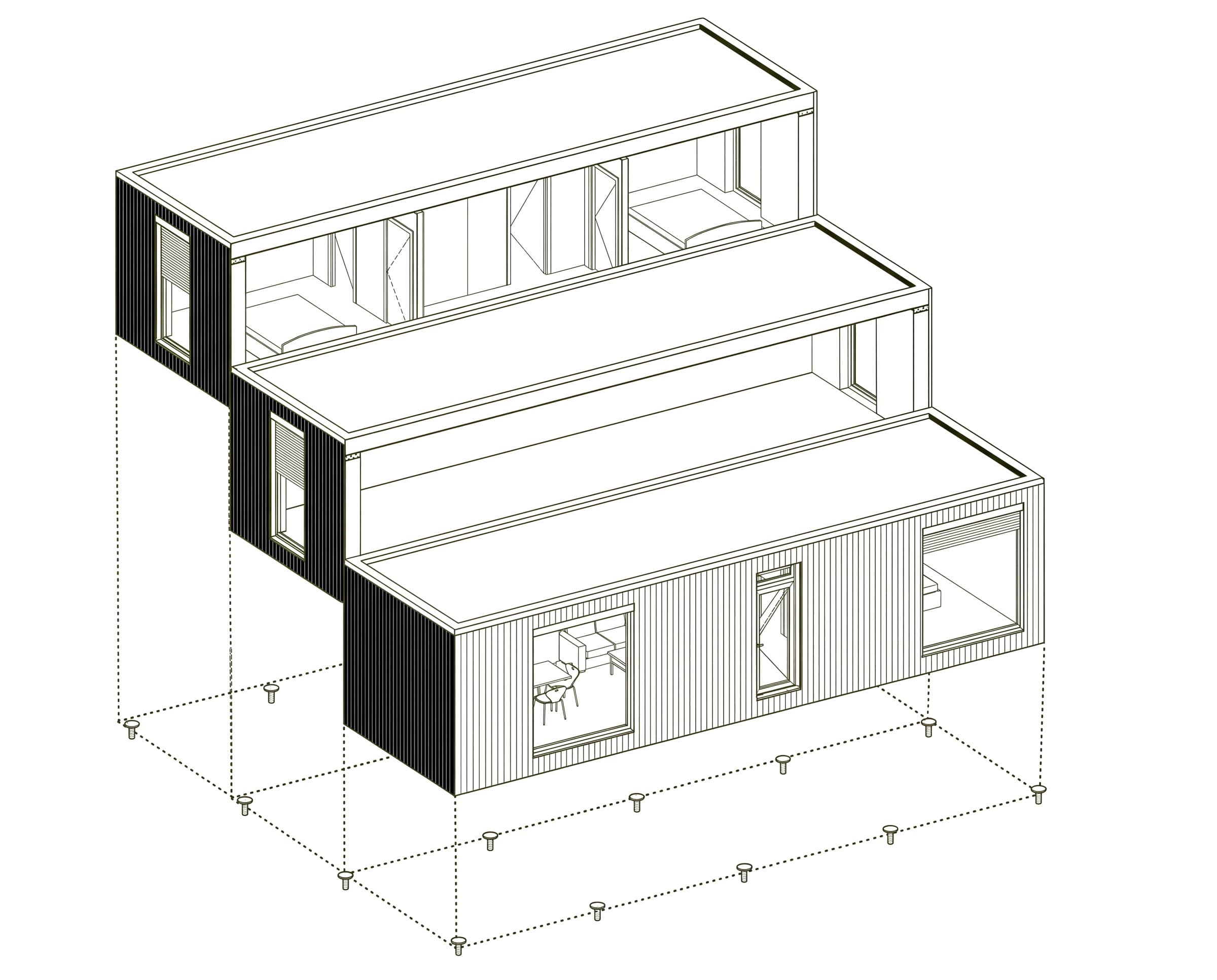
For applications outside the garden-home exemption, BioBuilds supplies plans, structural calculations, the certificate for its Passivhaus-certified building system and its external-wall Environmental Product Declaration. Your architect or engineer adapts the project to your site and the county development plan and lodges the application. BioBuilds' Irish prices include 23% Irish VAT, transport and installation on prepared ground screws through BioBuilds' local partners; Serenity starts at €191,000 in Exterior Finished, including 23% Irish VAT.
Choosing land? Read our guide to buying a site first, and see modular homes in Ireland for the full project. Price your home in the configurator.