
Before building a new home in Ireland, you lodge a commencement notice on the Building Control Management System 14 to 28 days before work starts, with a €30 fee. You then either use statutory certification, with an assigned certifier and a Certificate of Compliance on Completion, or, for a single home on a single site, opt out by declaration. Either way, the home must comply with the Building Regulations.
Planning permission decides whether you may build; building control is how you show that the home is built to the Building Regulations. It applies to every new home, including a modular one assembled on site. This guide explains the commencement notice, the two certification routes for a self-builder, the completion certificate and the new rules for garden homes.
What is a commencement notice?
A commencement notice tells the building control authority that work is about to start. You lodge it through the Building Control Management System (BCMS) not less than 14 days and not more than 28 days before work begins (Cork City Council; Building Control Regulations, Articles 8 and 9). The fee is €30 per building (Limerick City and County Council). Starting before a valid notice is in place breaches the regulations.
Should you use statutory certification or opt out?
For a new single dwelling on a single development, the owner can choose between two routes:
| Statutory certification | Opt out by declaration | |
|---|---|---|
| With the commencement notice | Design certificate, nomination of an assigned certifier and a builder, their undertakings and a preliminary inspection plan | Owner's declaration of intention to opt out, plans and particulars showing how the home will comply, and the notice of assignment of the builder |
| During construction | The assigned certifier inspects under the inspection plan | No assigned certifier is required, but the council may inspect; you remain responsible for evidence of compliance |
| At completion | Certificate of Compliance on Completion, validated and registered before you occupy the home | No Certificate of Compliance on Completion |
| Building Regulations | Must be met | Must be met |
The opt-out was introduced by S.I. No. 365 of 2015 from 1 September 2015. Opting out removes the statutory certificates, not the duty to comply.
Ask your lender before you opt out. AIB, for example, asks self-builders for a completed Building Certificate confirming nZEB standards with each stage payment, so plan for professional certification in practice either way.
The AIB requirement is described in its BER and mortgage FAQ. Other lenders set their own conditions.
What changed for garden homes in 2026?
The Building Control (Amendment) Regulations 2026, S.I. No. 359 of 2026, took effect on 27 July 2026 alongside the new planning exemption for detached homes in rear gardens. An auxiliary habitable dwelling needs a competent builder and an assigned certifier, plus a commencement notice supported by a design certificate, assignment notices, undertakings and a preliminary inspection plan. At completion, the builder and assigned certifier sign the Certificate of Compliance on Completion, which must be registered before occupation. Where the dwelling is built off site and assembled on site, an Agrément certificate or compliance with an Irish Standard is required (Fingal County Council). The planning side is covered in our guide to the garden home exemption.
What does building control mean for a BioBuilds home?
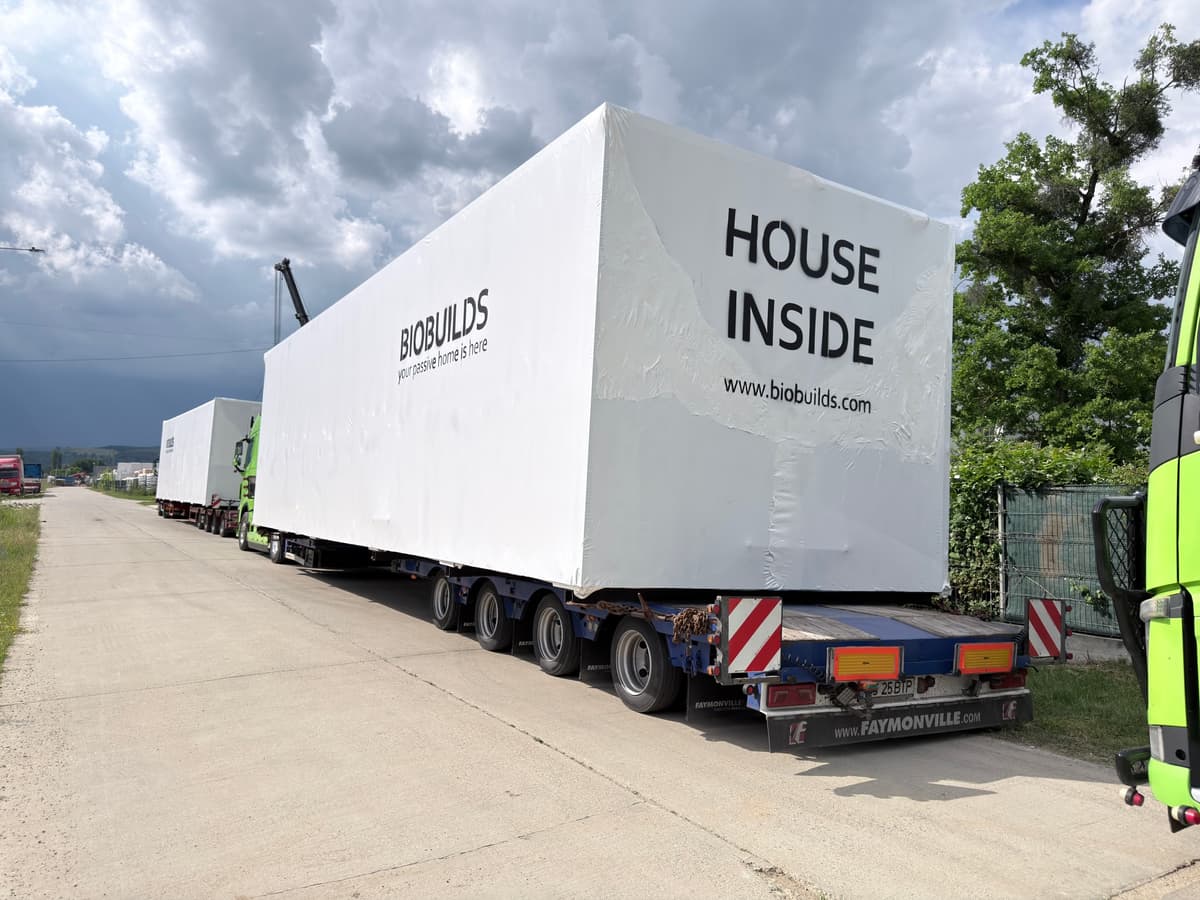
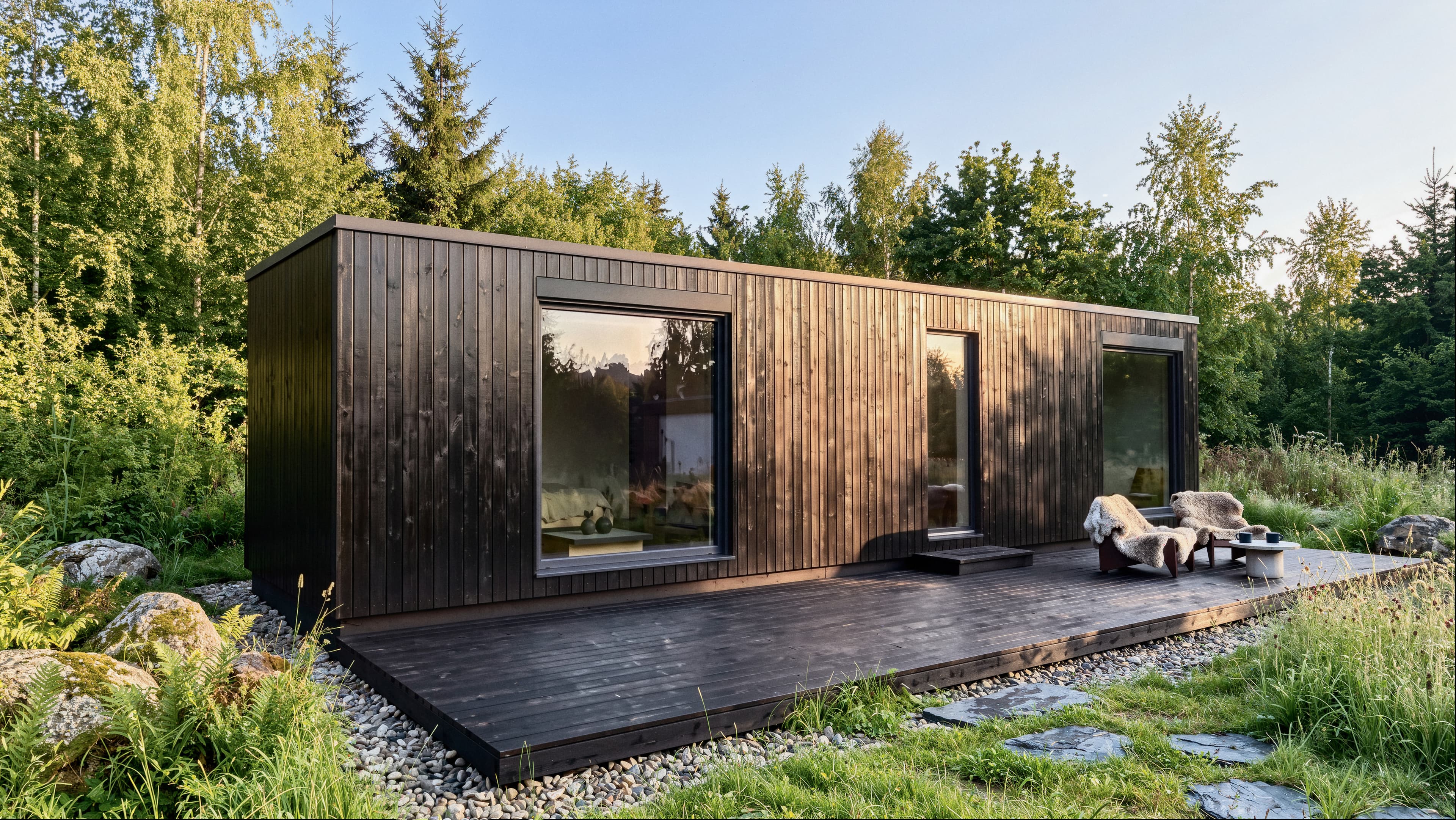
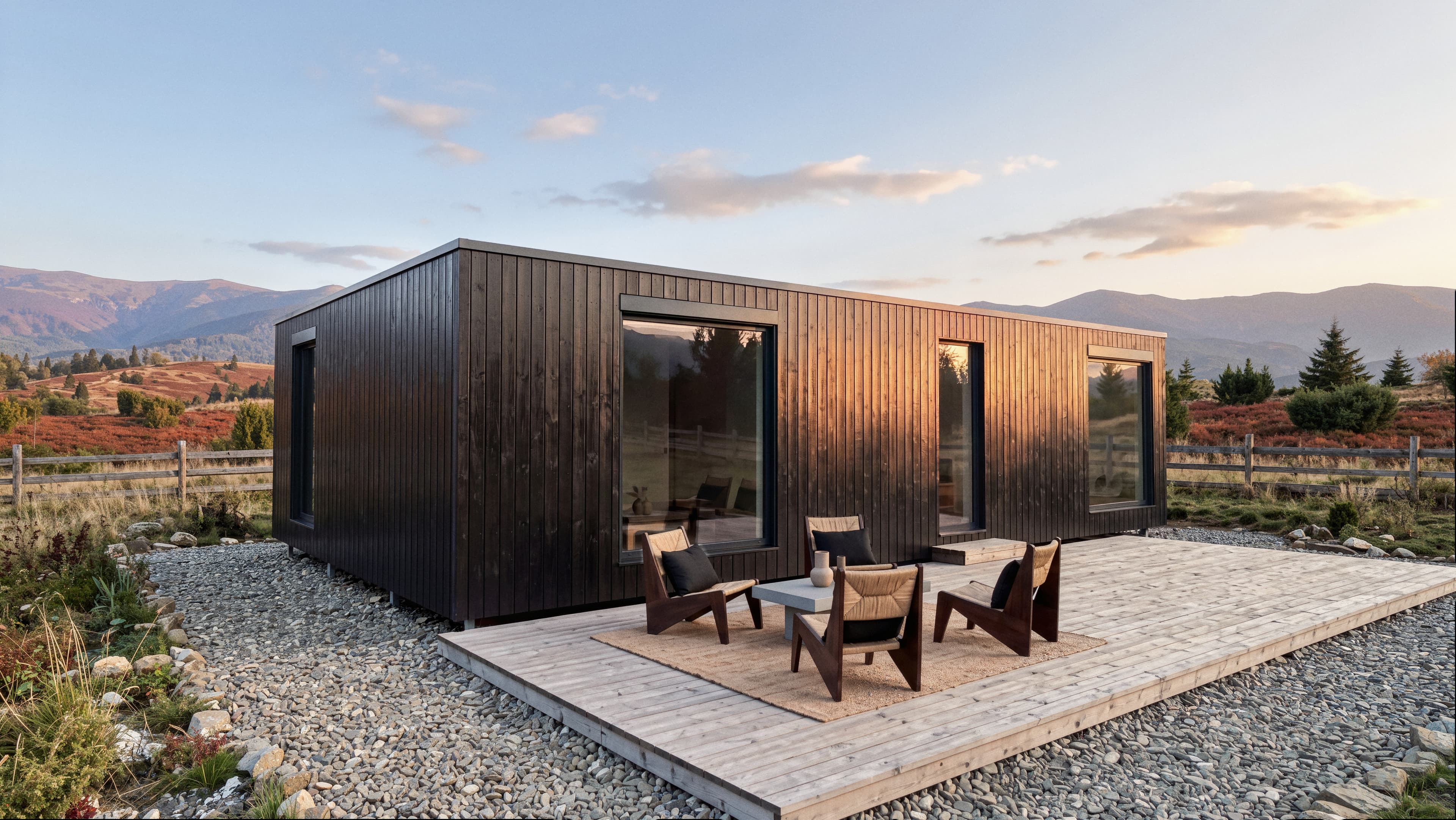
BioBuilds supplies plans, structural calculations and the certificate for its Passivhaus-certified building system. Your architect or engineer uses them to prepare the compliance documents for your site and your chosen certification route. The Passivhaus certificate is energy-performance evidence; it does not replace the Irish construction-compliance evidence your building control authority and lender expect.
BioBuilds' Irish prices include 23% Irish VAT, transport and installation on prepared ground screws through BioBuilds' local partners; Serenity starts at €191,000 in Exterior Finished, including 23% Irish VAT. See modular homes in Ireland for the full project picture, and price your home in the configurator.