The First Home Scheme is a State-backed shared equity scheme. It can fund up to 30% of a new home's price or a self-build's cost, or 20% with Help to Buy, in return for an equity share. A self-build's cost must be within your area's ceiling of €375,000 to €500,000; the funds arrive after your lender's first stage and once half of the funded works are certified complete.
The First Home Scheme bridges the gap between your deposit plus mortgage and the cost of a new home. It works for homes in private developments and, through its Self-build product, for a house you build on your own site. This guide covers the self-build rules, the county price ceilings, the timing of the funds and the service charge.
How does the First Home Scheme work?
The scheme gives you funds in return for a percentage ownership of your home, called the equity share. That percentage can change if a self-build cost overrun or underrun changes your mortgage drawdown. Otherwise, it stays the same until you buy it back, while the euro amount you repay rises or falls with the home's value. The minimum equity share is 2.5% of the price or build cost, or €10,000, whichever is higher (First Home Scheme, FAQs).
- First-time buyers, and eligible fresh-start applicants who no longer retain an interest in a previous home after a relationship breakdown, insolvency or bankruptcy.
- Mortgage approval from a participating lender, borrowing the maximum available to you, up to four times income, without a macro-prudential exception.
- A deposit of at least 10%; for a self-build, equity in your site can count towards the 10% of the build cost.
- The home will be your principal private residence.
Source: First Home Scheme, rules and eligibility.
What are the First Home Scheme price ceilings?
The price or self-build cost must be at or below the ceiling for the local authority area. For a self-build, the ceiling covers all costs of completing the project, including connection fees, local authority fees and professional fees; the scheme does not fund the site itself.
| Local authority areas | Self-build price ceiling |
|---|---|
| Cork City, Dublin City, Dún Laoghaire-Rathdown, Fingal, South Dublin, Wicklow | €500,000 |
| Galway City, Kildare, Meath | €475,000 |
| Cork County, Galway County, Limerick | €450,000 |
| Kerry, Louth, Mayo | €425,000 |
| Clare, Donegal, Kilkenny, Laois, Leitrim, Roscommon, Sligo, Waterford, Westmeath, Wexford | €400,000 |
| Carlow, Cavan, Longford, Monaghan, Offaly, Tipperary | €375,000 |
Source: First Home Scheme, property price ceilings, as of 16.10.2026. The ceilings are reviewed regularly.
How is the First Home Scheme paid for a self-build?
You have 12 months from signing the contract to draw down the equity in a single transaction. The scheme does not cover cost overruns, so arrange a contingency with your lender.
The First Home Scheme pays after your lender's first stage and once at least half of the works requiring FHS funding are certified complete. Plan the earlier payments from your deposit and mortgage.
What does the First Home Scheme cost?
There is no service charge for the first five years. From year six, the annual charge is a percentage of the original equity amount: 1.75% for years 6 to 15, 2.15% for years 16 to 29 and 2.85% from year 30. On a €50,000 equity share, that is €875 a year from year six. You can buy back the equity share in part or in full; the charge is calculated on your remaining share, and the site value is discounted when a self-builder redeems. You can defer service charge payments at no extra cost, but the charges continue to accrue and must be repaid.
What does the First Home Scheme mean for a BioBuilds home?
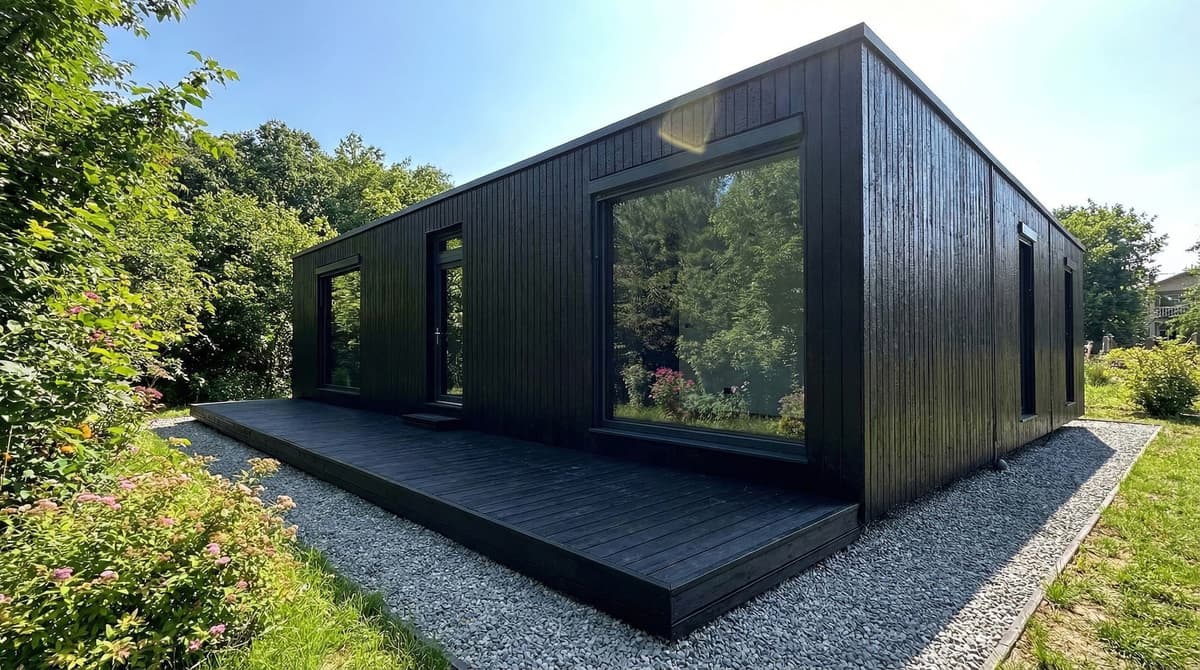
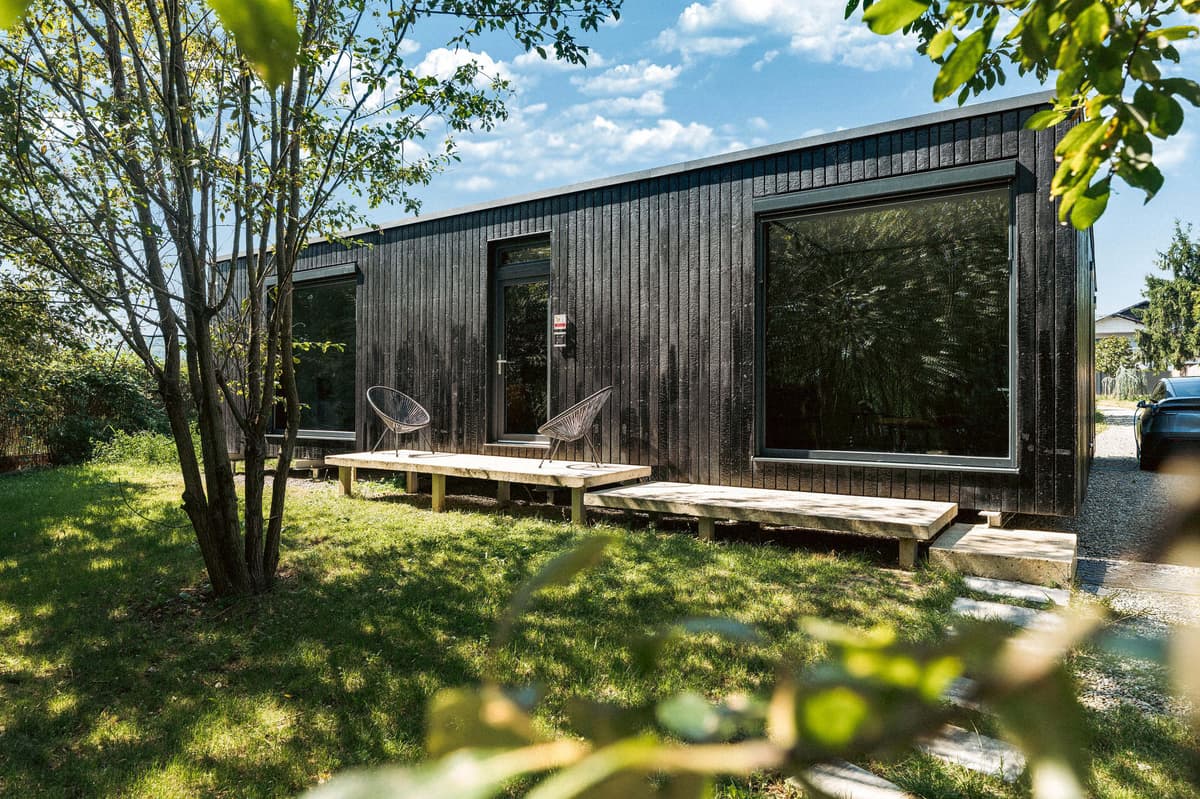
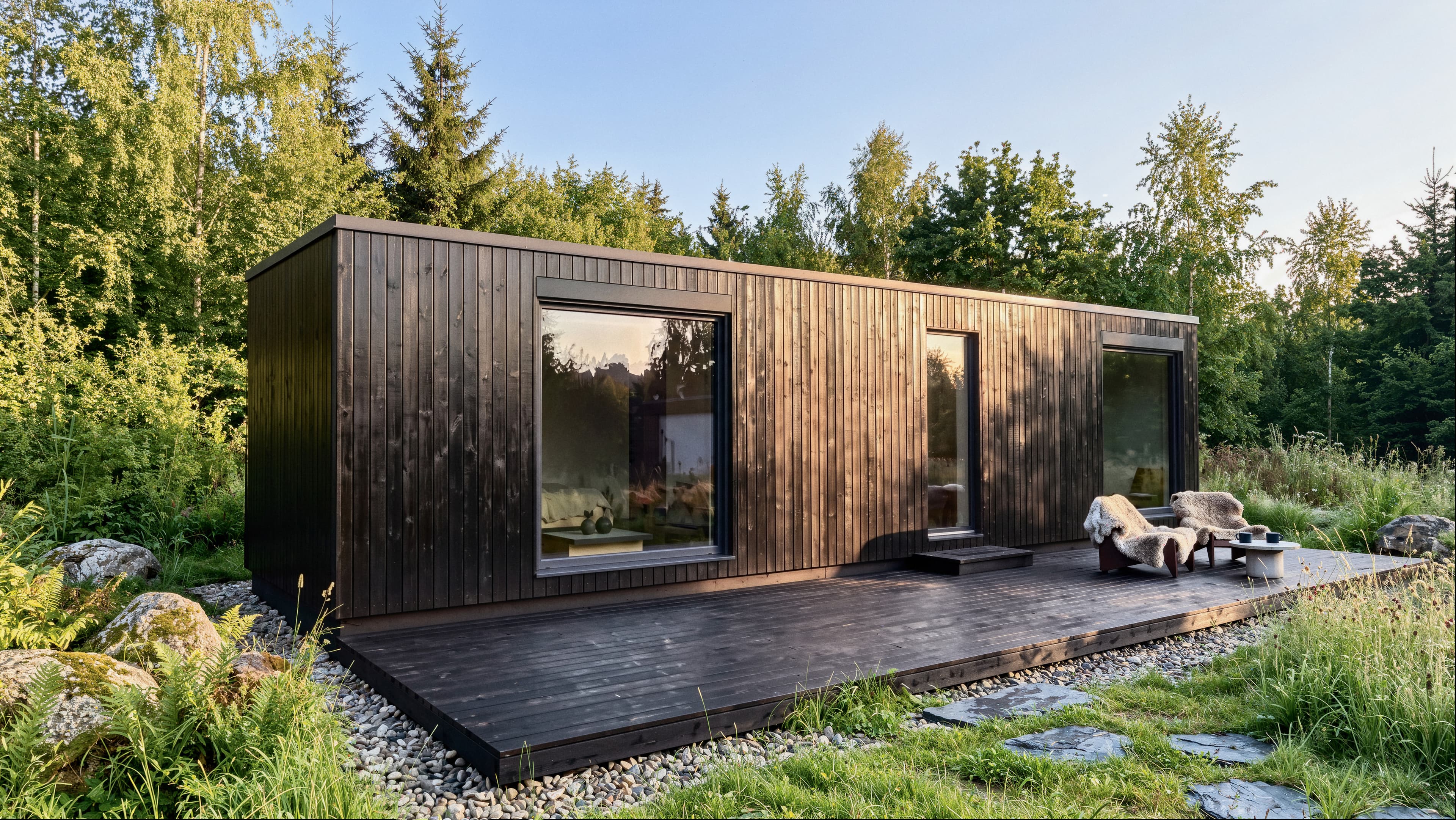
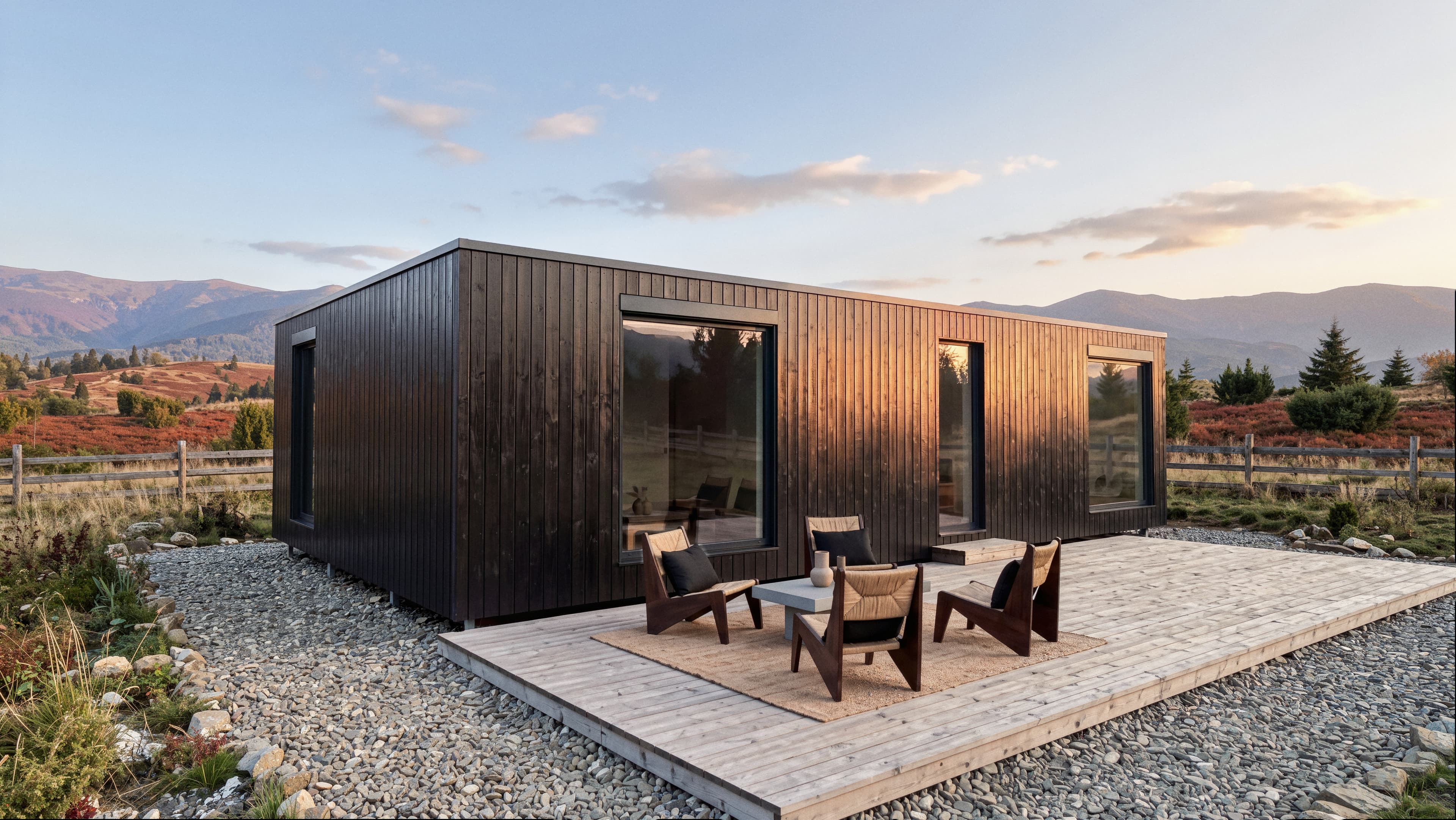
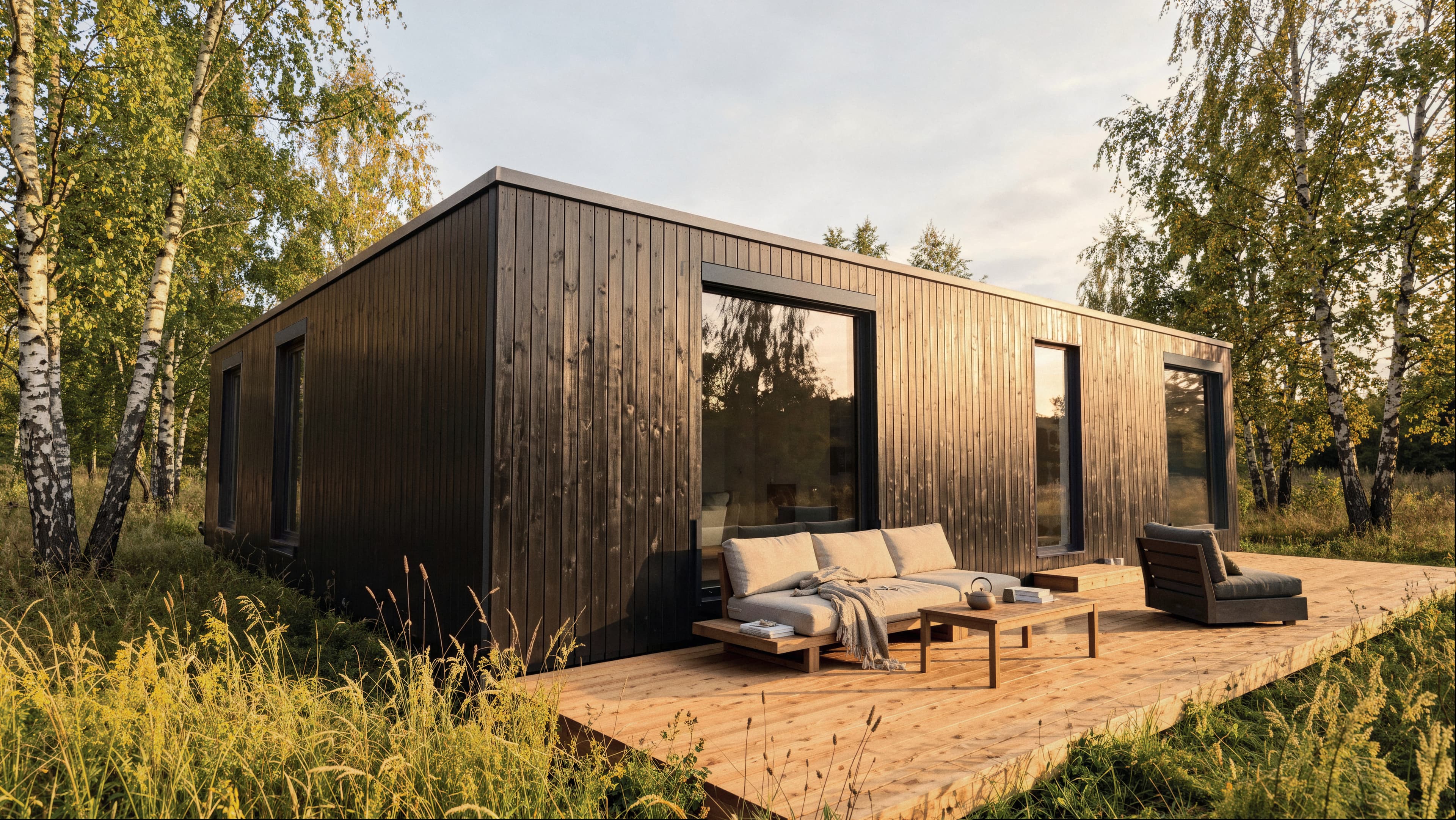
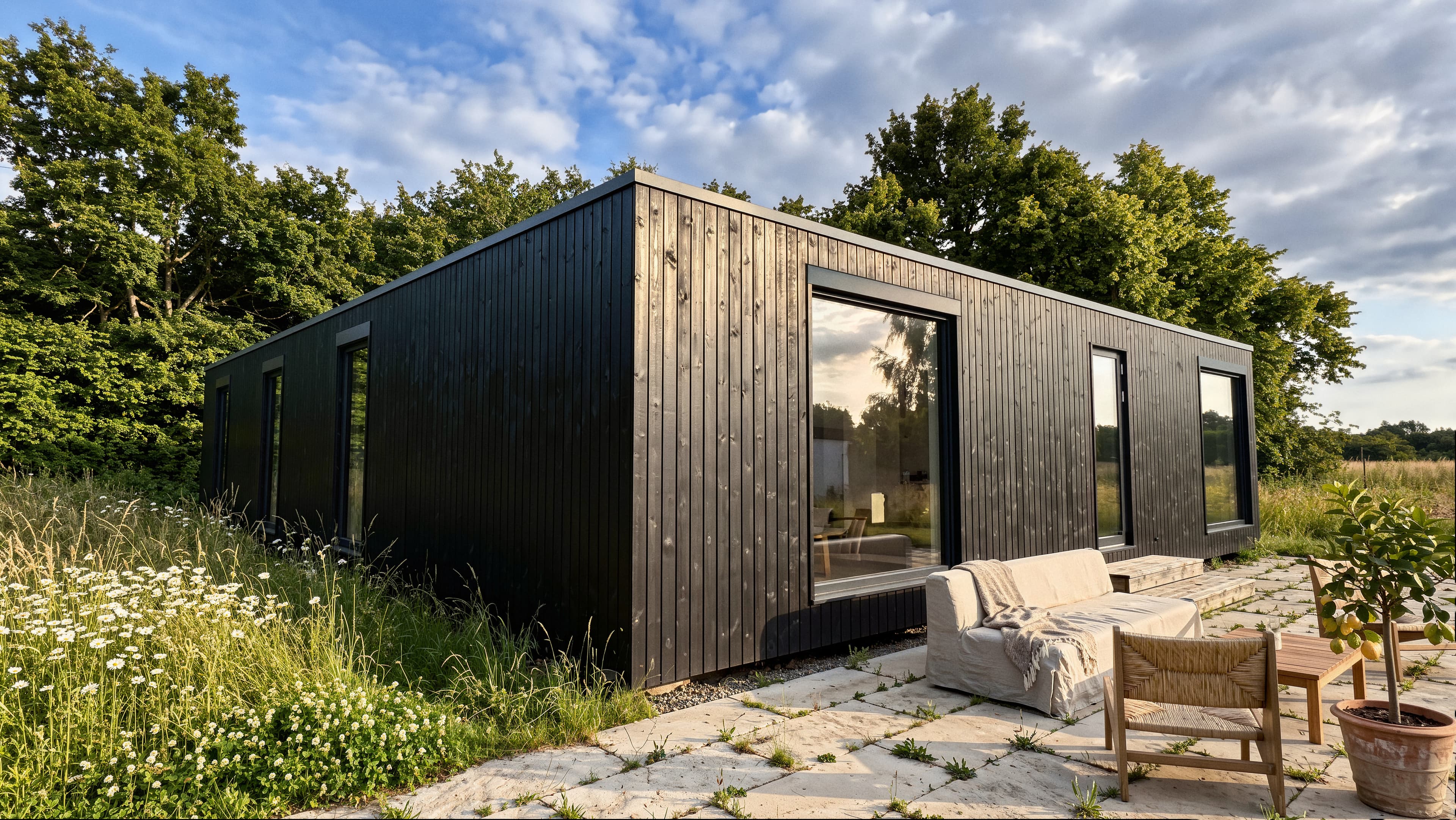
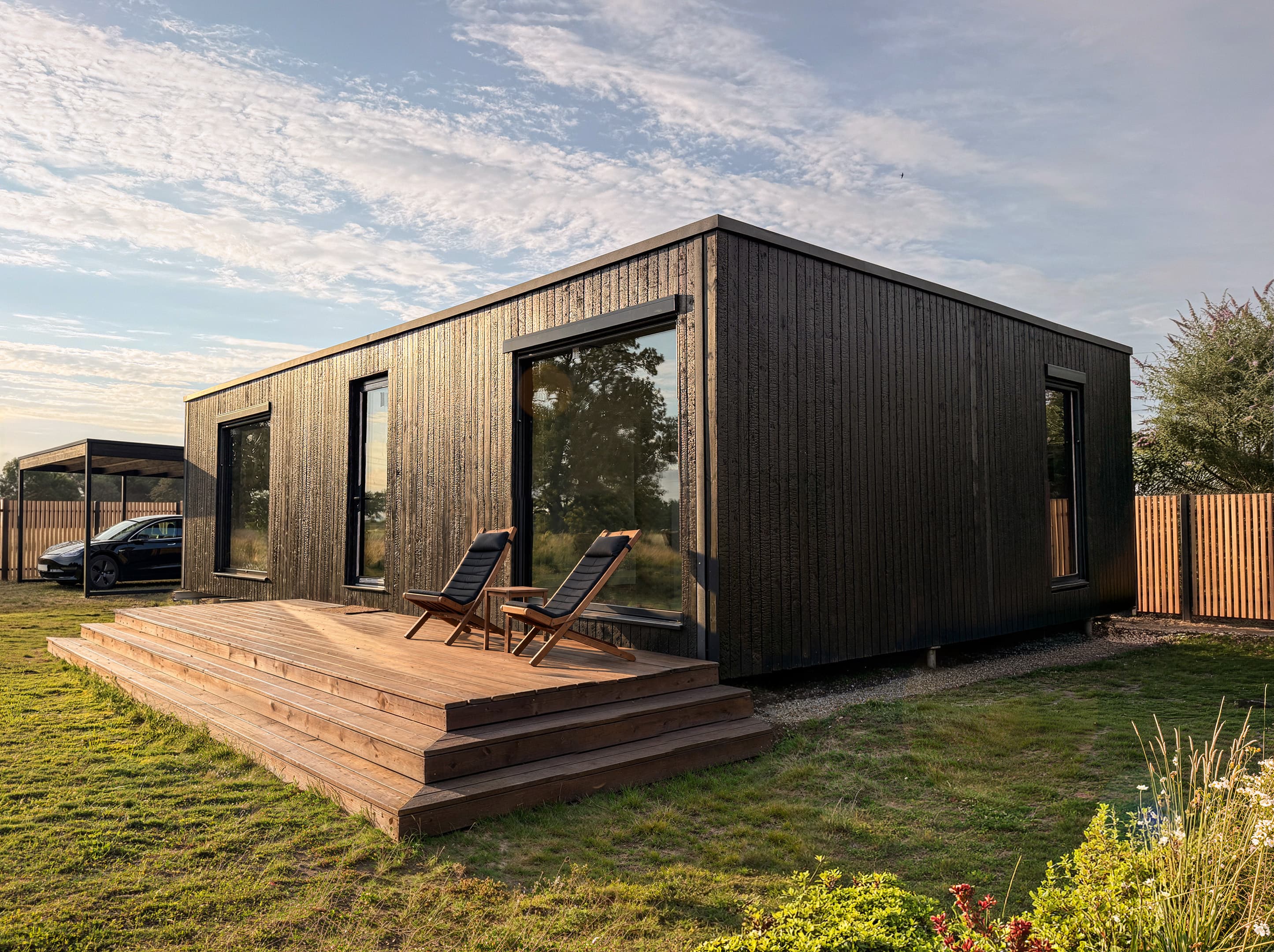
BioBuilds' Irish prices include 23% Irish VAT, transport and installation on prepared ground screws through BioBuilds' local partners; Serenity starts at €191,000 in Exterior Finished, including 23% Irish VAT. For the ceiling, add the crane, foundations, connections, fees and the remaining work to the house price, because the scheme counts every completion cost.
Mind the timing: BioBuilds' payment schedule is 10% to reserve your offer, 40% for materials, 40% for production and 10% at delivery, while the scheme pays only after the lender's first stage and certified completion of at least 50% of the works requiring FHS funding. Discuss the sequence with your lender and solicitor early, and see our guides to Help to Buy and financing a modular home. Price your home in the configurator.