Help to Buy refunds Income Tax and DIRT to first-time buyers of a new home in Ireland. For contracts or first self-build drawdowns from 7 October 2026 to 31 December 2029, you can claim the lowest of €35,000, 10% of the value and the tax paid in the previous four years. The home must be worth €500,000 or less, with a mortgage of at least 70%.
Help to Buy supports first-time buyers of new homes in Ireland, and it applies to self-builds as well as to homes bought from a developer. From 7 October 2026, the maximum rose to €35,000. This guide explains who qualifies, how the amount is calculated, how a self-builder applies and when the refund is paid.
How much can you claim under Help to Buy?
You can claim the lowest of three amounts (Revenue, how much can you claim):
| Limit | From 7 October 2026 to 31 December 2029 |
|---|---|
| Fixed cap | €35,000 per property, however many people buy it |
| Share of the value | 10% of the purchase value, or of the lender's approved valuation for a self-build |
| Tax paid | Income Tax and DIRT you paid in the four years before your application; USC and PRSI do not count |
Example: a couple self-builds a home with an approved valuation of €380,000 and paid €42,000 Income Tax between them over the previous four years. Ten per cent of the valuation is €38,000, so the refund is capped at €35,000. For contracts or first drawdowns from 23 July 2020 to 6 October 2026, the cap was €30,000.
Who qualifies for Help to Buy?
- Every buyer is a first-time purchaser who has never bought or built a home, alone or jointly, in Ireland or abroad.
- The home is newly built, never used or suitable for use as a home, and its construction is subject to Irish VAT.
- The purchase value, or the approved valuation for a self-build, is €500,000 or less.
- Your mortgage with a qualifying lender is at least 70% of that value.
- You live in the home as your main residence for five years.
- You are tax compliant and, where relevant, hold tax clearance.
Sources: Revenue, who can claim and what type of property qualifies. State shared-equity funding, including First Home Scheme equity, does not count towards the 70% loan-to-value threshold. An affordable dwelling contribution under the Local Authority Affordable Purchase Scheme can count for a qualifying purchase contract signed on or after 11 October 2023.
A home bought as an investment does not qualify, and Revenue can claw back the refund if you do not live in the home for five years or do not finish building it.
For a self-build, Help to Buy is paid after your first mortgage drawdown, not before. It strengthens your project budget, but it cannot fund payments that fall due before the lender releases its first stage.
How does Help to Buy work for a self-build?
A self-builder does not need a Revenue-approved contractor, but a solicitor registered with Revenue as a Help to Buy approver verifies the claim. The process runs in three stages through myAccount or ROS (Revenue, how to apply):
What does Help to Buy mean for a BioBuilds home?
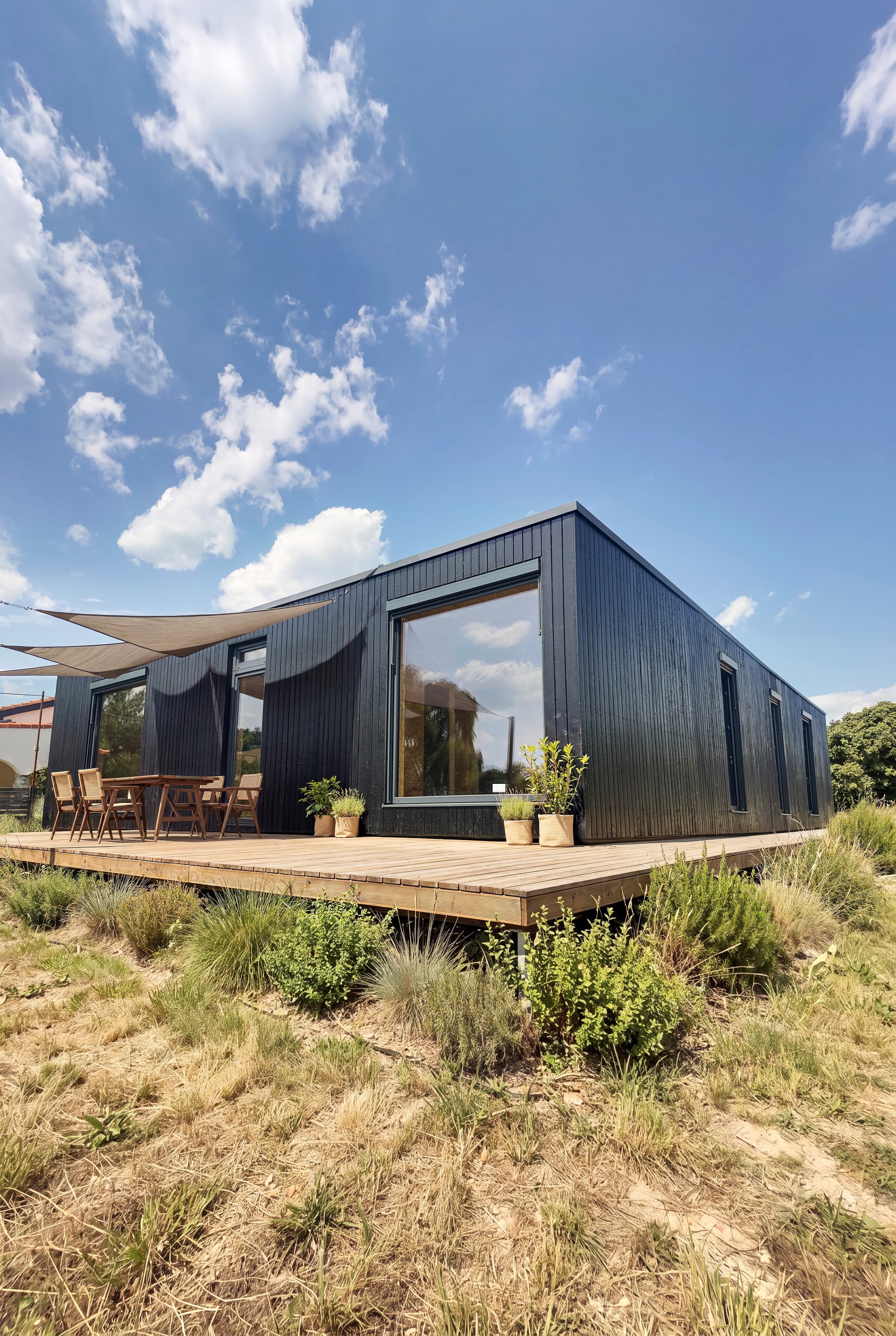
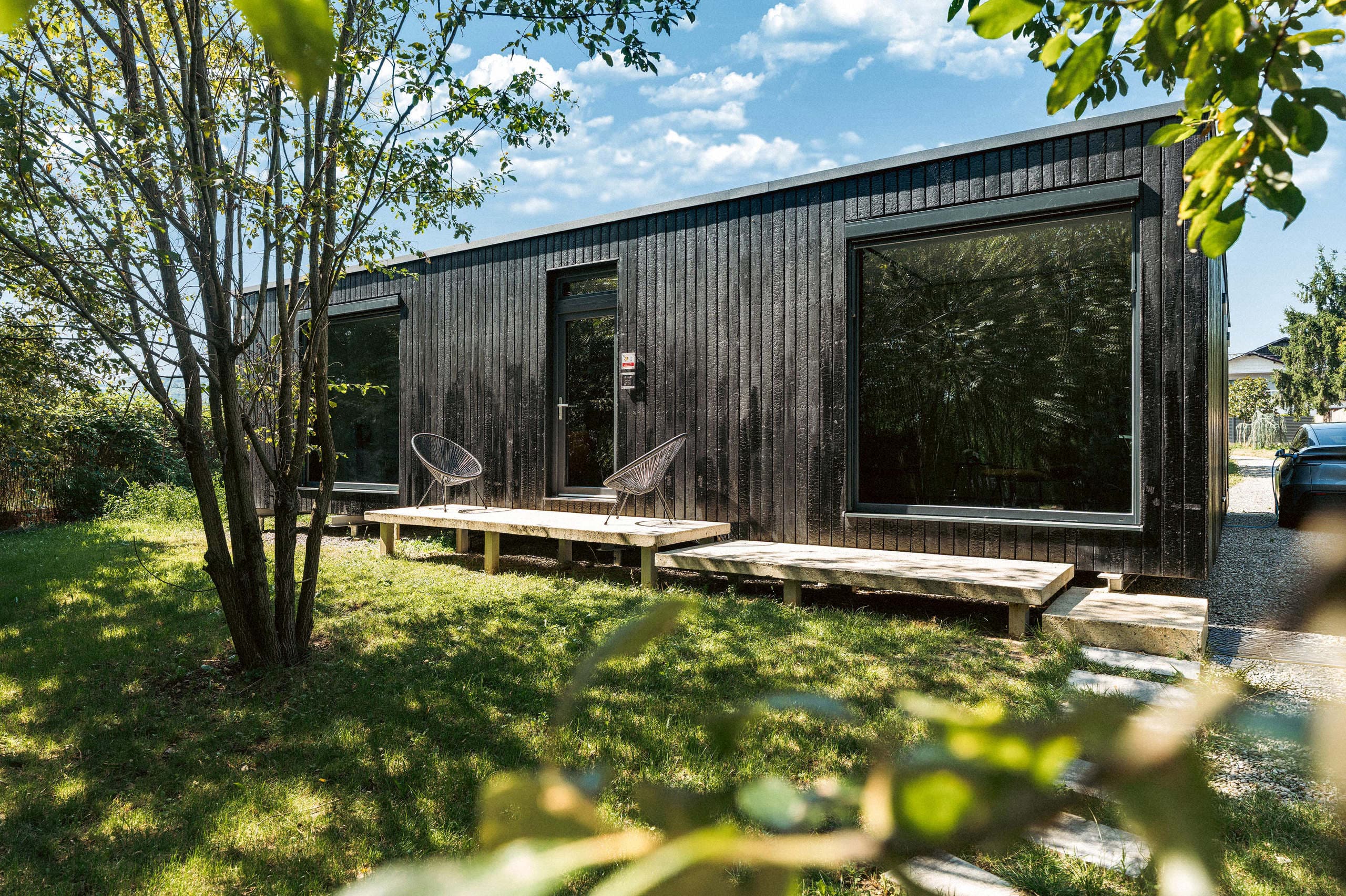
BioBuilds' Irish prices include 23% Irish VAT and transport, and installation on prepared ground screws is included through BioBuilds' local partners; the crane and other site works are quoted for your site. Wanderlust starts at €105,000 in Exterior Finished, including 23% Irish VAT. Ask your solicitor to confirm your project meets every Help to Buy condition before you rely on the refund.
Plan the timing with your lender. BioBuilds' payment schedule is 10% to reserve your offer, 40% for materials, 40% for production and 10% at delivery, so 90% is due before delivery. A self-builder receives Help to Buy only after the first mortgage drawdown. Our guide to financing a modular home covers the stage payments, and the First Home Scheme guide explains the shared-equity support you can combine with it. Price your home in the configurator.