Development contributions are levies your council attaches to a planning permission to help pay for roads, water services, parks and community facilities. Each council sets its own rates in a section 48 scheme; Dublin City, for example, charges €122.85 per square metre for homes applied for from 1 July 2026. The temporary waiver only covered homes started by 31 December 2024, so budget for the levy on a new project.
When your planning permission arrives, it usually includes a condition to pay a development contribution. The amount depends on your council and the size of your home, and it is often due before you start building. This guide explains how the levies work, how to estimate yours, which exemptions apply to garden homes and what happened to the waiver.
What are development contributions?
Every planning authority adopts a development contribution scheme under section 48 of the Planning and Development Act 2000. The scheme sets the charges for new development, which fund public infrastructure such as roads, water services, parks, schools and community facilities. The council attaches the payment to your planning permission as a condition. Contributions are usually paid on commencement of construction or under a phased payment plan agreed with the council (Cork County Council).
Rates differ between councils. Some charge per square metre of floor area, others a fixed amount per home, and many offer a lower rate or exemptions for particular cases. Read your own council's current scheme before you budget.
How much will you pay?
Example: Dublin City Council's scheme for 2026 to 2029 charges €122.85 per square metre for residential development, for applications received on or after 1 July 2026 (Dublin City Council). A 100 m² home would pay €12,285. Councils that charge per home may use floor-area bands, so the amount can still depend on the size of your home.
Put the development contribution in your budget from the start. It is a planning condition, so you pay it before or during construction, not after you move in.
Are garden homes exempt?
New planning regulations that took effect on 27 July 2026 led Dublin City Council to update its scheme. It now exempts a detached auxiliary dwelling of between 32 m² and 45 m² behind the principal house, linked to its services, for applications lodged from that date. Check whether your own council has made similar changes. Whether a garden home needs planning permission at all is covered in our guide to the garden home exemption.
What happened to the development contribution waiver?
From 25 April 2023, the Government waived section 48 development contributions for permitted homes and refunded Uisce Éireann connection charges. After the extension in Circular PL 02/2024, the waiver covered homes that started on site by 31 December 2024 and are completed by 31 December 2026; the water refund ended on 30 September 2024 (South Dublin County Council).
- It covered permitted homes, including self-builds and one-off rural houses, that commenced from 25 April 2023 to 31 December 2024.
- Claims closed on 28 February 2025.
- Homes under the waiver must be completed by 31 December 2026, or the council invoices the contributions.
- As of 16.10.2026, no waiver applies to homes starting now.
What does this mean for a BioBuilds home?
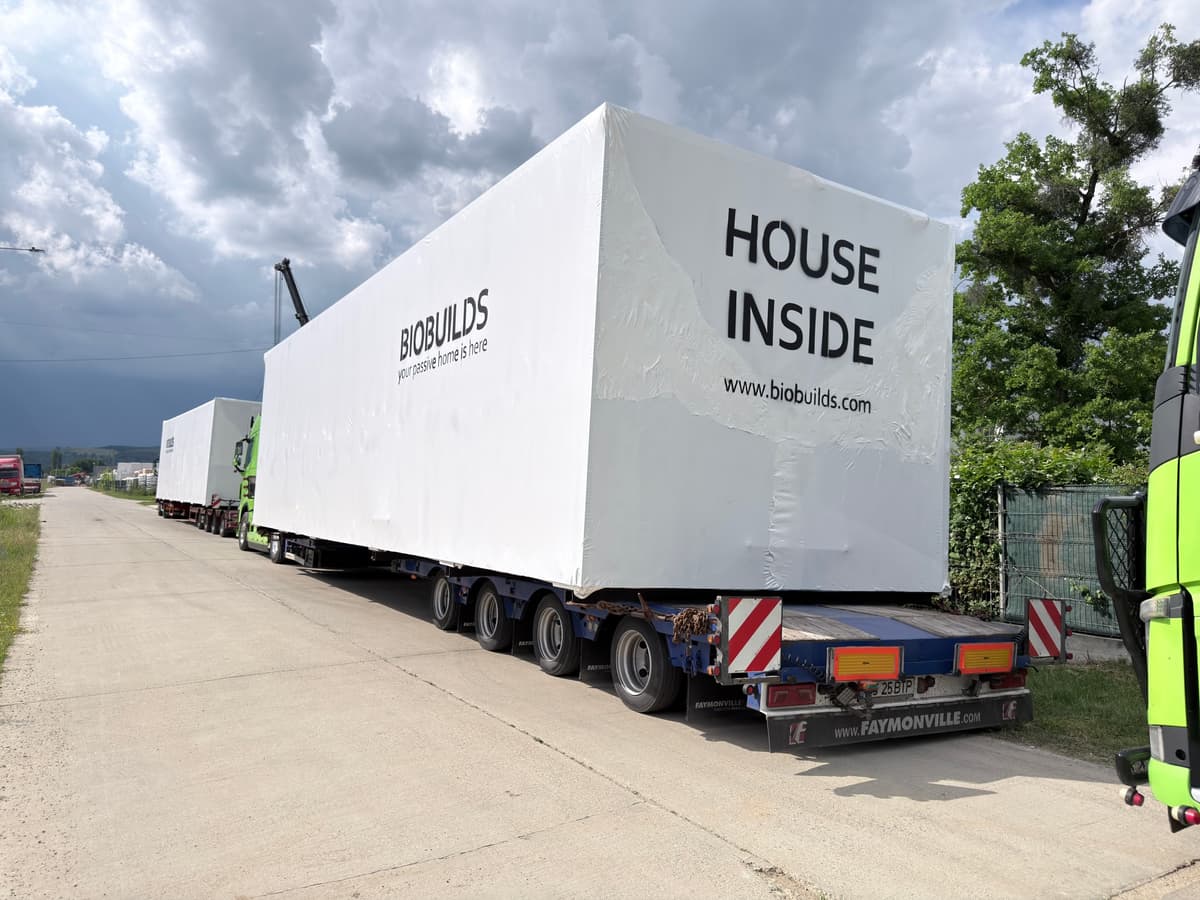
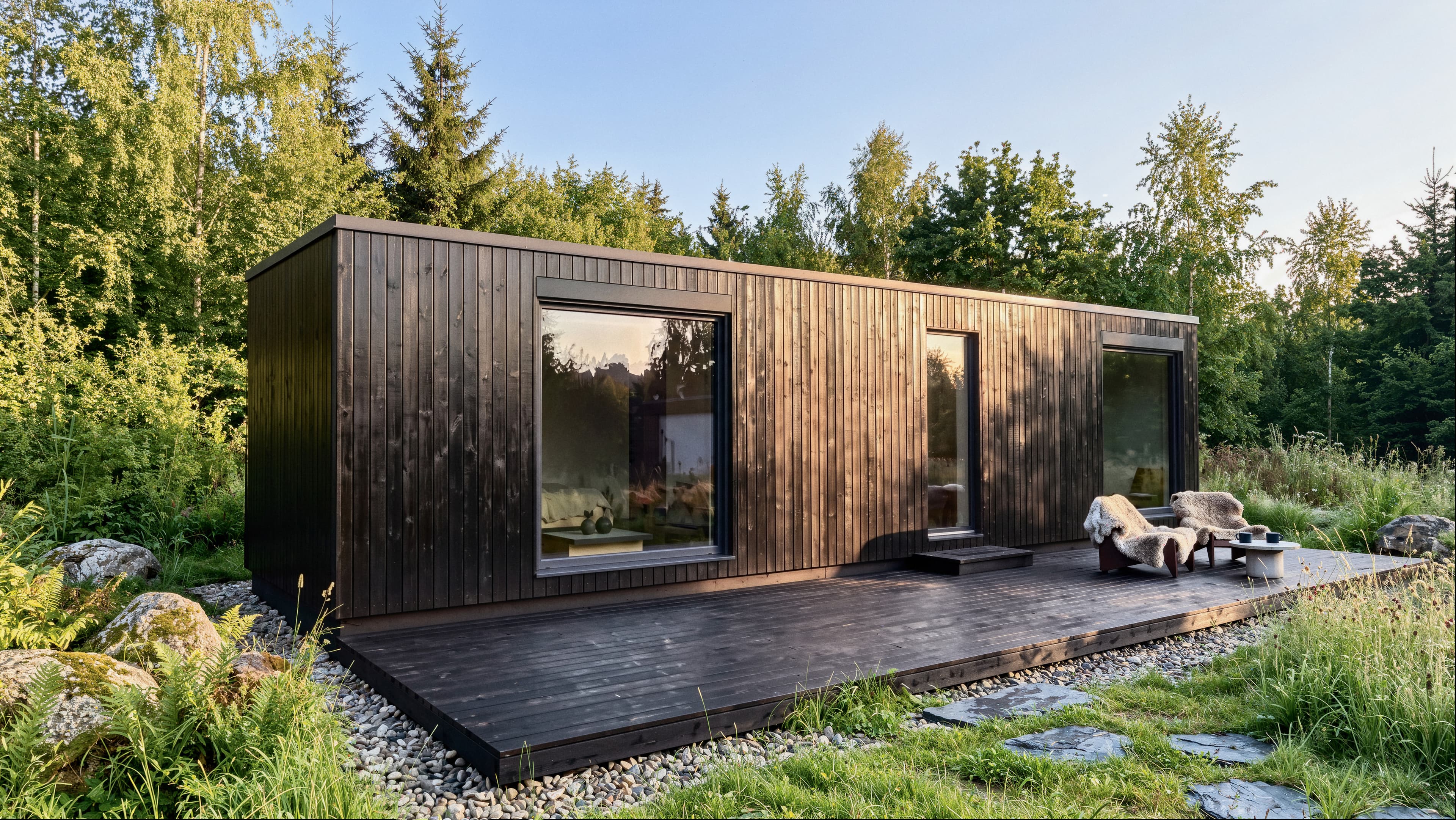
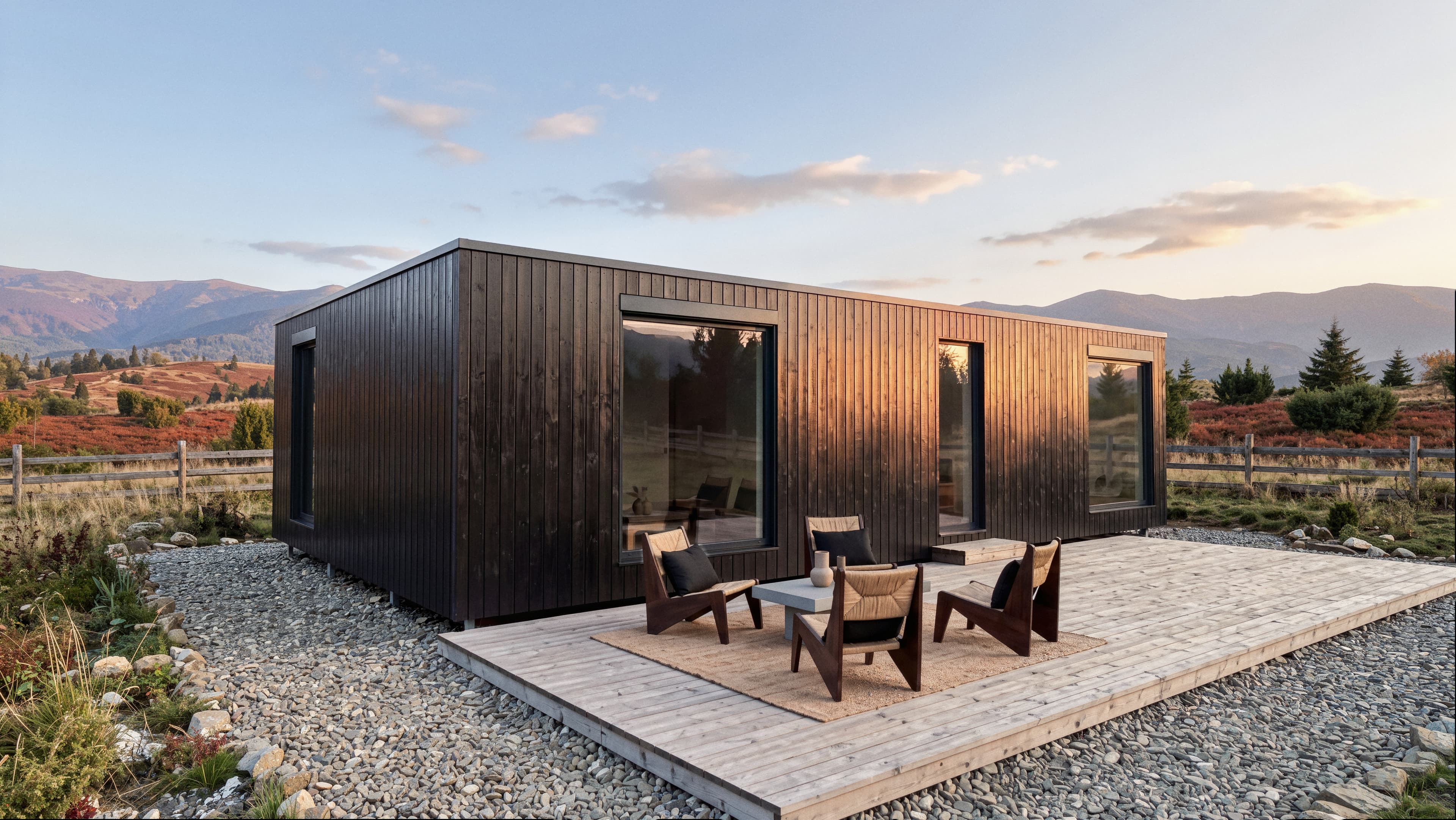
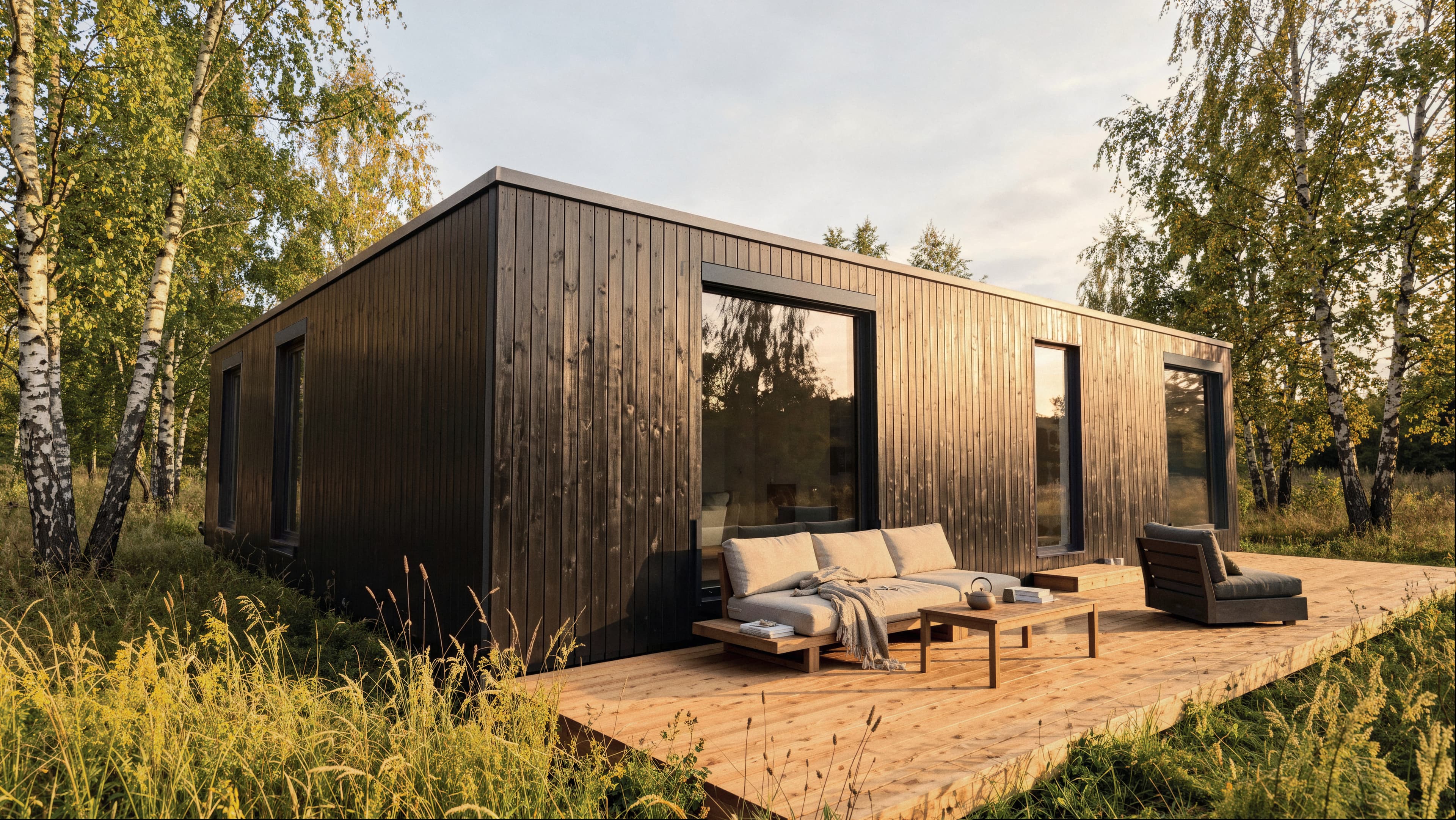
Development contributions sit outside the house price, like foundations, crane hire and connections. BioBuilds' Irish prices include 23% Irish VAT, transport and installation on prepared ground screws through BioBuilds' local partners; Wanderlust starts at €105,000 in Exterior Finished, including 23% Irish VAT. For the other costs of a new home, see modular homes in Ireland, and for the application itself, our planning permission guide. Price your home in the configurator.