If your site has no public sewer, your new home needs its own wastewater treatment system, such as a septic tank or a packaged treatment plant. A trained site assessor tests the ground under the EPA Code of Practice 2021, and the form goes in with your planning application. After installation, you need certificates for compliance and mortgage drawdowns, and you register the system with your council for €50.
Where there is no public sewer, a home treats its own wastewater. The ground decides which system will work and whether the site is suitable at all, so the assessment comes before the planning application, ideally before you buy the site. This guide explains the assessment, the system choices, the planning and building steps and your duties once the system is running.
What does the EPA Code of Practice require?
The EPA's Code of Practice for Domestic Waste Water Treatment Systems covers systems for up to 10 people. It was issued on 24 March 2021 and applies from 7 June 2021; the 2009 Code may still be used where planning permission was applied for, or the site assessment started, before that date. Systems must also meet Standard Recommendation S.R. 66 and the EN 12566 standards (EPA presentation).
How does the site assessment work?
Engage a suitably qualified person, who has passed the Water Services Training Group course on site suitability assessment, to assess the site and complete the site characterisation form (EPA leaflet for building a house). The assessment includes a trial hole and percolation tests, now called the subsurface and surface tests, and it checks the separation distances to wells, watercourses and buildings and the depth of unsaturated soil.
- Whether the ground can take treated wastewater at all.
- Which system suits it: a septic tank with a percolation area, or a secondary treatment system with a polishing filter or other infiltration area.
- Where the system and its infiltration area can go, given the separation distances.
- The design details your installer and engineer must follow.
Get the site assessed before you buy, or make the purchase conditional on it. The result can change the cost of the system, the house position on the site, or whether you can build there at all.
What happens at planning and during the build?
The site characterisation form goes in with your planning application. If permission is granted, it usually includes conditions on the treatment system and its infiltration area, which you must follow. During installation, your builder, the system supplier and your assessor or engineer oversee and certify the work. Those certificates show compliance with the Building Regulations and your planning permission, and lenders use them to release mortgage drawdowns.
For a garden home under the Class 3A exemption, the rules differ: no additional treatment system may be installed, and the main home's existing system must have enough capacity. See our guide to the garden home exemption.
What are your duties once the system is running?
Register the system with your local authority, online through Protect Our Water or at a council office; the fee is €50 under S.I. No. 220 of 2012. New systems must be registered within 90 days of connecting the home (S.I. No. 180 of 2013). Maintain it as the supplier instructs and keep the records. Use a permitted waste collector for desludging and retain the receipts for five years. A well-installed, well-maintained system protects your own water supply and your neighbours'.
What does this mean for a BioBuilds home?
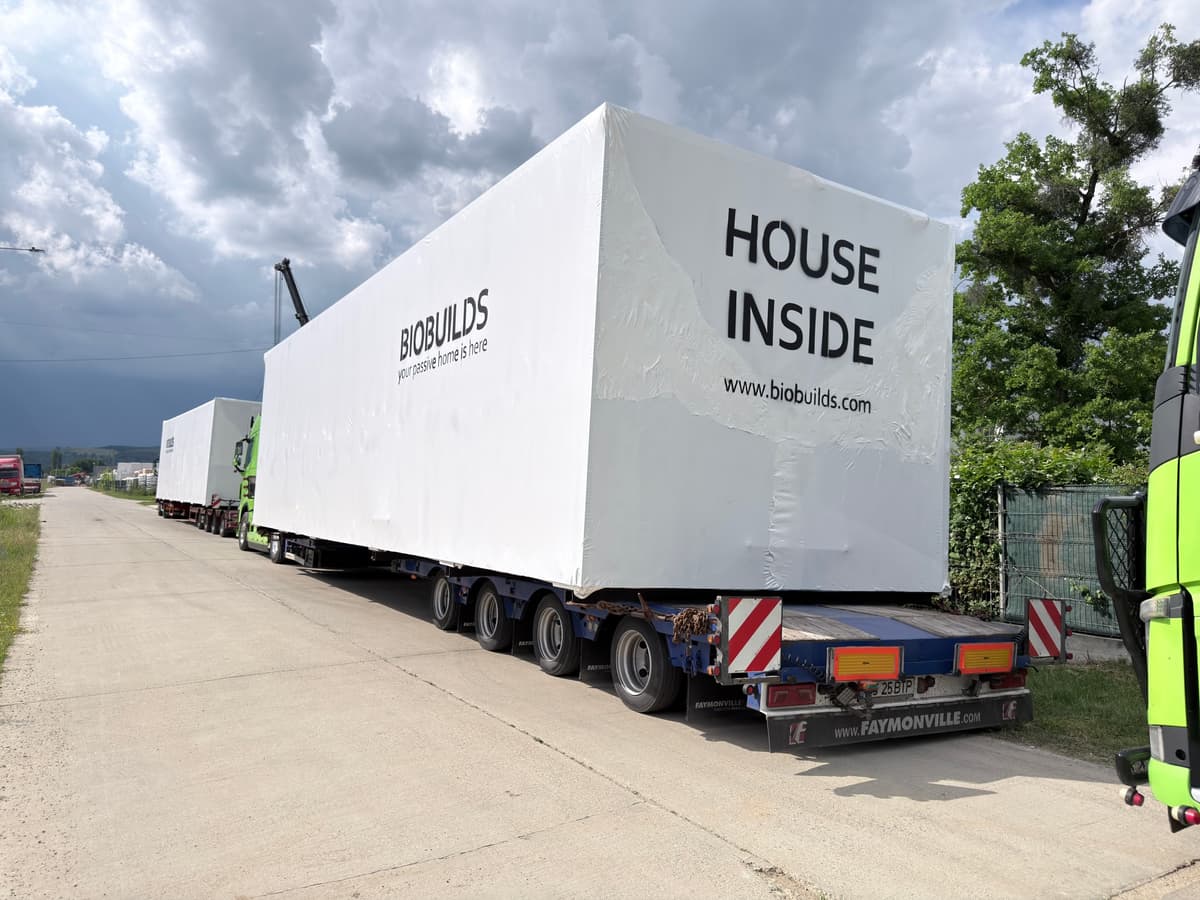
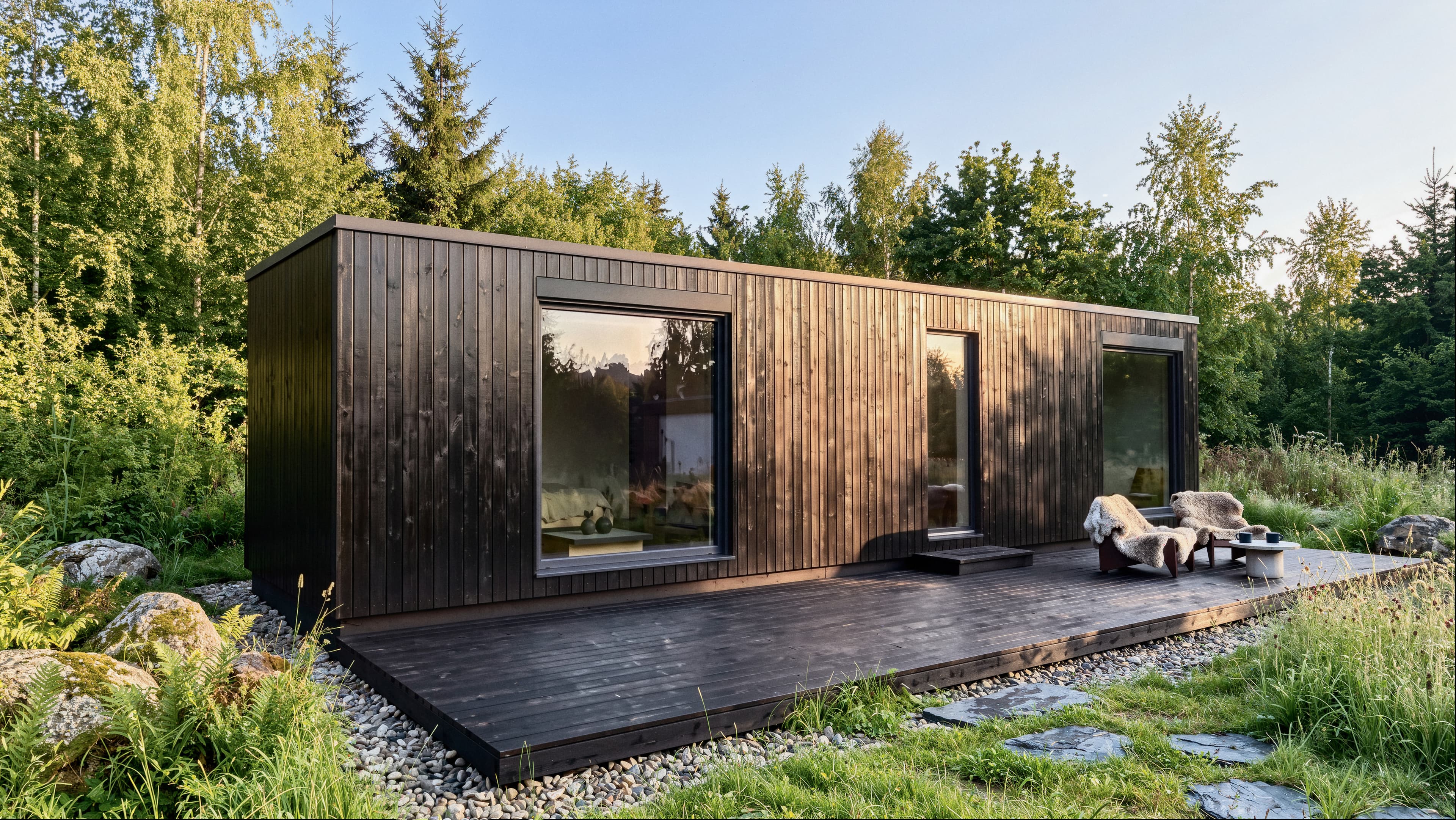
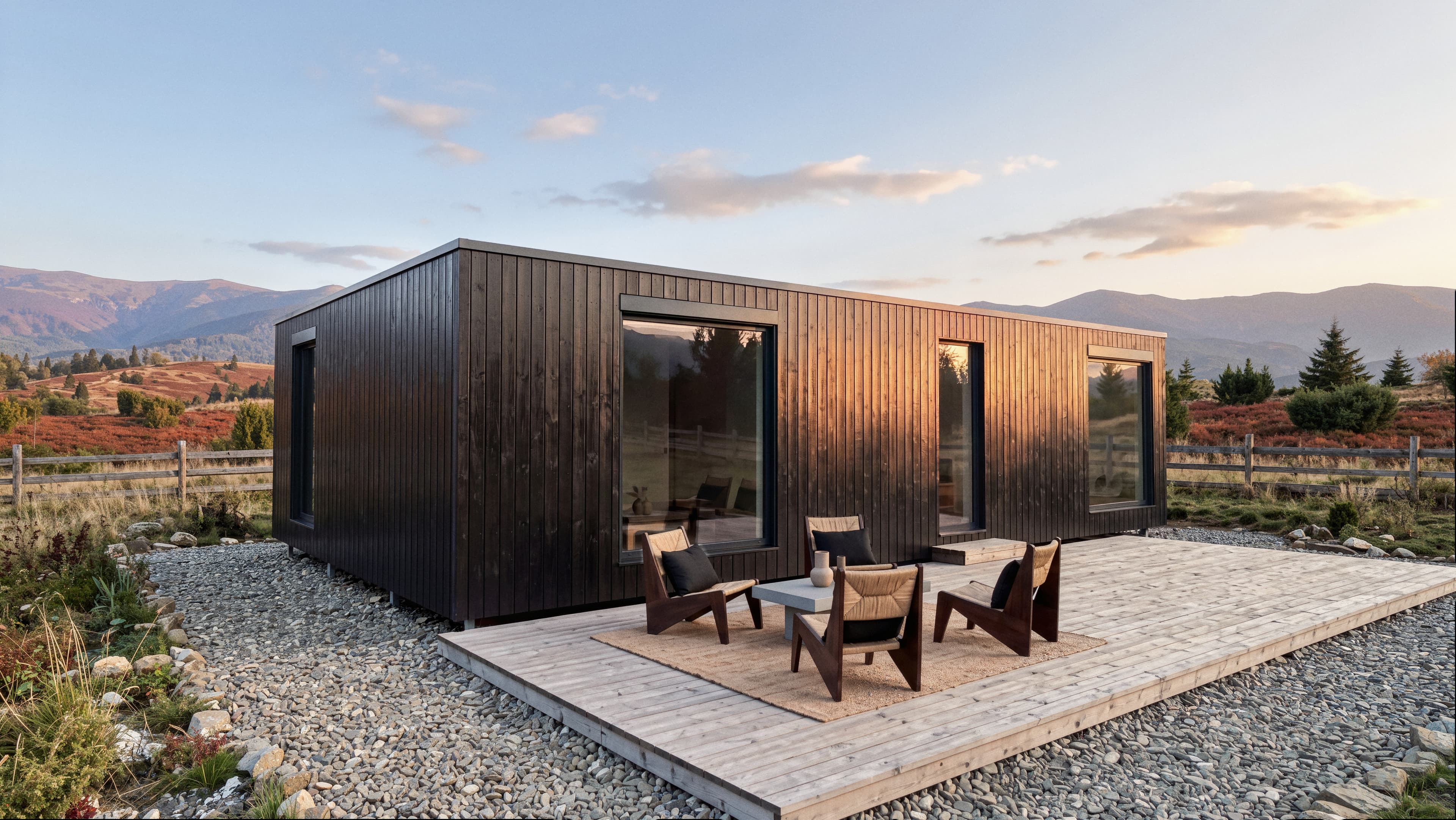
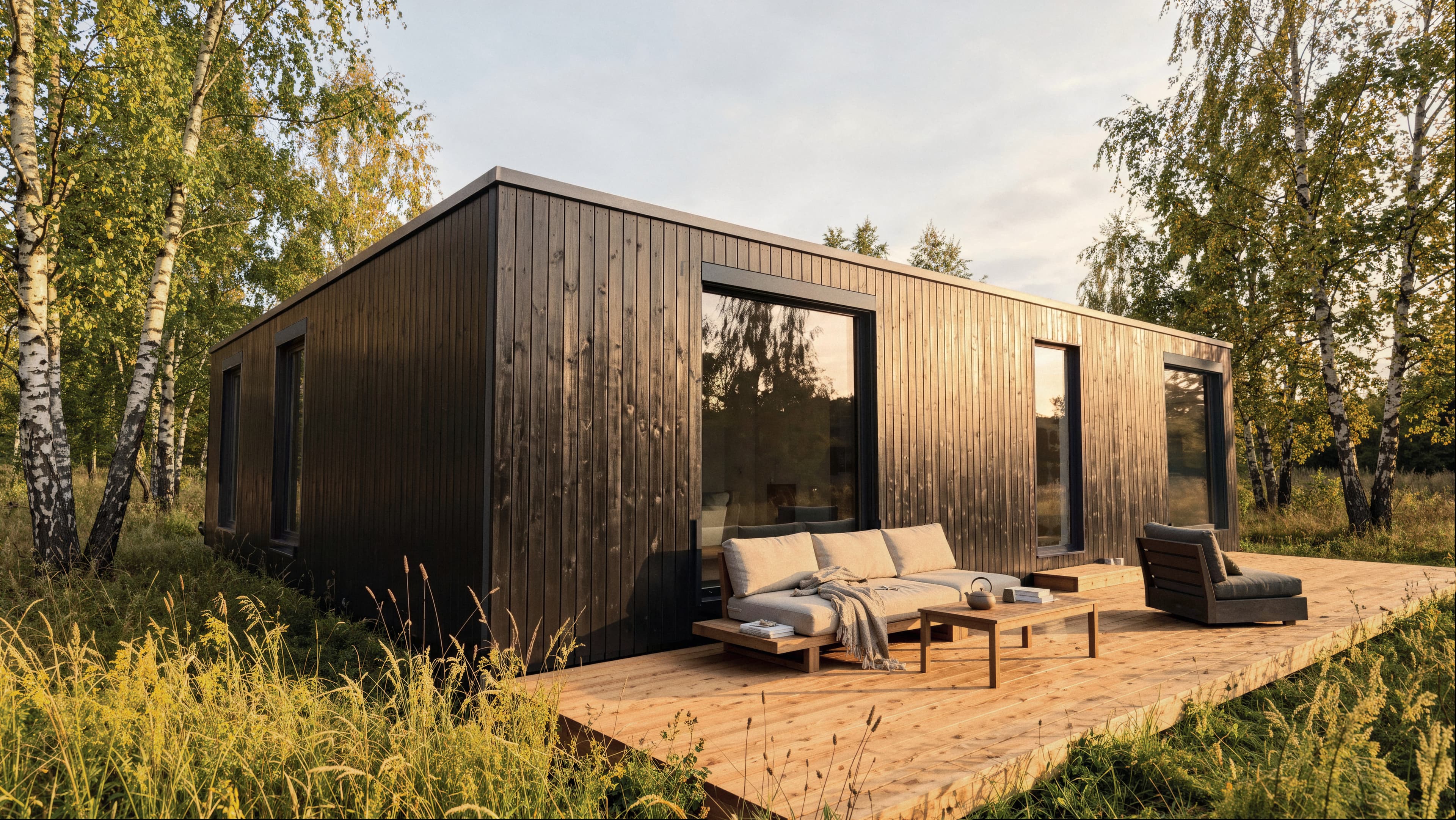
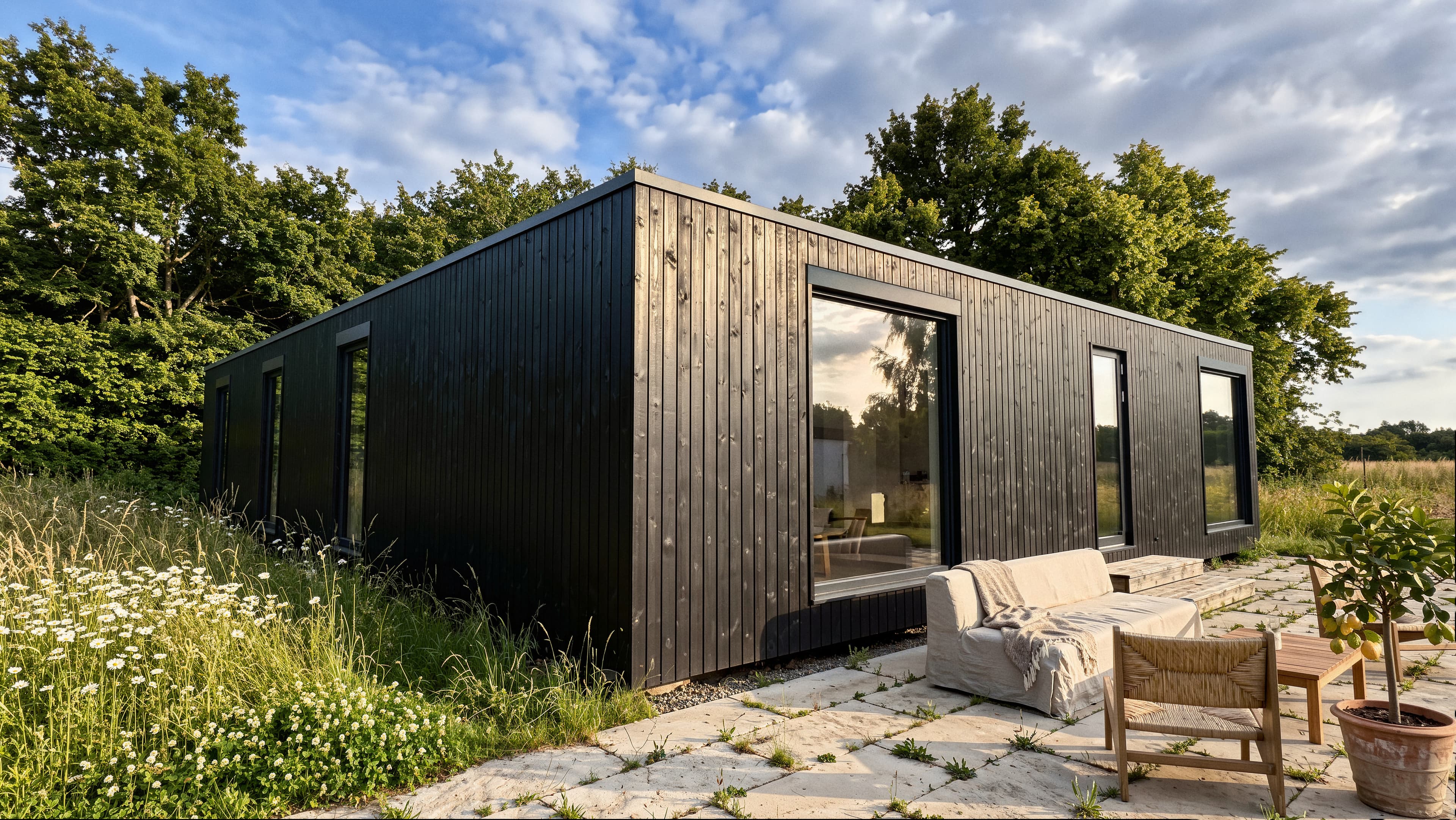
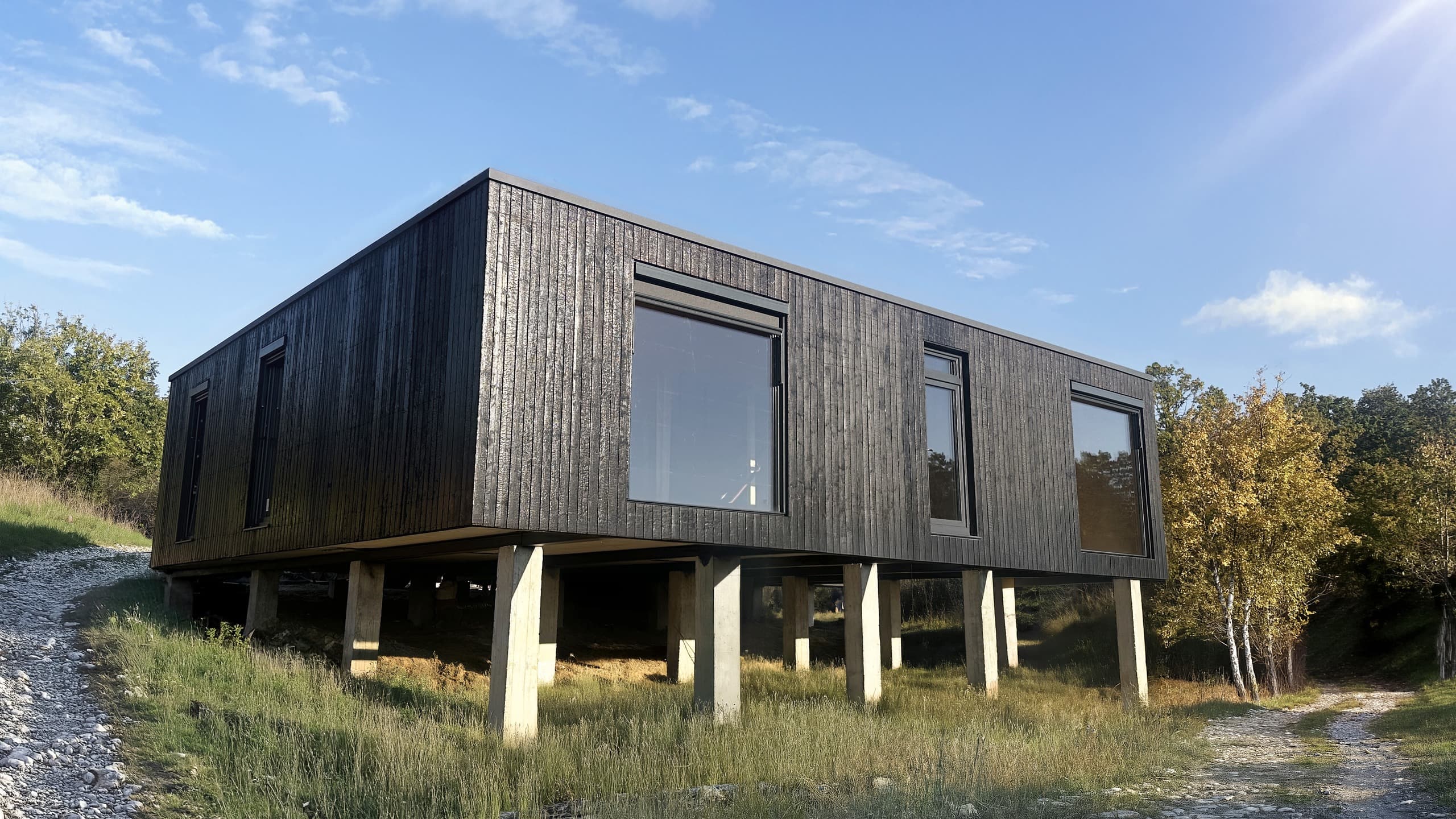
A BioBuilds home connects to a treatment system like any other house, through the drainage your installer runs from the home to the tank. The system, its infiltration area and the assessment are site costs outside the house price, along with foundations, crane hire and other connections. BioBuilds' Irish prices include 23% Irish VAT, transport and installation on prepared ground screws through BioBuilds' local partners; Wanderlust starts at €105,000 in Exterior Finished, including 23% Irish VAT.
If you are still choosing land, our guide to buying a site covers the other checks, and modular homes in Ireland sets out the full budget. Price your home in the configurator.