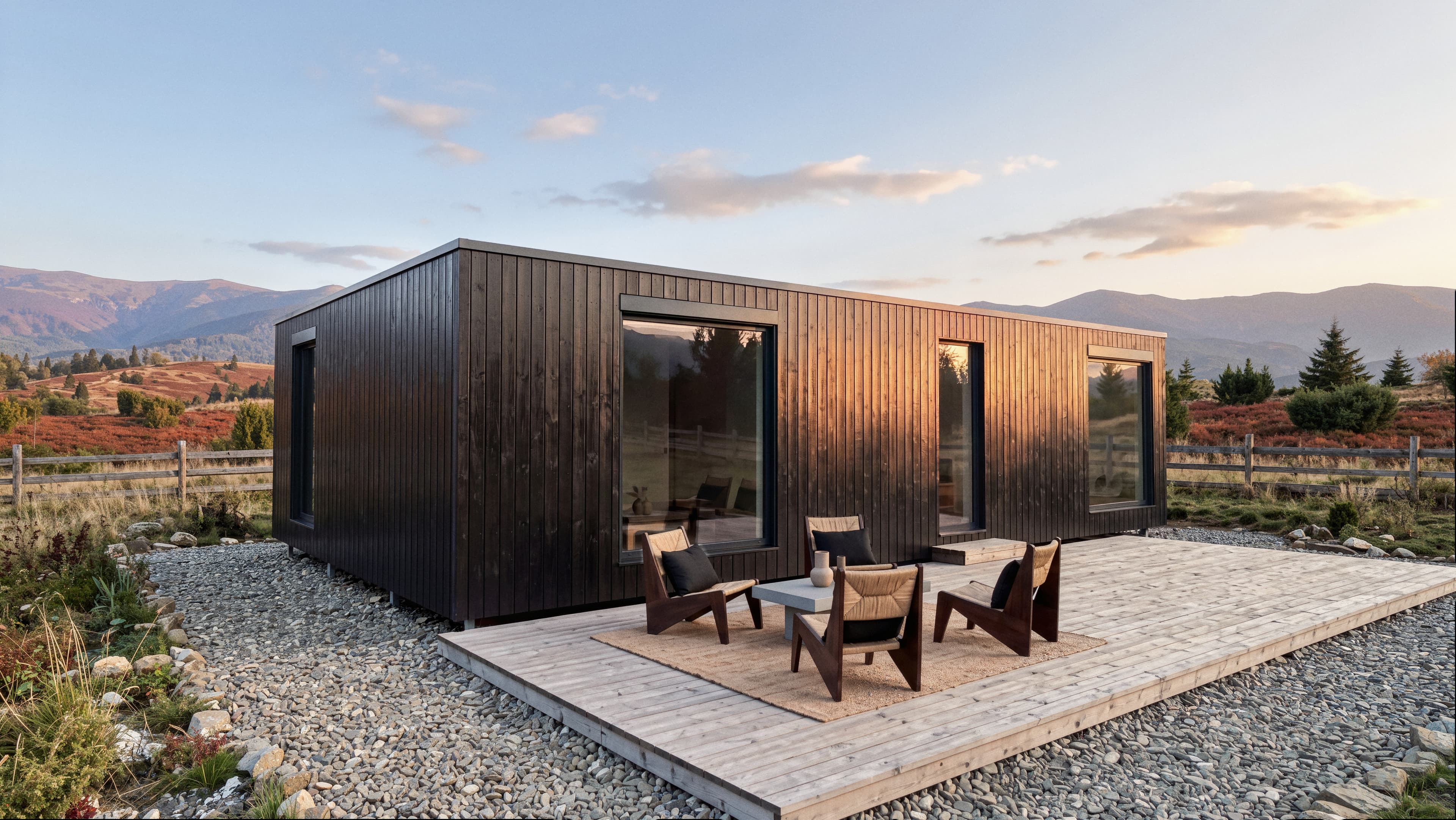
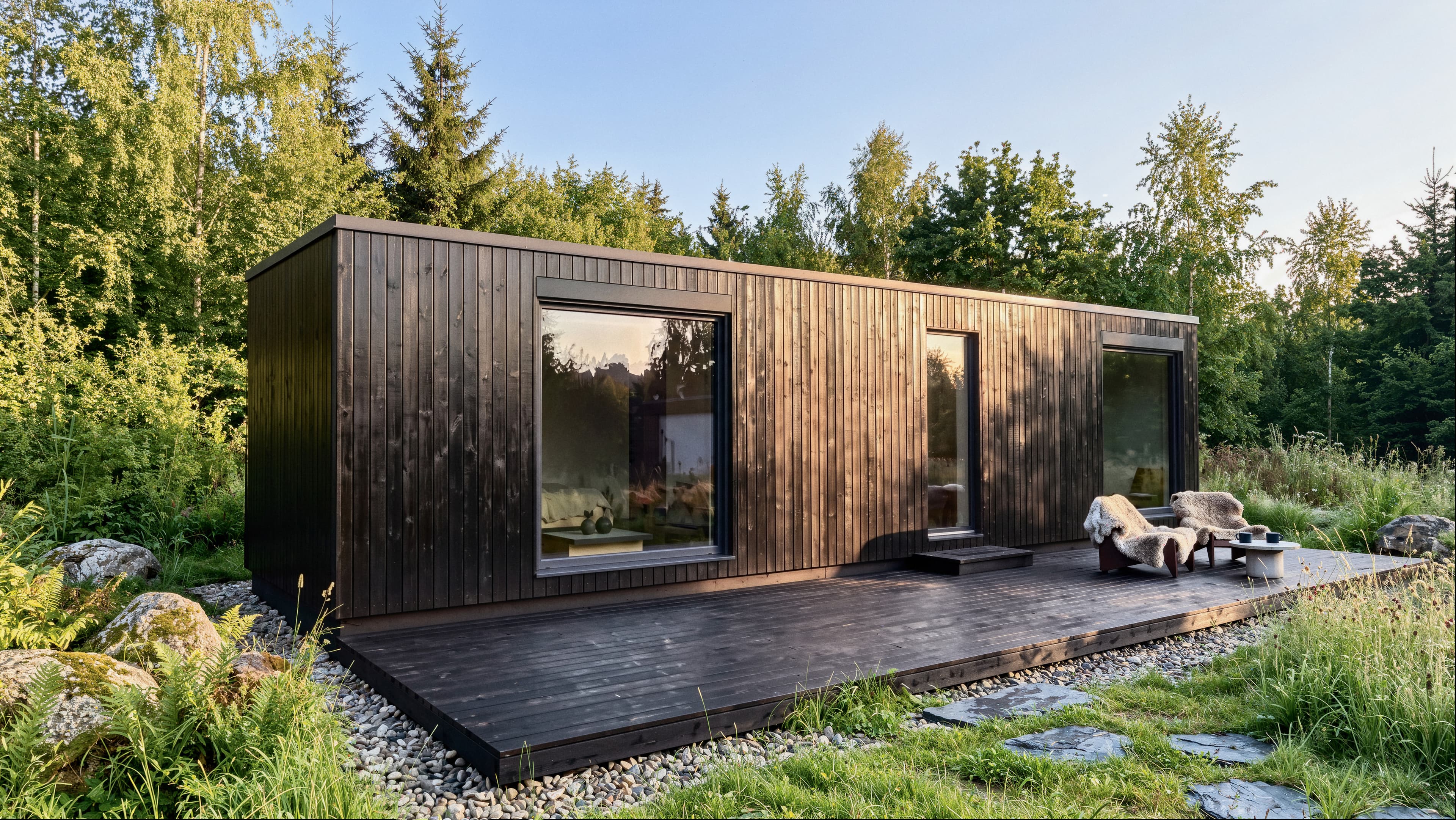
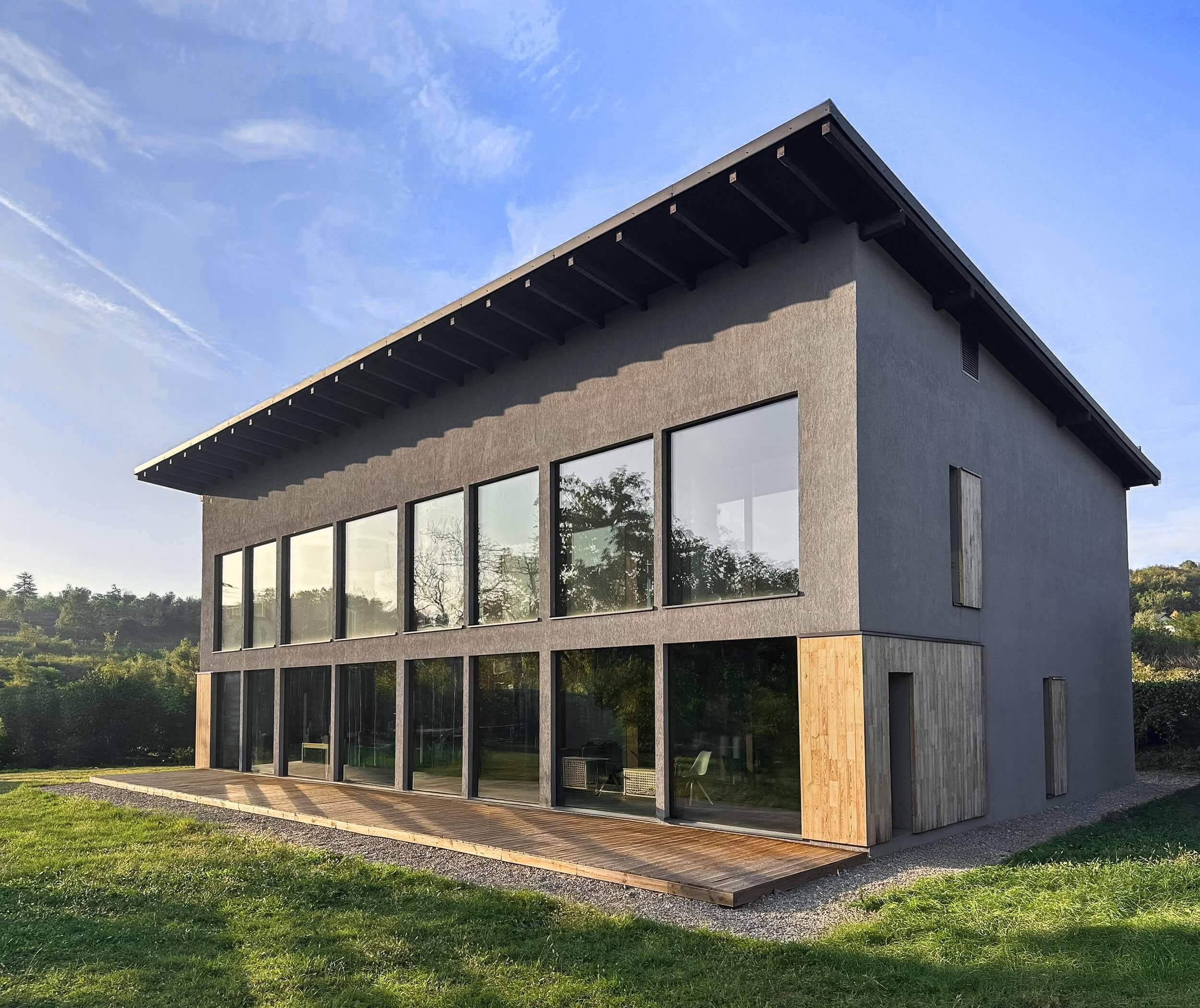
Historical Passive House Institute monitoring found roughly 80% lower heating consumption in Passive House developments than in the low-energy development used for comparison. Euro savings depend on energy prices, equipment and use. Here is how to assess them for a BioBuilds home.
Why Passive House can reduce energy use
Passivhaus certification checks energy calculations and construction evidence, including airtightness testing. Monitoring actual consumption is a separate check. Passive House Institute.
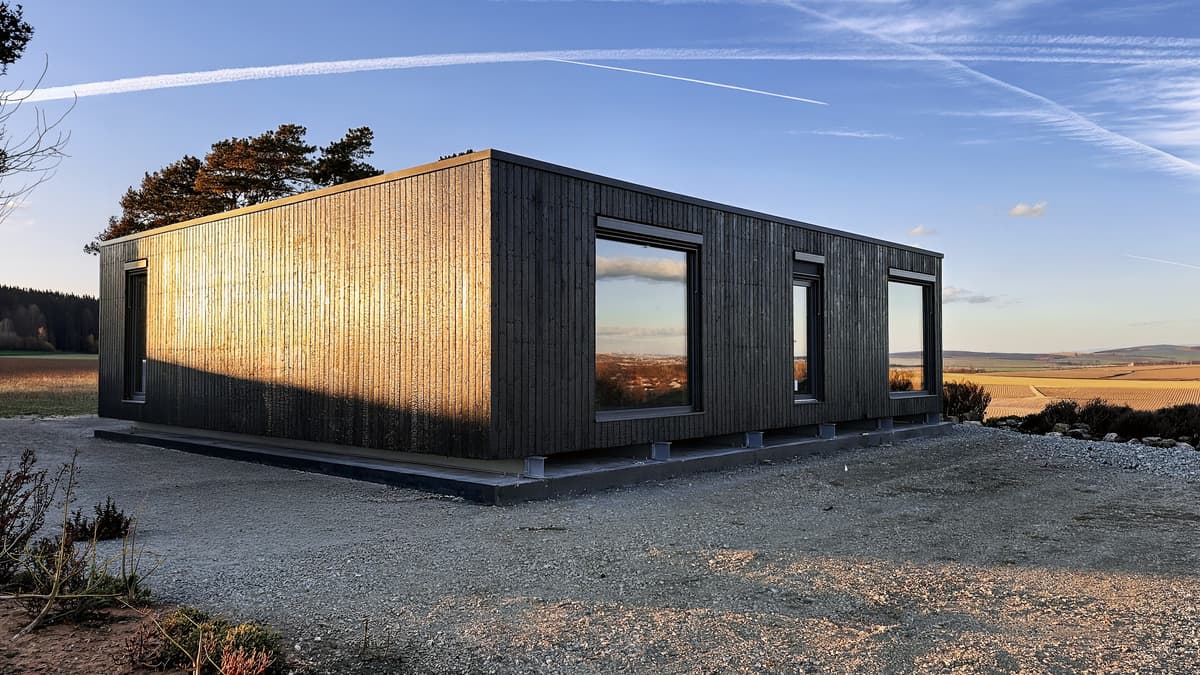
The house: 95m² Serenity
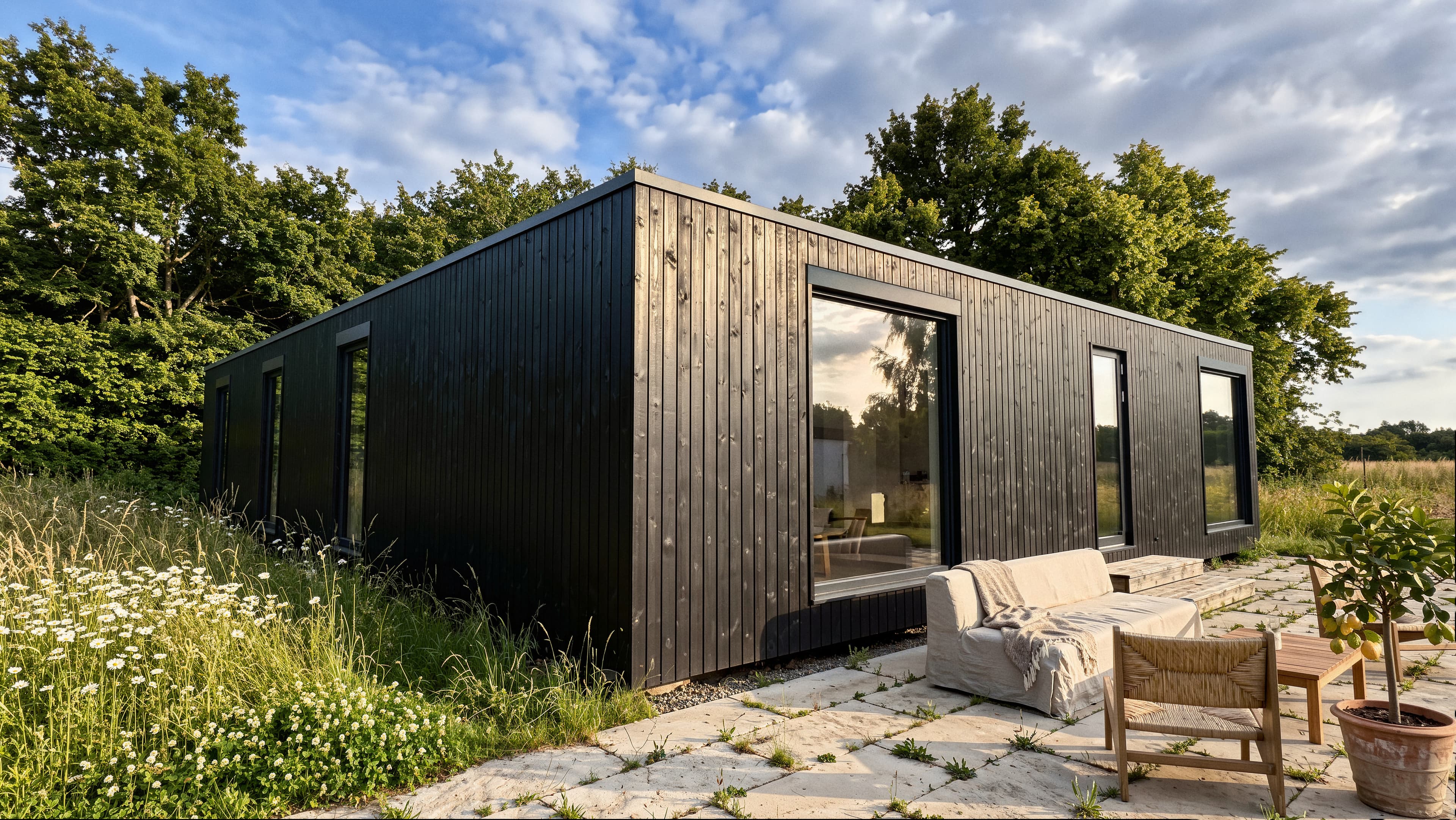
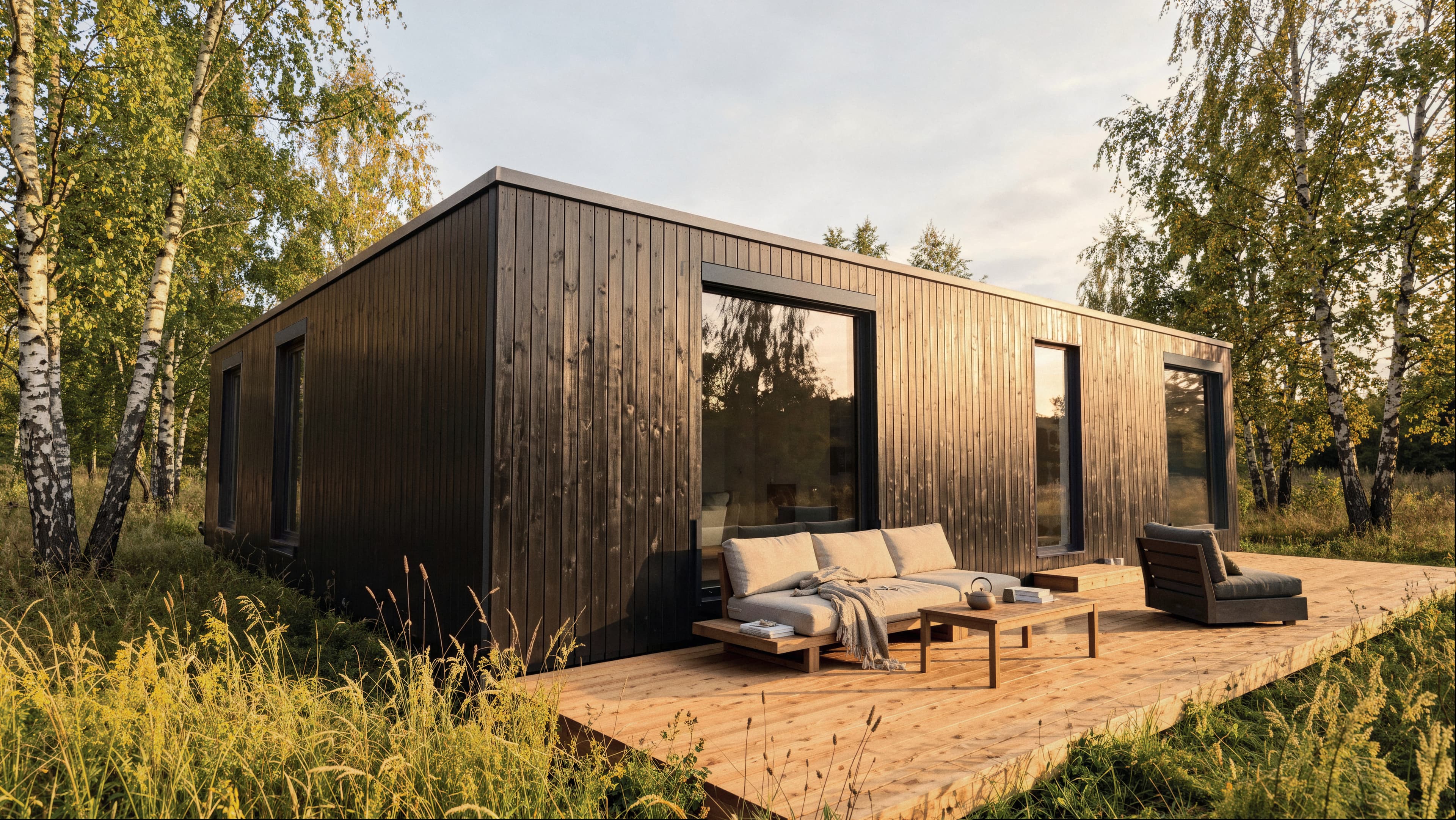
BioBuilds Serenity has 95.56 m² of exterior area. Its three-bedroom layout has 77.06 m² of usable interior area. BioBuilds states approximately three weeks of factory production for standard models; the full project schedule is confirmed in the individual contract.
BioBuilds uses a Passivhaus-certified building system. Passivhaus Classic criteria include heating demand ≤15 kWh/m² annually or heating load ≤10 W/m², airtightness n50 ≤0.6 h⁻¹ at 50 Pa, and renewable primary energy demand (PER) ≤60 kWh/m² annually. Project performance depends on the site and configuration.
Current BioBuilds Serenity Turnkey specifications list Zehnder ComfoAir Q450 with ComfoClime Q and an additional Samsung WindFree or Panasonic heat pump. Zehnder states heat recovery of up to 96% for ComfoAir Q. BioBuilds' current material data lists 240 mm of wood-fibre insulation.
Where the energy actually goes
This is where Passive House data gets interesting. Eurostat reports that space heating accounted for 62.5% of EU household final energy consumption in 2023.
When space-heating demand falls, hot water and appliances can account for a larger share of the bill. Their share depends on the occupants and equipment.
For a heat pump, estimate annual heating electricity by dividing the annual heat demand by the applicable seasonal performance factor. Multiply the electricity consumption by the tariff to estimate the variable heating cost. Hot water, appliances, ventilation and fixed charges need separate allowances.
Low heating demand reduces the amount of energy you need to buy for warmth. Your bill still depends on the weather, indoor temperature, equipment, other household uses and energy prices.
What changes from year to year
Romania's energy prices have been volatile. Its electricity price-cap scheme ended on 01.07.2025. The change in an individual bill depends on the supply contract and consumption. ANRE.
Romania experienced a heatwave in July 2025. ANM. When comparing annual bills, separate changes in tariffs from changes in consumption, weather and occupancy.
Compared to conventional homes
A 2018 BPIE/iBRoad factsheet reports average Romanian residential energy consumption of 308 kWh/m². Multiplying by 95 m² gives 29,260 kWh. This historical stock benchmark does not establish a comparable new home's bill.
A 2016 Timișoara study modelled a 13-year payback for the additional investment under its cost assumptions. That is a project-specific result, not a BioBuilds payback promise.
For a useful euro comparison, calculate each home's purchased energy by fuel and apply the relevant tariffs. Include hot water, household electricity and fixed charges on both sides.
Romania introduced new household gas-pricing measures for 01.04.2026–31.03.2027 under OUG 12/2026, as amended. Use the final billed gas price under the applicable rules when comparing heating costs.
What living in it actually feels like
Numbers are useful, but they don't capture what it's actually like to live in a Passive House.
Temperature consistency
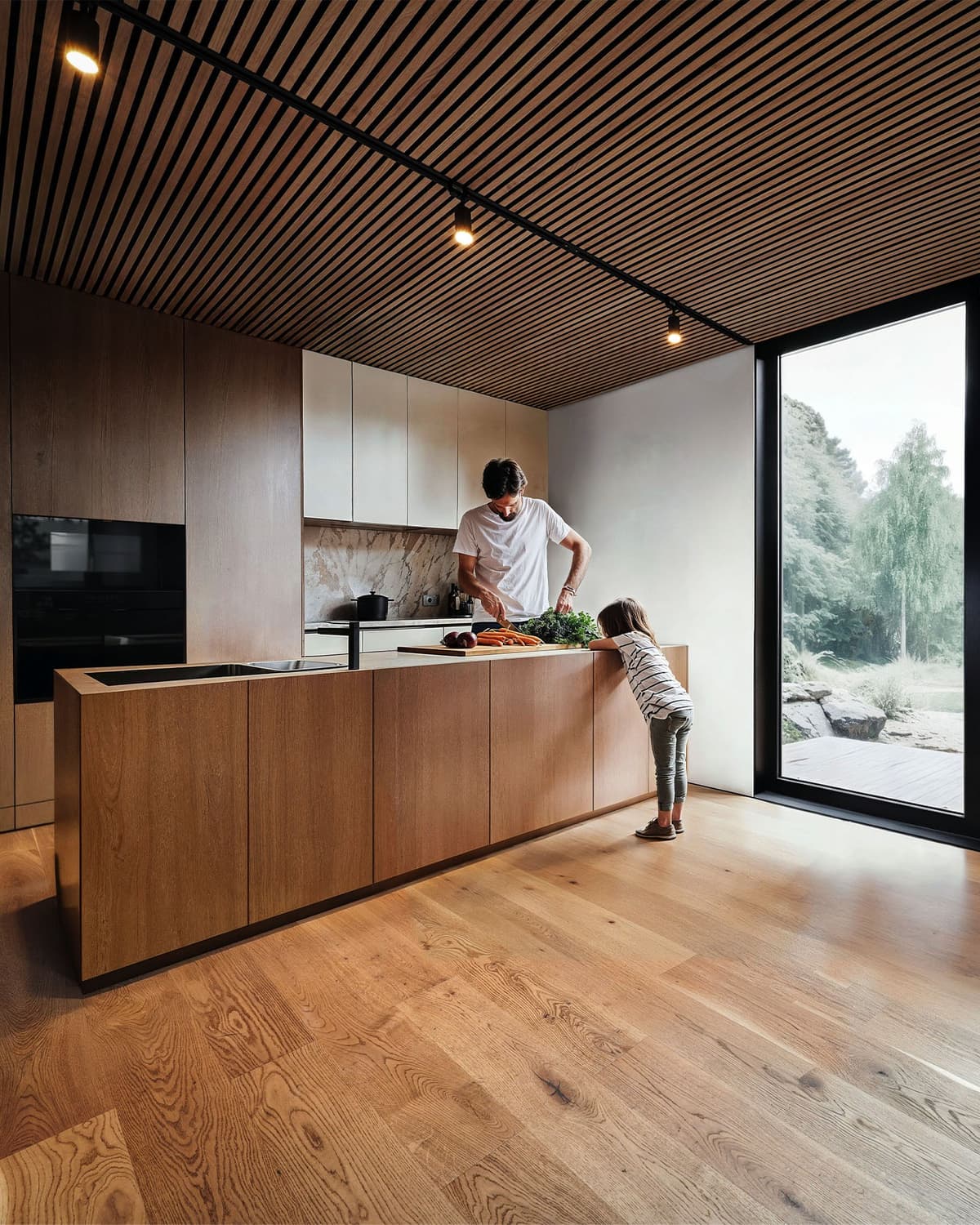
Insulation and airtight construction reduce heat loss and help keep interior surfaces warm. Summer comfort also depends on shading, ventilation and any cooling required by the site and design.
Air quality
Mechanical ventilation supplies filtered outdoor air and extracts stale indoor air. The selected filters, airflow and maintenance affect filtration performance; humidity control depends on the equipment configuration.
Silence
Sound insulation depends on the complete wall and window assembly and its installation. Ventilation noise depends on the unit, airflow and duct design.
The long-term financial benefit depends on the energy saved, future tariffs and maintenance costs. Use the project's energy calculation for the estimate, then compare it with bills after move-in.