Yes, the Passivhaus principles work in hot climates, but the design priorities shift from keeping heat in to keeping it out. The same insulation and airtightness that cut winter heating also slow summer heat gain; shading, controlled ventilation, night cooling and a small, efficient cooling system do the rest. The Passive House Institute sets limits for cooling demand and overheating as well as heating. A system certified for cool-temperate climates needs a project-specific check for a hot one.
"Passive house" sounds like a northern idea: thick insulation, triple glazing and almost no heating. In southern Europe, the larger energy problem is often summer cooling. The good news is that the same physics works in both directions. This guide explains how a passive house stays cool, which design decisions matter most in the south, what the Passivhaus criteria say about cooling, and what to check before you build.
How does a passive house stay cool?
The envelope works like a thermos in both seasons. Insulation and airtightness slow the flow of heat through walls, roof and floor, whether it flows out in winter or in during summer. The difference in hot climates is that heat also arrives through windows as sunlight and is produced inside by people and appliances. So the cooling strategy has five parts:
- Shade the glass: external blinds, shutters and overhangs stop sunlight before it heats the room.
- Insulate and seal: slow the heat flow through the envelope and keep hot outside air out by day.
- Ventilate smartly: use the heat recovery bypass or night ventilation when outdoor air is cool and dry enough.
- Keep internal gains low: efficient appliances and lighting add less heat.
- Cool efficiently: a small heat pump covers the remaining load and can dehumidify in humid climates.
What do the Passivhaus criteria say about cooling?
The Passive House Institute's criteria cover cooling as well as heating. Annual cooling and dehumidification demand is limited to 15 kWh per m² of treated floor area, plus a variable allowance for climate, required ventilation, and internal heat and moisture loads. Without active cooling, temperatures may exceed 25 °C for no more than 10% of annual hours; with active cooling, the system must be adequately sized. The Passive House Planning Package (PHPP) checks the specific design and climate, which is why a project in Seville is modeled with Seville's weather, not Frankfurt's.
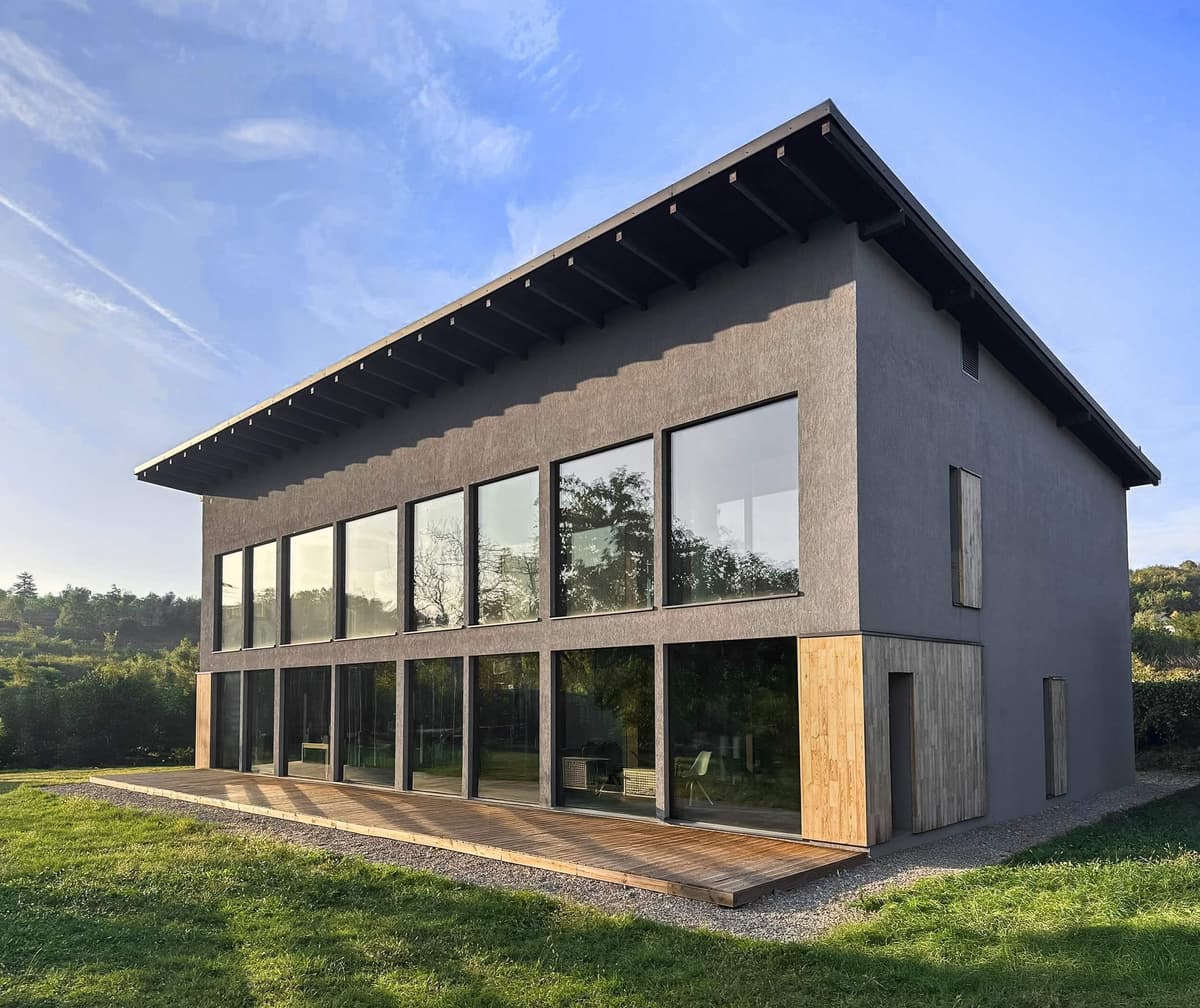
Start with shading. External shading on east-, west-, and south-facing windows reduces solar heat gain; the PHPP model shows how much cooling and dehumidification the home still needs.
What changes in the design for southern Europe?
- Window area and orientation: large south glazing is easy to shade with an overhang; east and west glass, hit by low morning and evening sun, needs external blinds.
- Light surfaces: light-colored roofs and facades absorb less solar heat.
- Night cooling: where nights are cool and dry enough, flushing the house overnight stores coolness in the structure for the day.
- Humidity: in humid coastal climates, dehumidification matters as much as temperature.
- Insulation level: the optimum may differ from a northern home; the PHPP model finds the balance for the site.
Can a BioBuilds home be built in a hot climate?
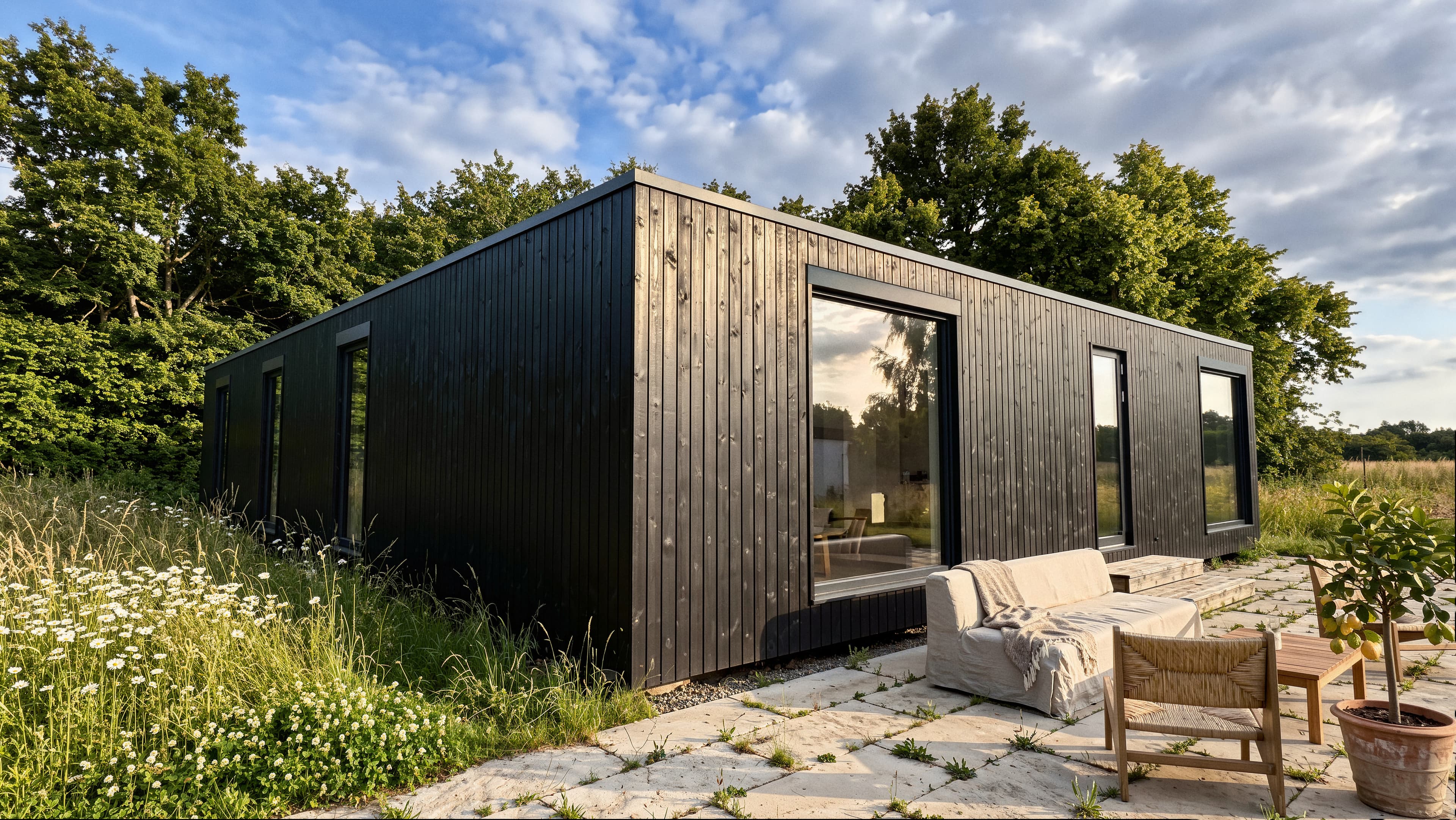
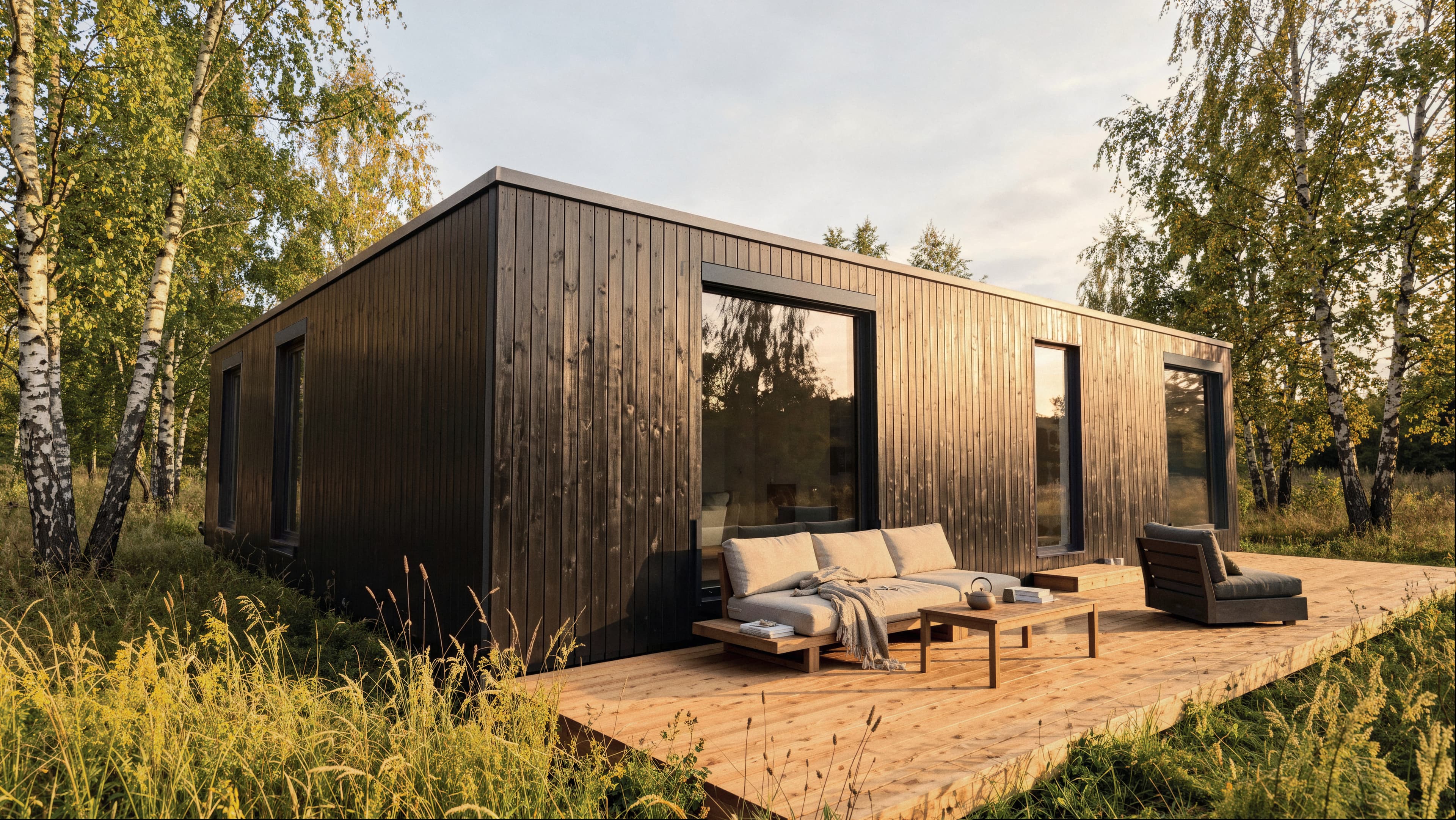
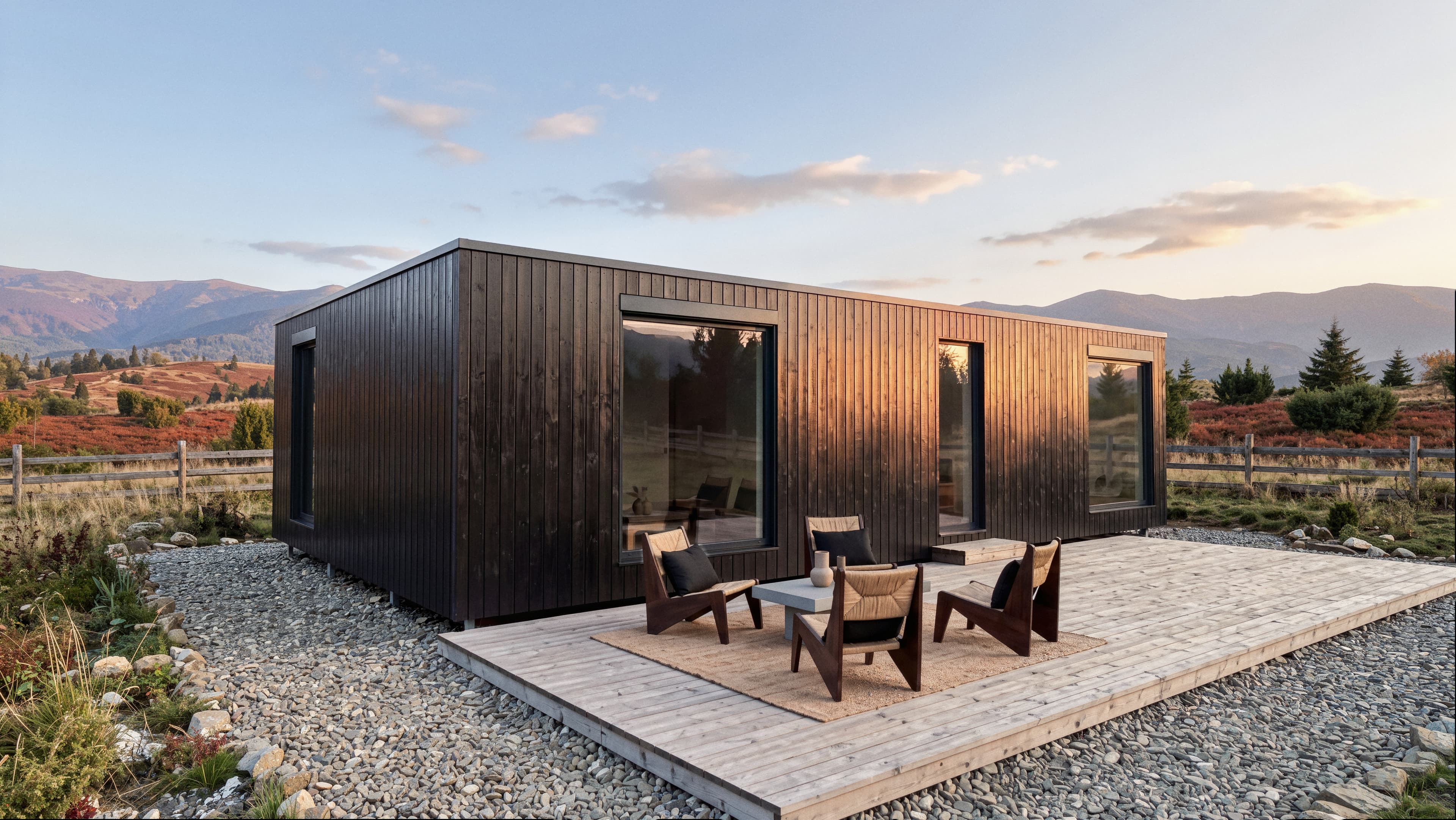
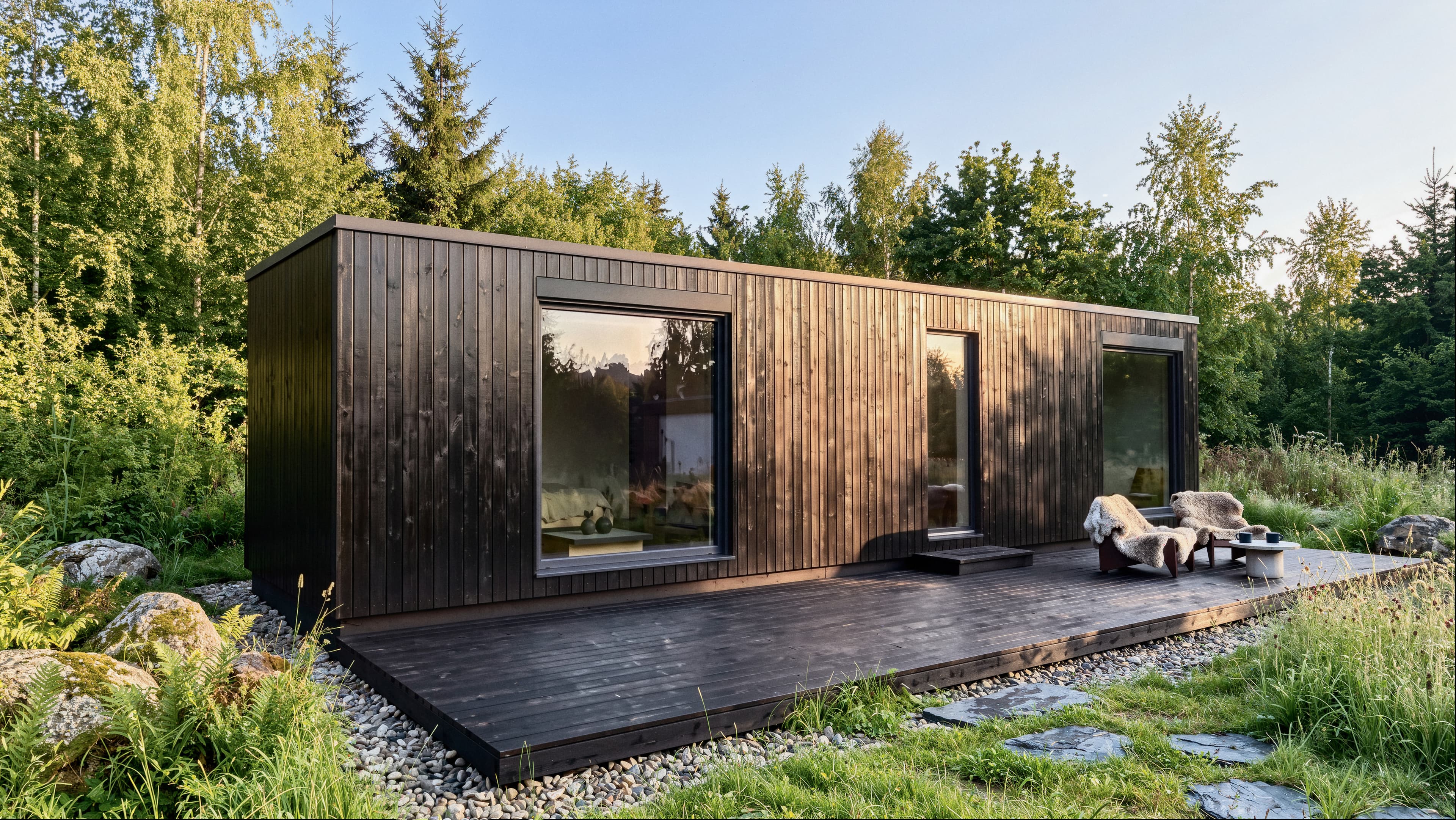
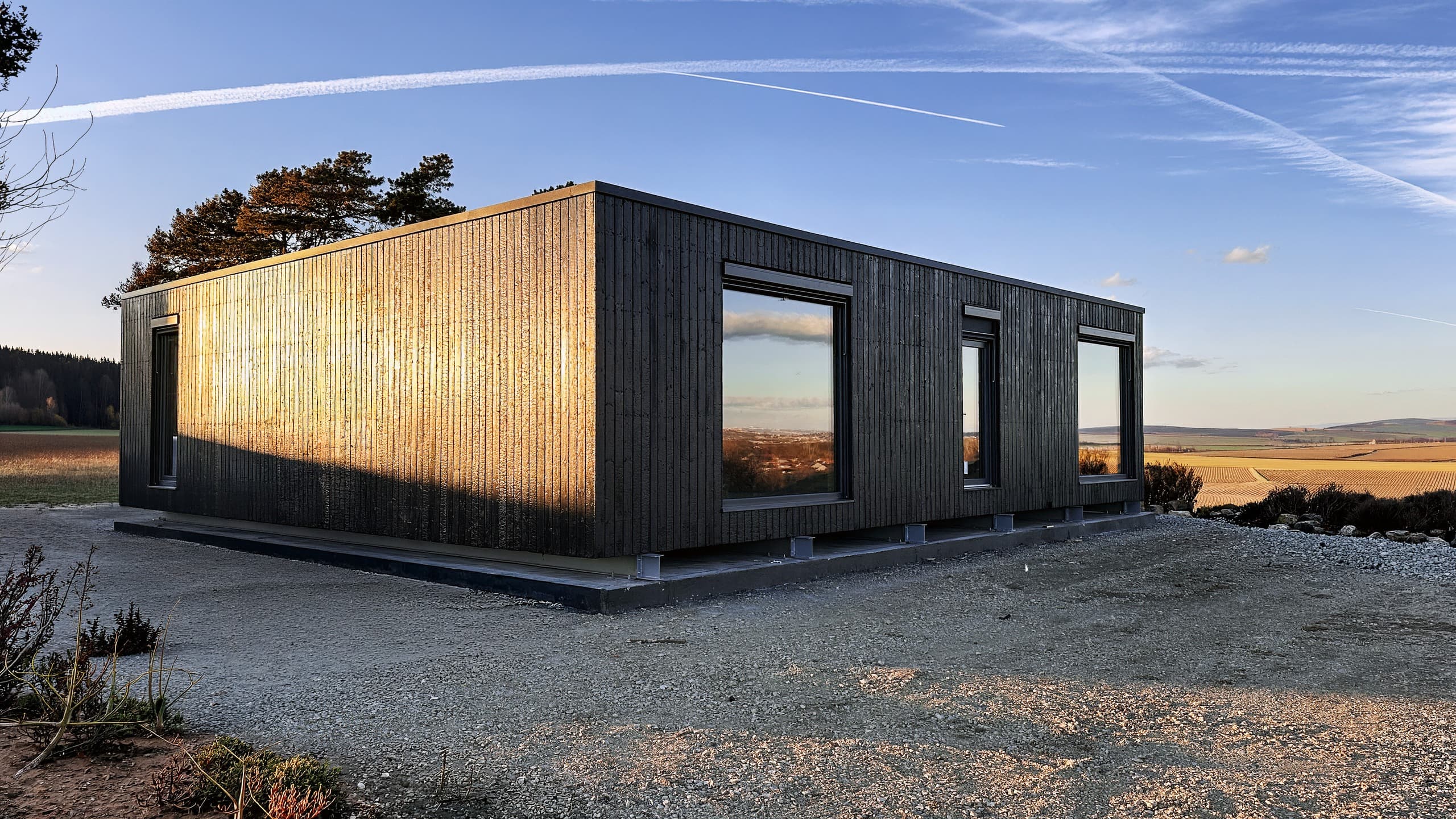
BioBuilds' MODULAR building system is a Passivhaus-certified component system for the cool-temperate climate zone. In a hot climate, the system's envelope still slows heat gain, and the home's performance must be checked for that climate and site with a project-specific calculation. In Mediterranean climates, supplementary cooling can be added to the ventilation system if needed, and in the Zehnder ComfoClime configuration the system provides active heating or cooling while regulating humidity. External smart blinds are part of the Turnkey finish.
The glass front of the Infinity upgrade reduces energy efficiency, and in some climates an Infinity home falls outside the Passivhaus standard; in a hot climate, the orientation and shading of that glass need particular care. For building a holiday home in the south, see our guide to prefab holiday homes in Spain, Italy and Greece. Prices start from €128,000 for Wanderlust 48 in Turnkey, including an illustrative 19% German VAT; to see a configuration, configure your home.