Every EU country rates homes on an energy performance certificate (EPC), usually on a letter scale, but each country measures something different: primary energy, final energy or heating demand, with its own thresholds. An A in Germany is not an A in Romania or an A0 in Ireland. The recast EU directive is aligning the scales so that A means a zero-emission building. Compare homes within one country's scale, and read the numbers behind the letter.
Energy classes look universal: a green A at the top, a red G at the bottom. In practice, each EU country runs its own certificate, calculation method and scale. That matters if you compare homes across borders, or if a manufacturer quotes a class without saying which certificate it comes from. This guide explains what the classes measure, how the main systems in Germany, Austria, Romania and Ireland differ, what the EU is changing, and how to read a certificate for a new home.
What does a home's energy class measure?
An energy performance certificate rates how much energy a building needs under standard conditions, per square meter of floor area and year. For new homes, it is calculated from the design and installed systems under standard conditions, independently of the occupants. Some existing homes can instead use a consumption-based certificate where national rules allow it. The letter class sits on a scale defined by the country, and the certificate also shows the underlying figures.
Countries differ in three ways: what they measure (primary energy, final energy delivered to the house, or the heating demand of the envelope), which floor area they use, and where they draw the class boundaries. That is why a letter means little without its country.
How do the national scales compare?
| Country | Certificate | Scale | Main indicator |
|---|---|---|---|
| Germany | Energieausweis | A+ to H | Final energy per m² per year |
| Austria | Energieausweis | A++ to G | Heating demand (HWB) and the overall efficiency factor (fGEE) |
| Romania | Certificat de performanță energetică | A+ to G | Primary energy per m² per year |
| Ireland | Building Energy Rating (BER) | A0 to G (since 24 May 2026) | Primary energy per m² per year |
New homes in the EU generally have to meet the nearly zero-energy building (NZEB) standard, subject to national exemptions. Ireland, for example, replaced its A1 to G bands with a simplified A0 to G scale on 24 May 2026 to align with the rest of the EU; A0 marks the most efficient homes that use no fossil fuels.
Compare homes within one country's scale, not across countries. Across borders, compare the figures behind the letters, and check whether they measure primary energy, final energy or heating demand.
What is the EU changing?
The recast Energy Performance of Buildings Directive (EU) 2024/1275 requires countries to move to a common A to G scale, where A corresponds to a zero-emission building and G to the least efficient buildings in each country's stock when the scale is introduced. Countries may add an A+ class for buildings that go further. From 2030, certificates for new buildings must also disclose their life-cycle carbon. The thresholds stay national, so the letters will look alike but still reflect each country's climate and building stock. Our guide to zero-emission buildings explains the 2030 standard.
How do you read an energy certificate for a new home?
- Check the type. For a new home, the certificate is based on the calculated demand of the design and the installed systems.
- Read the figures, not only the letter. Look for the primary energy, the heating demand and the CO₂ emissions per square meter.
- Check the floor area. Certificates use the floor area defined by the national method, which may differ from the area in a brochure.
- Look at the systems. The heating system, hot water, ventilation with heat recovery and any solar panels all move the result.
Where do BioBuilds homes stand?
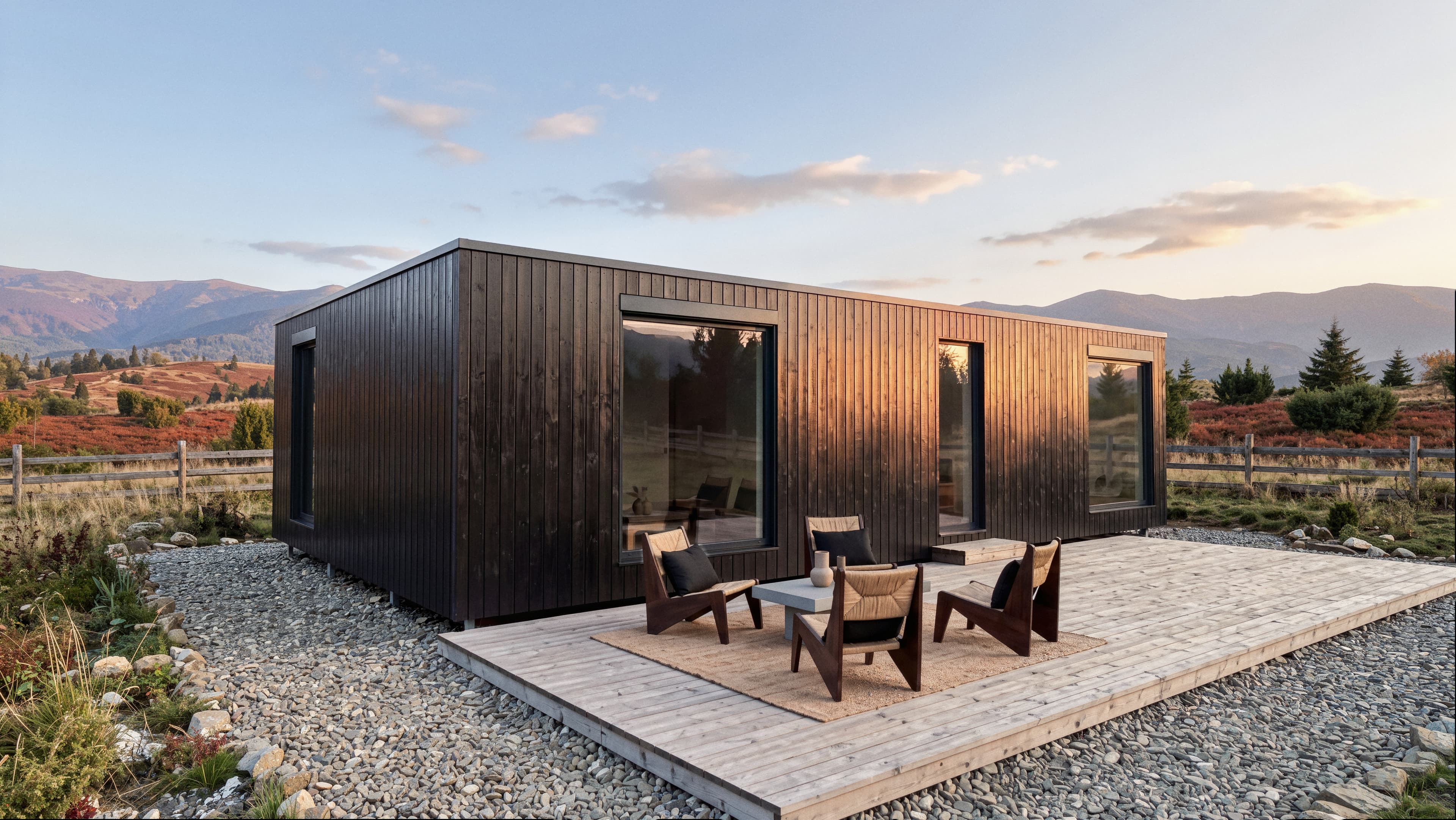
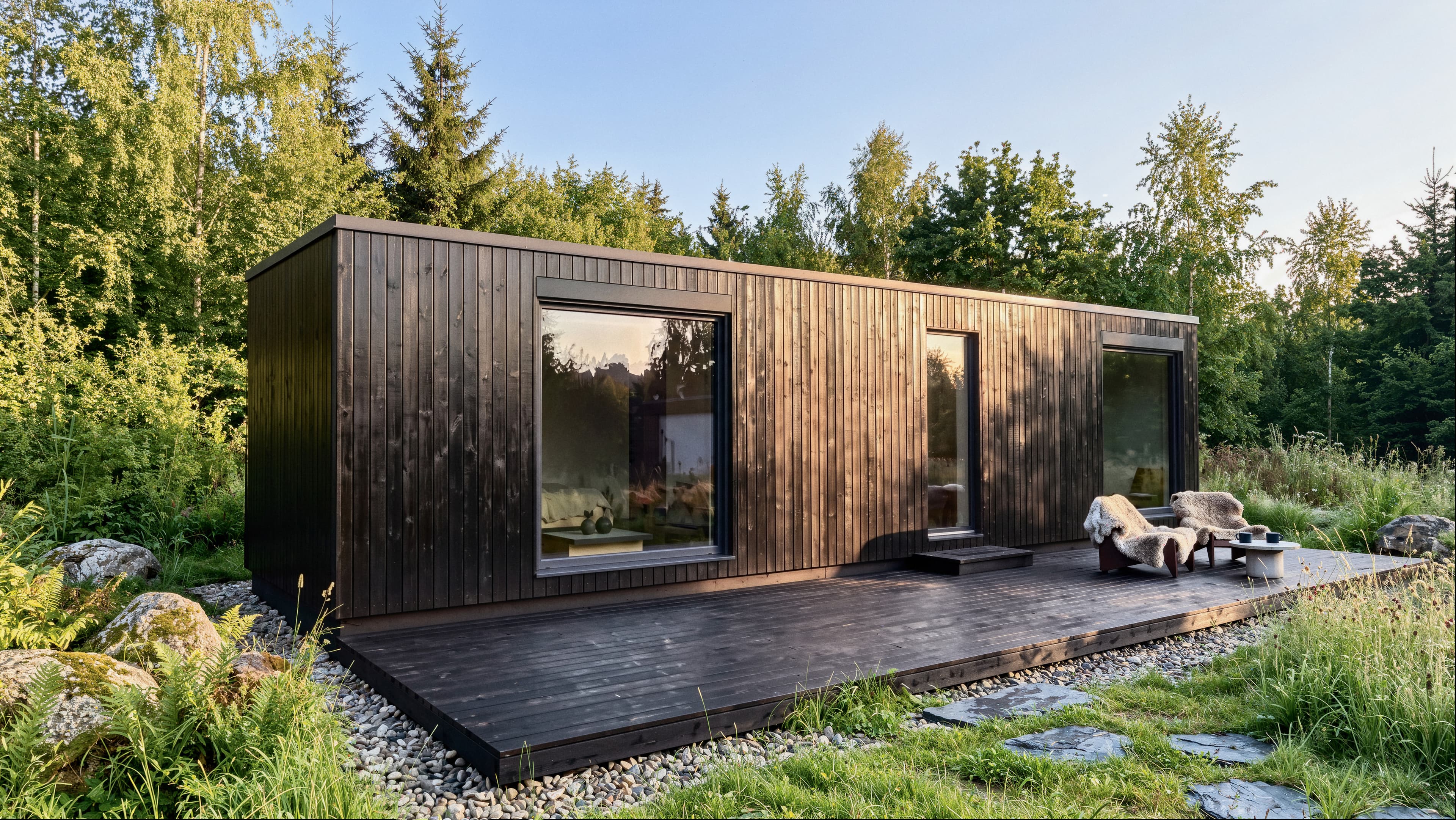
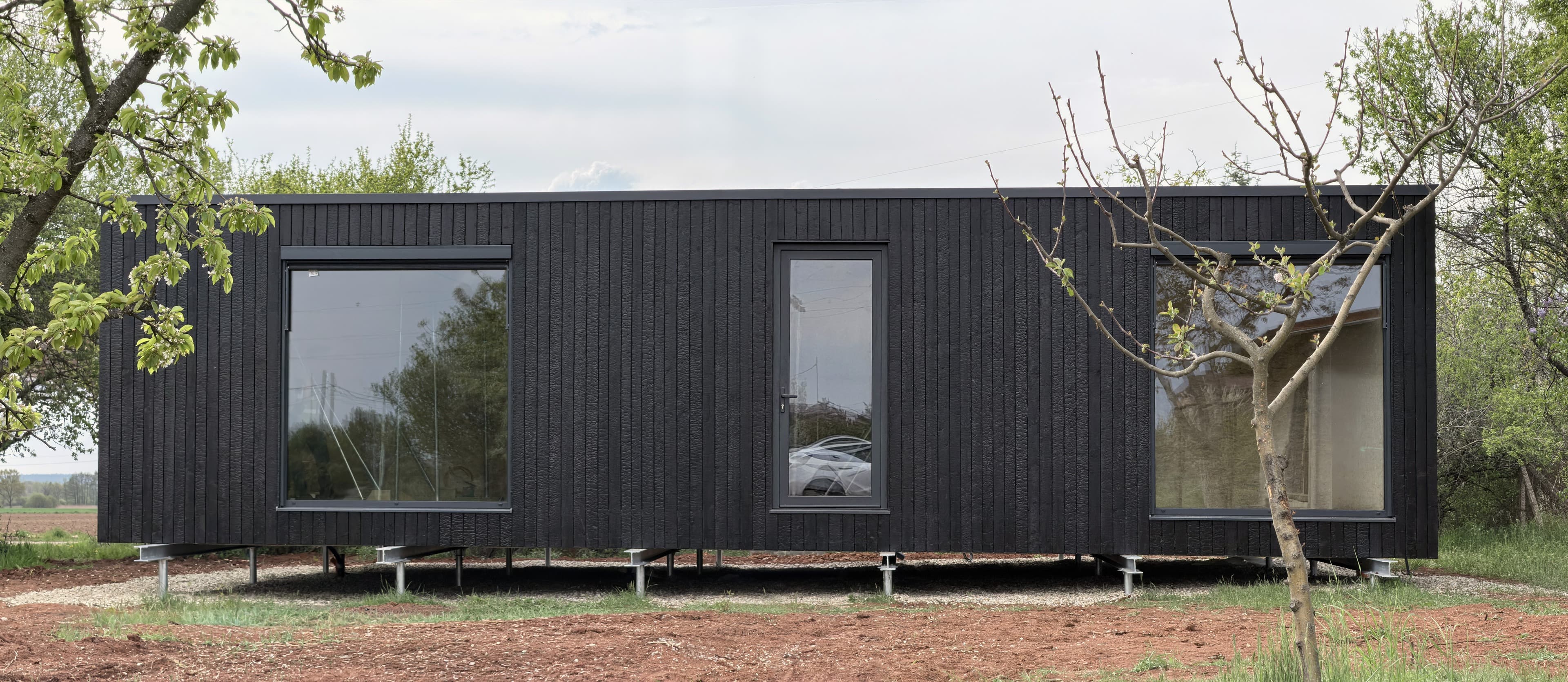
BioBuilds' standard MODULAR homes are built on a Passivhaus-certified building system, with a heating demand target of around 15 kWh/m² per year, calculated with the Passivhaus method. Infinity has a separate energy specification. The official energy class of a specific home is calculated for that project, under the method of the country where it is built, by an accredited assessor. To see the models and prices, configure your home.