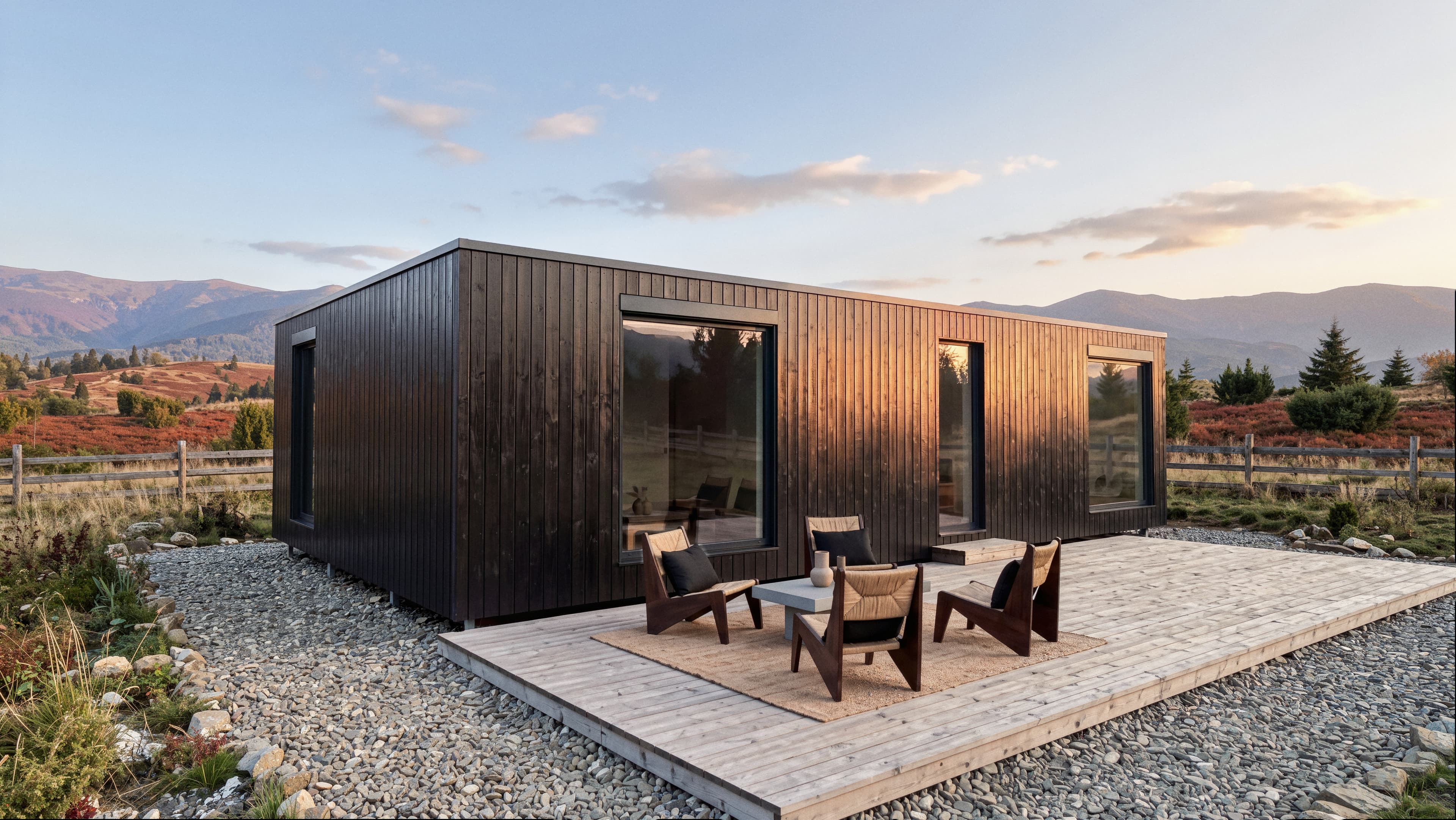
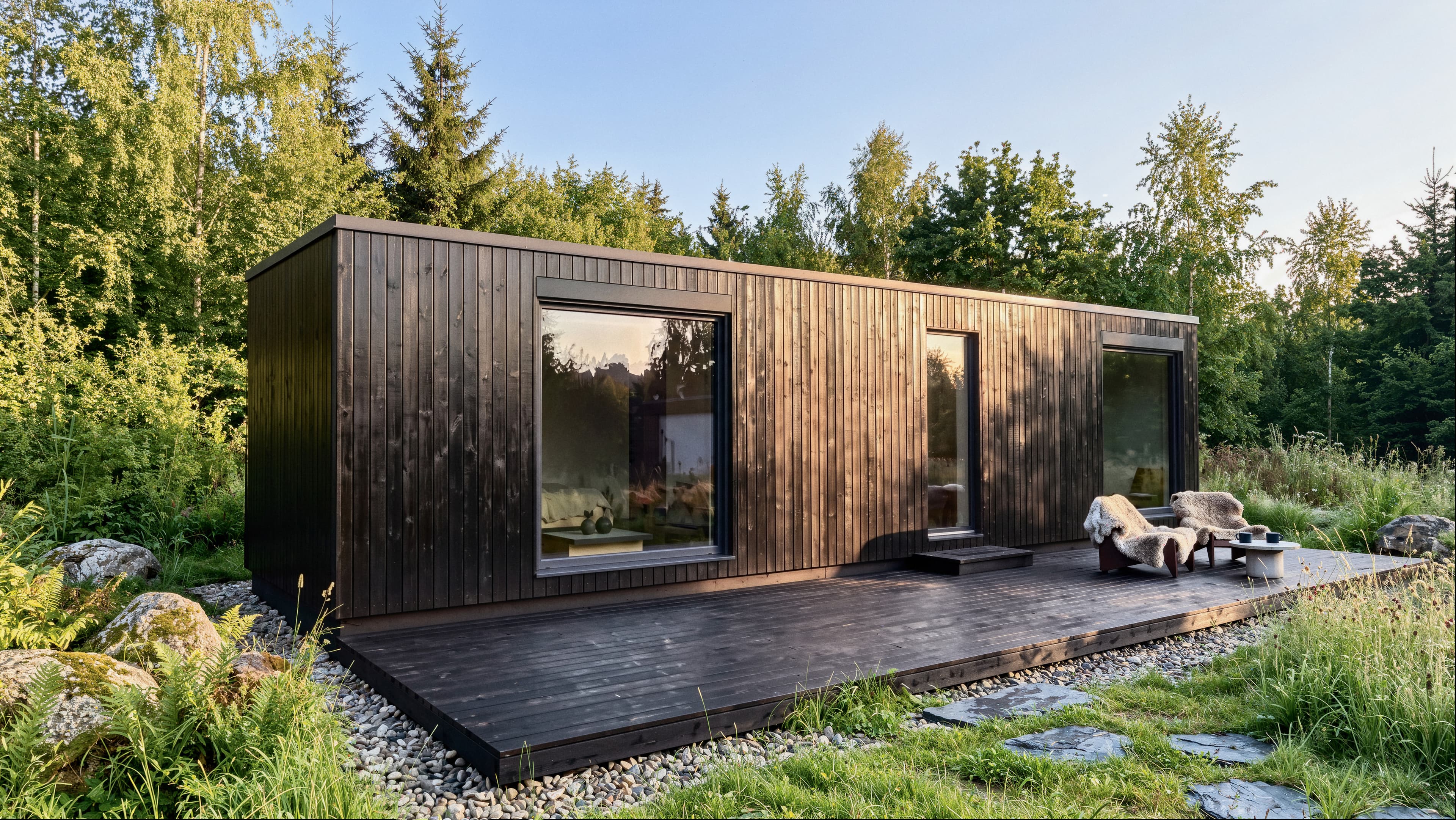
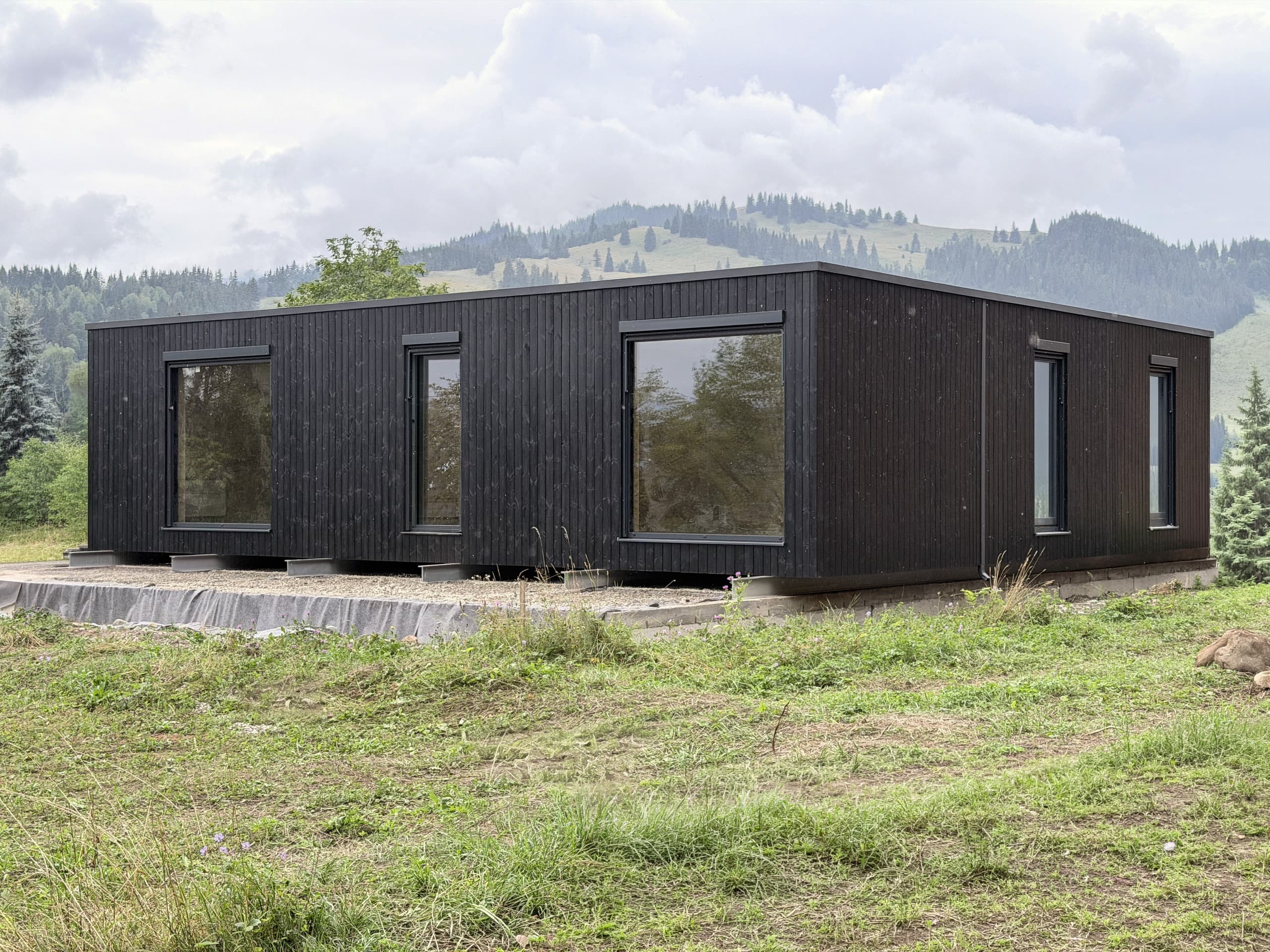
An off-grid home makes its own electricity, supplies its own water and treats its own wastewater. In most of Europe, winter is the hard part: the sun gives a fraction of its summer yield exactly when heating demand peaks. That makes the building's energy demand the first design decision. A home with very low heating demand, solar panels and storage sized for the site can make off-grid living realistic; local rules may still require connections where networks exist.
Living off the grid appeals for many reasons: independence, remote plots, lower running costs or simply the idea of a home that supplies itself. In practice, most "off-grid" homes in Europe are partly connected or carefully sized for the darkest weeks of the year. This guide explains what a fully self-supplied home needs, why winter decides the design, what the rules say about connections, and where a low-energy building makes the difference.
What does an off-grid home need?
- Electricity: solar panels sized for winter yield, not summer, often with a backup source for long dark periods.
- Storage: batteries for the night and for cloudy days; the number of days of autonomy drives the size and cost.
- Water: a well or borehole, or rainwater collection, with treatment to drinking-water quality.
- Wastewater: an on-site treatment system that meets local discharge rules.
Each system needs maintenance, and each has a permit or quality rule behind it. Plan them with local specialists before you buy a remote plot.
Why does winter decide the design?
In central and northern Europe, a solar array produces only a small share of its yearly output in December and January, when days are short and the sun is low. That is also when heating demand peaks. An off-grid home must bridge that gap with a larger array, more storage, a backup source, or a building that simply needs little energy in winter. The European Commission's free PVGIS tool shows the monthly yield for any location, which makes the winter gap visible before you design.
The cheapest kilowatt-hour off the grid is the one the house never needs. Reduce the winter demand first, then size the solar and storage to what remains.
How does a low-energy home help?
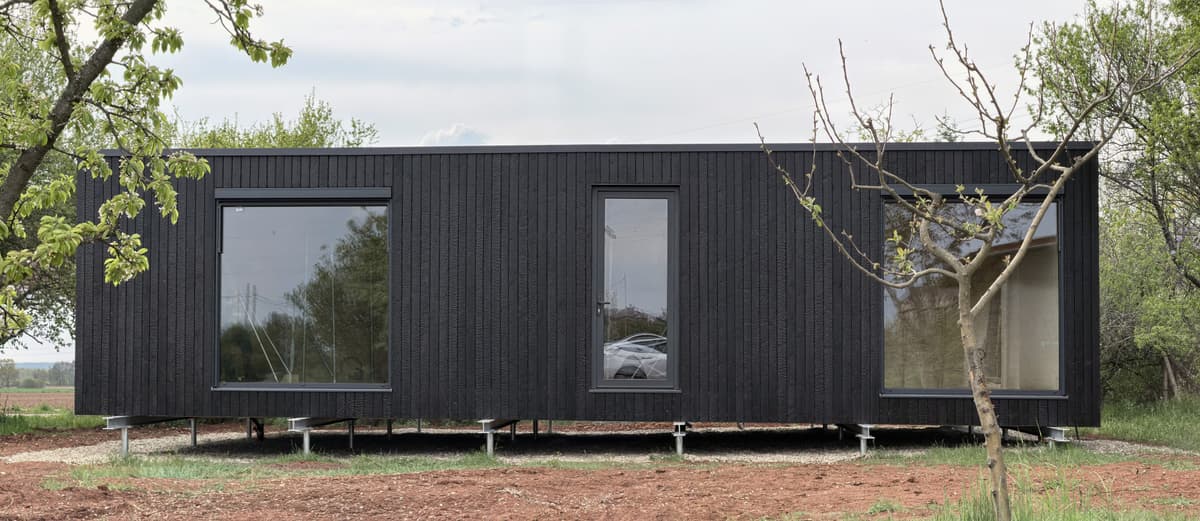
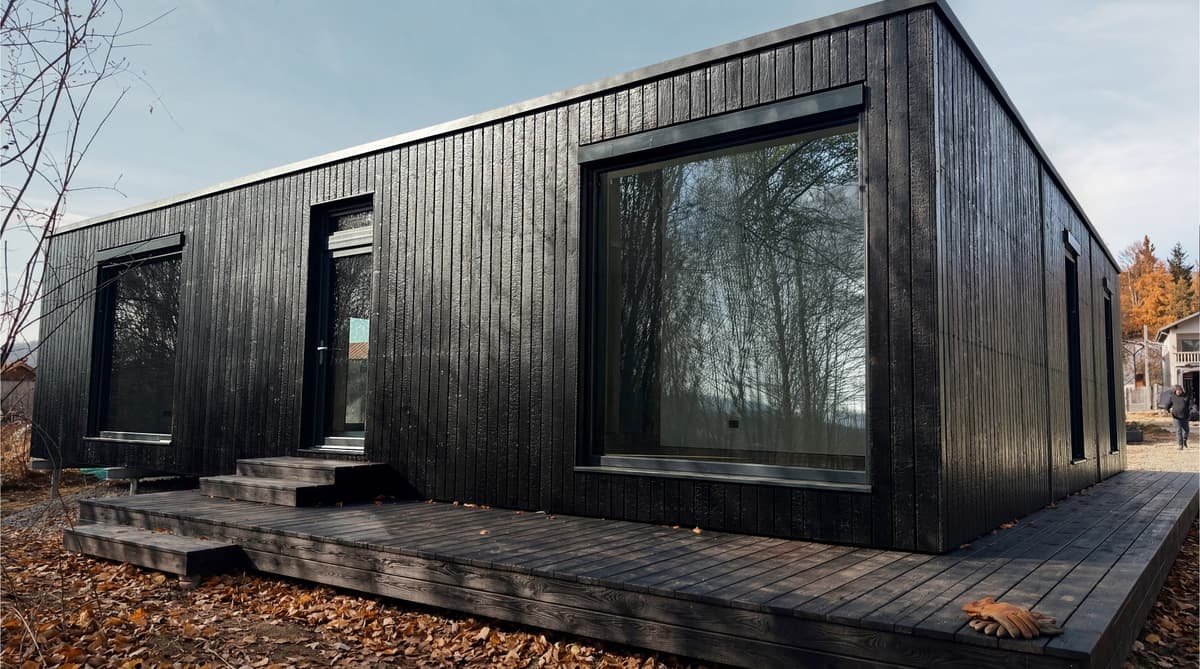
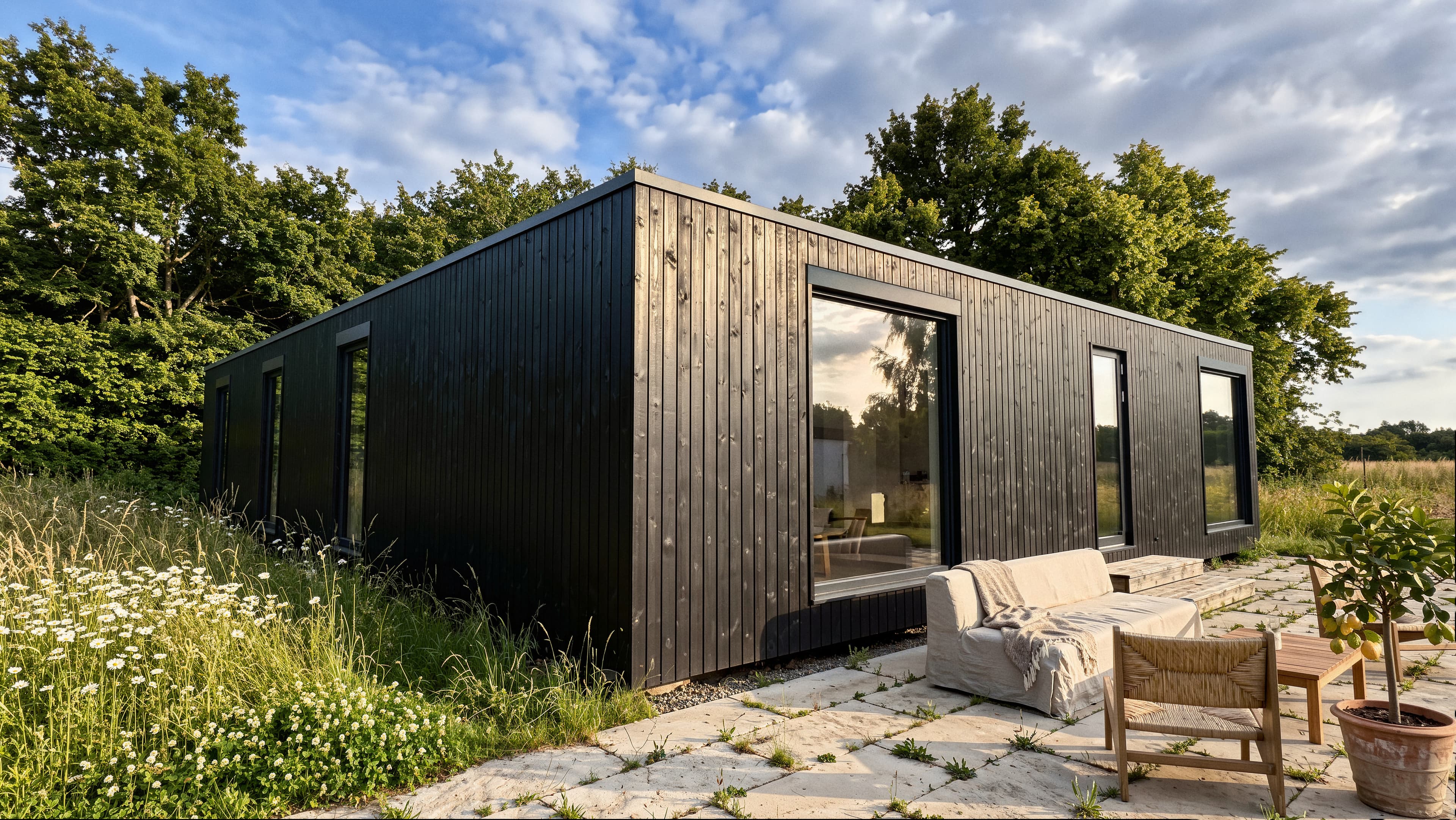
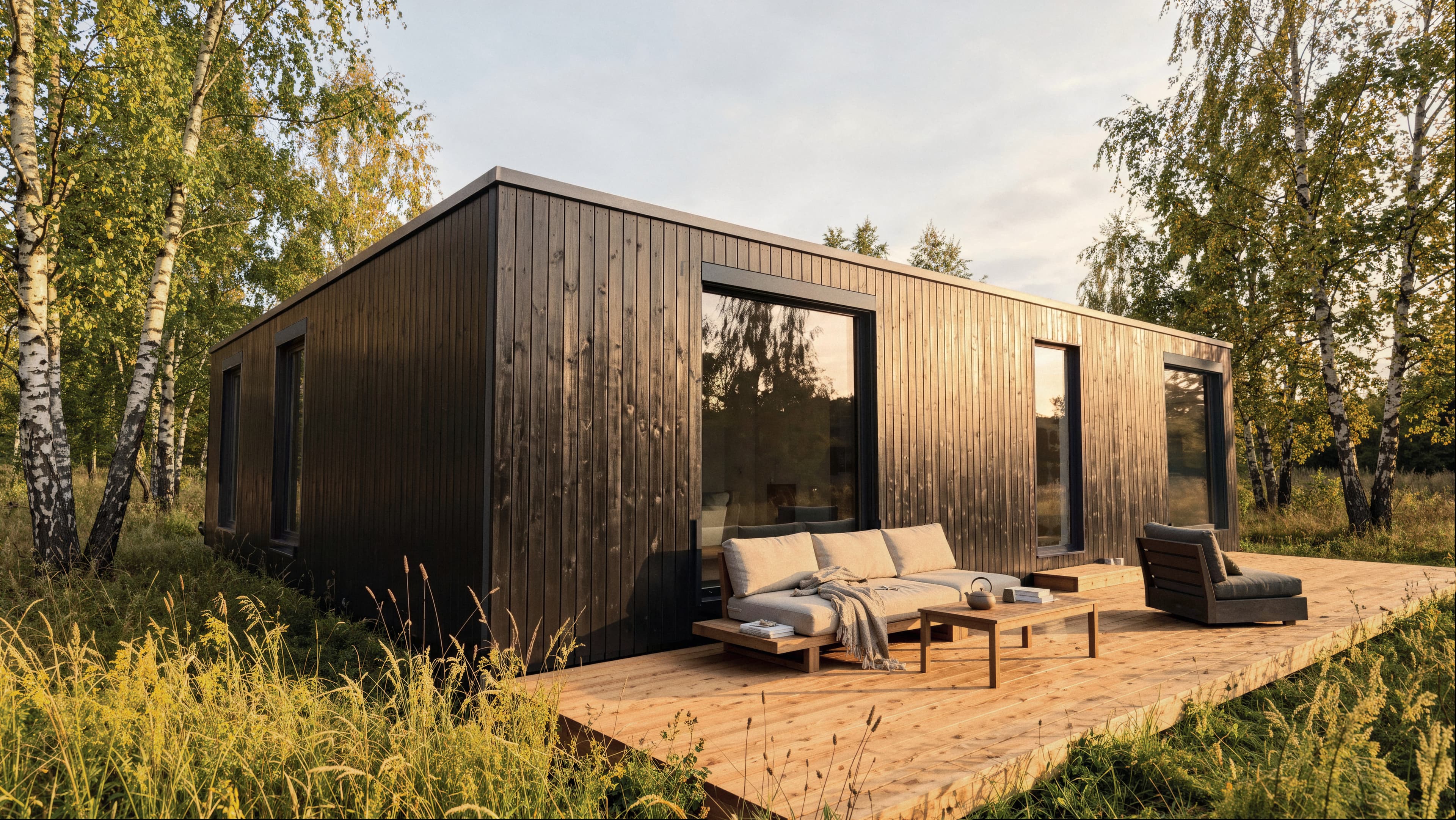
A building with a very low heating demand changes the off-grid equation. With good insulation, triple glazing, airtightness and heat recovery ventilation, a heat pump needs little electricity even in winter, so the array, the batteries and the backup can be smaller. BioBuilds standard models are built on a Passivhaus-certified building system with a heating demand target of around 15 kWh/m² per year. That low heating demand can make off-grid living realistic, with solar and storage sized for the site.
BioBuilds offers prosumer solar kits from 6 kWp for Wanderlust to 12 kWp for Bloom as an add-on in both finishes. Their standard inverters do not support permanent off-grid operation, so an autonomous system needs a separate electrical design. Batteries, backup and water systems are not part of the kit; plan them for your site with local specialists. Our guide to solar panels for a passive house explains the sizing.
Can you legally live off the grid?
It depends on the country and the plot. A permanent home usually needs a building permit and must have safe water and proper wastewater treatment. Local rules can also require public water and sewer connections: for example, North Rhine-Westphalia's municipal code allows municipalities to impose connection and use obligations. Check electricity-connection requirements separately, and ask the local authority which connections and exemptions apply before you buy.
What does it cost?
The house is only part of the budget: the solar array, batteries, backup, water supply and wastewater system add costs that depend on the site. Allow for land, permits, foundations, the crane and other site works too. BioBuilds quotes transport separately for the destination, except in Ireland, where it is included; the client arranges on-site assembly with BioBuilds' local partners at no extra cost. BioBuilds publishes its house prices: from €78,000 for Wanderlust 48 in Exterior Finished and from €128,000 in Turnkey; Wanderlust's standard grid-connected solar kit is €13,800, including an illustrative 19% German VAT. To see a configuration, configure your home.