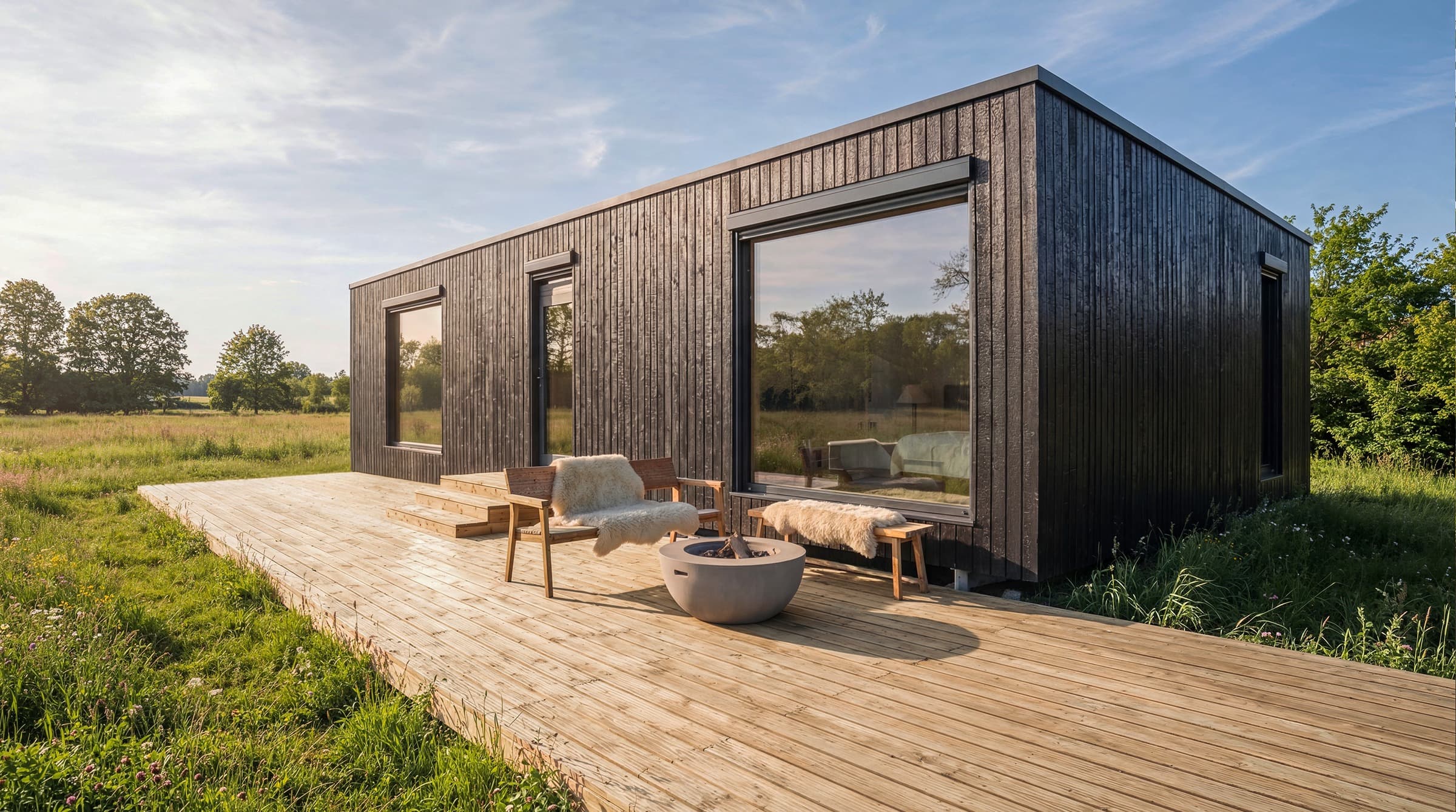
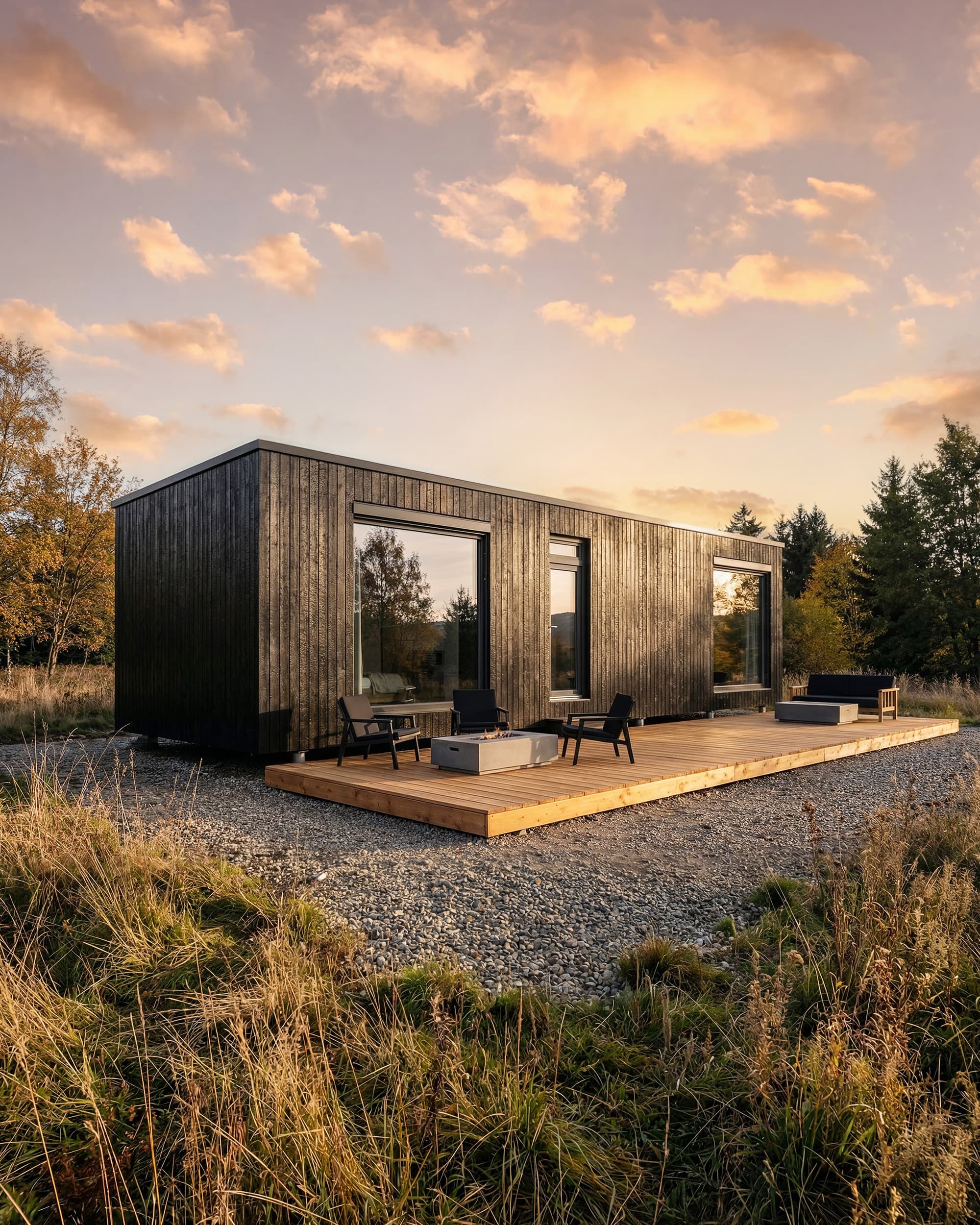
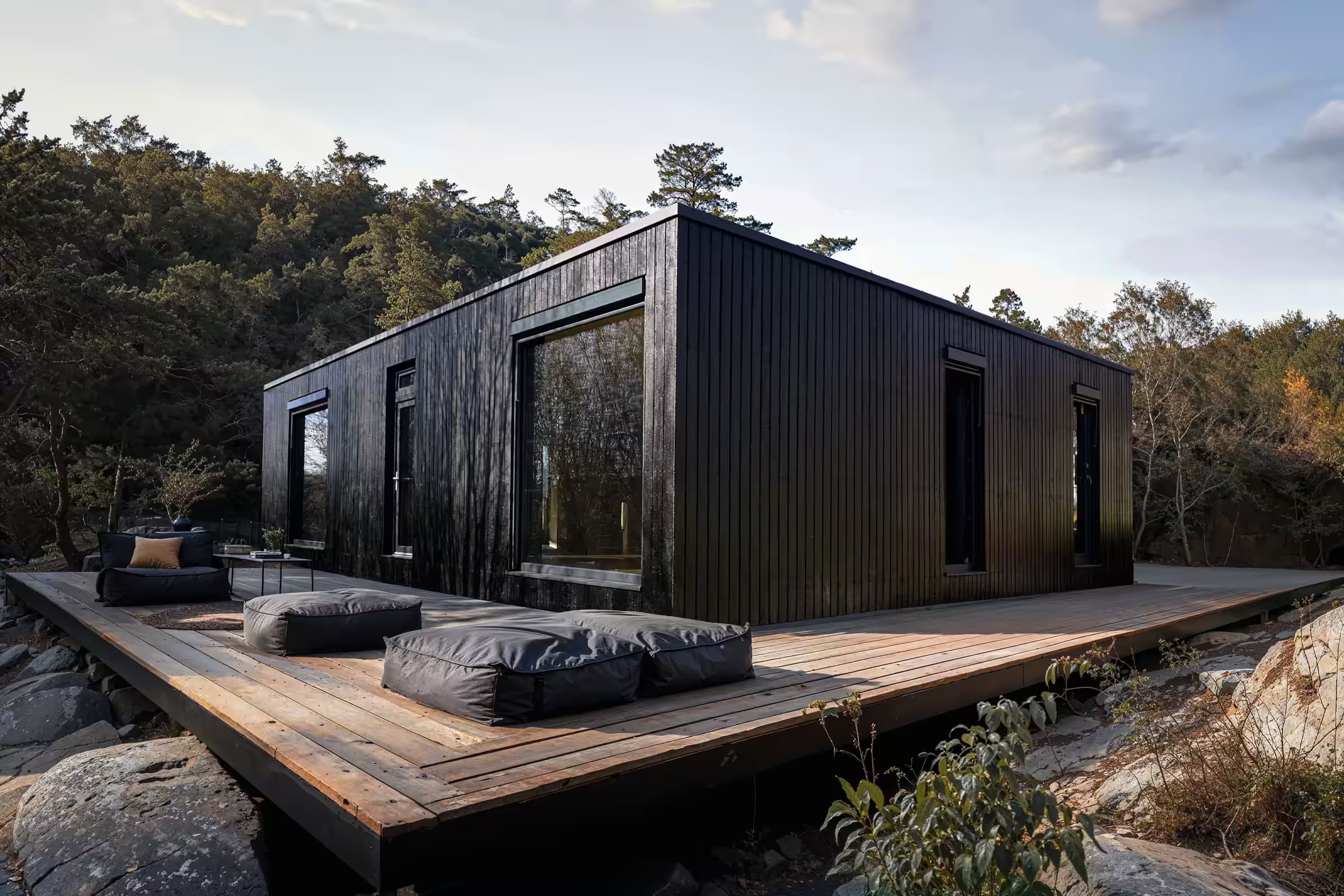
Oamenii își petrec peste 90% din viață în interior, ceea ce face ca mediul construit să influențeze direct sănătatea. Cercetări de la instituții precum University of British Columbia arată că interioarele din lemn reduc stresul, scad tensiunea și pulsul, reglează în mod natural umiditatea și susțin performanța cognitivă. Echilibrul optim apare la aproximativ 45% suprafață vizibilă din lemn, suficient pentru efecte biofilice fără a încărca vizual spațiul. Casele BIOBUILDS folosesc 98% materiale organice pentru a crea locuințe care susțin activ sănătatea ocupanților.
Materialele care ne înconjoară ne influențează sănătatea în moduri la care puțini se gândesc. Potrivit Harvard T.H. Chan School of Public Health, majoritatea oamenilor își petrec peste 90% din viață în interior, însă mediul interior primește mult mai puțină atenție decât alimentația sau mișcarea atunci când vorbim despre wellbeing. Tot mai multe studii arată că această omisiune contează enorm. Pereții, pardoselile și tavanele dintre care trăim ne influențează stresul, tensiunea arterială, funcția cognitivă și sănătatea pe termen lung.
Lemnul a fost materialul principal de construcție al omenirii timp de milenii, dar abia recent știința a început să explice de ce oamenii preferă constant interioarele cu lemn. Fenomenul depășește estetica și intră în zona răspunsurilor fiziologice măsurabile, de la nivelul cortizolului până la productivitatea la locul de muncă.
Ipoteza biofiliei
Termenul "biofilie" vine din greaca veche și înseamnă "iubirea pentru formele vii". Ipoteza biofiliei, popularizată de biologul E.O. Wilson în 1984, spune că oamenii au o afinitate înnăscută pentru natură și pentru sistemele naturale, moștenită din sute de mii de ani de viață în contact direct cu mediul natural. Această legătură nu a dispărut când ne-am mutat în clădiri; doar s-a transferat în felul în care răspundem la elementele naturale integrate în spațiile interioare.
Designul biofilic traduce această idee în strategii concrete de proiectare. Conform Global Wellness Institute, elementele biofilice care susțin reducerea stresului includ lumina dinamică, plantele, florile, formele naturale, apa și folosirea atentă a lemnului. Cercetările Terrapin Bright Green descriu 14 tipare distincte de design biofilic, iar materialele naturale se numără printre cele mai accesibile și eficiente intervenții.
Lemnul ocupă un loc special printre materialele naturale. Spre deosebire de plante, nu cere întreținere continuă și nu introduce alergeni. Spre deosebire de piatră sau apă, poate forma chiar structura și suprafețele principale ale unei clădiri. Unele cercetări arată chiar că prezența vizuală a lemnului poate reduce stresul mai eficient decât plantele.
De ce ne atrage lemnul
Efectul biofilic al lemnului funcționează simultan pe mai multe canale senzoriale. Vizual, fibra lui are acea neregularitate organică pe care suprafețele artificiale nu o pot imita convingător. La atingere, lemnul transmite o temperatură percepută plăcută, nici rece ca metalul, nici inertă ca piatra. Chiar și mirosul unor esențe contribuie la răspunsul emoțional și fiziologic.
Compușii volatili emiși de unele specii, mai ales conifere precum pinul sau cedrul, includ terpene asociate cu efectele relaxante ale forest bathing-ului studiat intens în Japonia. Chiar dacă aceste emisii scad în timp, ele ajută la explicarea faptului că răspunsul la lemn nu este doar cultural sau estetic.
Reducerea stresului și efectele fiziologice
Cercetarea a trecut de la preferințe declarate la măsurarea directă a răspunsului corpului. Un studiu realizat în 2010 la University of British Columbia a analizat efectele lemnului în spațiile de birou prin măsurarea activității celor două ramuri ale sistemului nervos autonom. Rezultatele au arătat că expunerea vizuală la lemn activează sistemul parasimpatic, adică răspunsul de tip "odihnă și refacere", și reduce activitatea simpatică asociată stresului.
Aceste efecte sunt măsurabile și consistente. Studiile pe încăperi cu niveluri diferite de acoperire din lemn au arătat că 90% suprafață din lemn a dus la ritm cardiac și tensiune arterială mai mici decât camerele fără lemn. Un alt tip de cercetare, bazat pe analiza cortizolului din firul de păr, a indicat că munca în spații bogate în lemn scade stresul cronic, nu doar pe cel de moment.
Prezența vizuală a lemnului poate reduce stresul chiar mai eficient decât plantele. Camerele cu aproximativ 45% suprafețe din lemn cresc percepția de confort și reduc tensiunea arterială.
-- rezultate ale cercetării University of British Columbia
Efectele par să funcționeze automat, fără ca ocupanții să fie conștienți de ele. Asta înseamnă că beneficiile nu depind de preferința declarată pentru lemn sau de faptul că "apreciezi designul", ci se produc la un nivel mai profund.
Regula celor 45%: cât lemn este optim
Mai mult lemn nu înseamnă mereu mai bine. Un studiu din 2007 al cercetătorilor Tsunetsugu, Miyazaki și Sato (Forest Therapy Research, Japonia) a comparat reacțiile ocupanților la camere cu 0%, 45% și 90% suprafețe din lemn.
Din punct de vedere fiziologic, camera cu 90% acoperire din lemn a dat cele mai bune rezultate la puls și tensiune. Dar când participanții au descris cum se simt, spațiul preferat a fost cel cu 45% lemn. Cu alte cuvinte, există un punct optim între beneficiul fiziologic și confortul psihologic.
| Acoperire cu lemn | Puls / tensiune | Confort perceput | Evaluare generală |
|---|---|---|---|
| 0% (fără lemn) | Referință | Referință | Cel mai mic beneficiu biofilic |
| 45% lemn | Îmbunătățit | Cel mai ridicat | Echilibru psihofiziologic optim |
| 90% lemn | Cel mai scăzut, deci cel mai bun | Sub nivelul de la 45% | Beneficiu fiziologic maxim |
Această diferență arată că o cameră dominată complet de un singur material, chiar și natural, poate deveni monotonă sau apăsătoare. Nivelul de 45% este descris de cercetători drept "echilibrul psihofiziologic optim".
Pentru designul rezidențial, aproximativ 45% suprafață vizibilă din lemn oferă cel mai bun echilibru între reducerea stresului și confortul general. În practică, asta poate însemna pardoseală din lemn, un perete accent, grinzi expuse și mobilier din lemn, nu acoperirea uniformă a tuturor suprafețelor.
Productivitate și performanță cognitivă
Legătura dintre interioarele din lemn și productivitatea la locul de muncă a atras mult interes, pentru că și o mică îmbunătățire de performanță are valoare economică mare la scară largă. Un studiu realizat de Forest and Wood Products Australia pe 1.000 de angajați a găsit corelații între prezența lemnului și concentrarea mai bună, starea de spirit îmbunătățită, productivitatea personală mai mare și absenteismul redus.
Studiile în care participanții au făcut aceleași sarcini în medii diferite oferă dovezi și mai directe. Într-un astfel de test, 85% dintre cei aflați într-un spațiu bogat în lemn au evaluat confortul ca ridicat, comparativ cu 43% într-un mediu convențional de laborator.
Mecanisme cognitive posibile
Există mai multe explicații posibile. Reducerea stresului eliberează resurse mentale care altfel ar fi consumate de tensiune și distragere. O dispoziție mai bună crește disponibilitatea de a aborda sarcini dificile. Teoria attention restoration sugerează că elementele naturale ajută atenția focalizată să se refacă mai repede după oboseală.
Studii din China au arătat că participanții au răspuns mai repede și mai corect la teste cognitive în camere cu structură din lemn decât în încăperi de beton. Asta sugerează că lemnul nu doar "se simte bine", ci poate avea și un efect real asupra performanței mentale.
Reglarea naturală a umidității
Pe lângă efectele psihologice și fiziologice, lemnul oferă beneficii funcționale prin buffering de umiditate, adică poate absorbi umiditatea în exces când aerul este prea umed și o poate elibera când aerul este prea uscat.
Conform cercetărilor sintetizate de Puuinfo, intervalul optim de umiditate relativă în interior este între 30% și 55%. Sub acest nivel, mucoasele se usucă și crește vulnerabilitatea la infecții respiratorii. Peste el, cresc riscul de acarieni și mucegai.
Studiile comparative arată că lemnul stabilizează umiditatea mai bine decât materiale convenționale. Cercetările pe locuințe identice, unele cu interioare solide din lemn și altele cu gips-carton, au arătat că spațiile cu lemn masiv au menținut umiditatea interioară mai stabilă. Plăcile poroase din fibră de lemn au redus vârfurile de umiditate cu 75-80%.
Materialele interioare din lemn au în general efecte pozitive sau neutre asupra calității mediului interior, inclusiv moderarea fluctuațiilor de umiditate, generarea de stări pozitive și inhibarea anumitor bacterii.
-- European Journal of Wood and Wood Products, 2020
Ce influențează buffering-ul de umiditate
Specia lemnului contează. La fel și tratamentul de suprafață. Lacurile groase sau vopselele care sigilează complet suprafața pot elimina aproape complet beneficiul de reglare a umidității. Uleiurile naturale, hardwax oils și finisajele permeabile la vapori păstrează mult mai bine comportamentul natural al lemnului.
Calitatea aerului interior
Calitatea aerului interior este un aspect esențial, dar complex. Pe de o parte, unele produse din lemn pot emite compuși organici volatili. Pe de altă parte, materialele organice emit, de regulă, mult mai puțin decât alternativele sintetice, iar reglarea umidității reduce indirect riscul de mucegai.
O analiză sistematică a 24 de ani de cercetare privind clădirile prefabricate din lemn a identificat în anumite cazuri formaldehidă, benzen, toluen și acetaldehidă. Totuși, nivelul emisiilor depinde foarte mult de esența lemnului, adezivii folosiți, tratamentele de suprafață și rata de ventilație.
Cheia este reducerea sursei: materiale low-VOC, evitarea adezivilor pe bază de formaldehidă și alegerea corectă a speciilor și finisajelor. Combinate cu o ventilație bună, clădirile din lemn pot avea o calitate excelentă a aerului. Casele Passivhaus cu ventilație mecanică și recuperare de căldură rezolvă această ecuație foarte eficient.
Tocmai de aceea BIOBUILDS specifică materiale low-VOC și include ventilație mecanică echilibrată în fiecare locuință. Certificarea Passivhaus cere alimentare continuă cu aer proaspăt filtrat, ceea ce reduce orice risc legat de VOC și păstrează în același timp performanța energetică.
Aplicații în mediul medical
Spațiile medicale sunt un test foarte bun pentru afirmațiile despre design biofilic, pentru că rezultatele pacienților oferă indicatori măsurabili. Încă din studiul clasic al lui Roger Ulrich din 1984 s-a observat că pacienții cu vedere spre natură se recuperau mai repede, aveau nevoie de mai puține calmante și stăteau mai puțin în spital.
O analiză sistematică publicată în 2024 în Frontiers of the Built Environment a arătat că designul biofilic în spațiile de sănătate reduce durata spitalizării, mortalitatea, nivelul durerii și stresul atât pentru pacienți, cât și pentru personal.
Lemnul poate contribui la acest efect prin îmbunătățirea confortului psihologic și a calității mediului. Progresul în finisaje și în produsele moderne din lemn face posibilă integrarea lui și în spații medicale, în condiții de siguranță.
Evoluția designului de spital
Arhitectura de sănătate începe să reflecte aceste concluzii. Un exemplu important este Quinte Health Prince Edward County Memorial Hospital din Ontario, care devine primul spital de acute care din America de Nord cu structură integrală din mass timber neîncapsulat.
Unele cercetări au documentat și proprietăți antimicrobiene ale lemnului netratat. Deși mediul clinic cere suprafețe ușor de curățat, aceste rezultate arată că lemnul poate avea mai mult loc în proiectarea spațiilor medicale decât se credea.
Cum implementezi designul biofilic cu lemn
Transformarea rezultatelor de cercetare în decizii de design rezidențial înseamnă echilibru între acoperirea optimă cu lemn, calitatea aerului, tipul de finisaj și integrarea cu restul sistemelor din casă.
Strategii pentru ținta de 45%
Pentru a ajunge la aproximativ 45% suprafață vizibilă din lemn, de obicei combini elemente pe mai multe suprafețe:
- Pardoseală: Lemn masiv sau parchet stratificat de calitate.
- Pereți accent: Un singur perete placat cu lemn poate schimba puternic percepția spațiului.
- Tavan: Grinzi expuse, panouri de tavan sau elemente acustice din lemn.
- Mobilier și tâmplării interioare: Bucătării, biblioteci, uși, mobilier fix.
- Ferestre și uși: Tâmplăriile din lemn adaugă prezență în puncte vizuale cheie.
Importantă nu este neapărat combinația exactă, ci procentul total și distribuția bine echilibrată.
Finisajele de suprafață
Finisajele influențează atât durabilitatea, cât și beneficiile biofilice. Tratamentele foarte groase, precum straturile dense de poliuretan, blochează schimbul de umiditate și reduc textura naturală. Variantele mai potrivite sunt:
- Uleiuri naturale: Păstrează textura și schimbul de vapori.
- Hard wax oils: Oferă protecție și permeabilitate.
- Finisaje permeabile la vapori: Păstrează mare parte din buffering-ul natural.
- Lemn netratat: Beneficiu biofilic maxim, dar doar în zone cu uzură redusă.
Avantajele fabricii pentru interioare din lemn
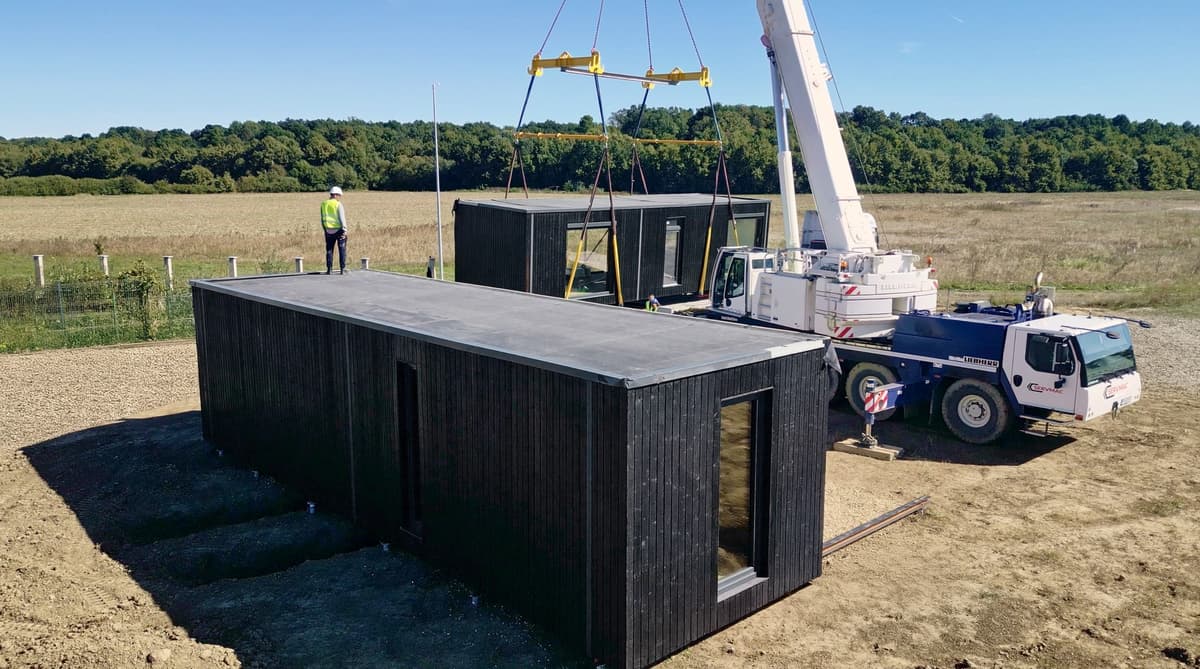
Casele modulare produse în fabrică au avantaje clare atunci când implementează interioare biofilice. Materialele pot fi specificate și verificate riguros înainte de montaj. Standardul BIOBUILDS de 98% materiale organice ajută la menținerea unor emisii foarte reduse.
Procesul modular mai permite ca lemnul să fie montat și finisat în temperatură și umiditate stabilă, fără praf de șantier și fără expunere la ploaie. Rezultatul este un interior din lemn care livrează beneficiul biofilic maxim cu riscuri minime pentru calitatea aerului.
Dovezile care leagă interioarele din lemn de sănătatea ocupanților sunt deja suficient de solide încât să influențeze deciziile de proiectare, de la locuințe la spitale. Cercetarea arată efecte măsurabile asupra stresului, tensiunii, performanței cognitive și confortului general. Pragul de aproximativ 45% suprafață vizibilă din lemn oferă o regulă practică și ușor de folosit.
Locuințele BIOBUILDS aplică aceste principii printr-o construcție cu 98% materiale organice, care pune ocupantul în contact zilnic cu suprafețe naturale. Combinate cu certificarea Passivhaus și ventilație filtrată continuă, aceste locuințe susțin activ sănătatea, nu doar evită problemele.