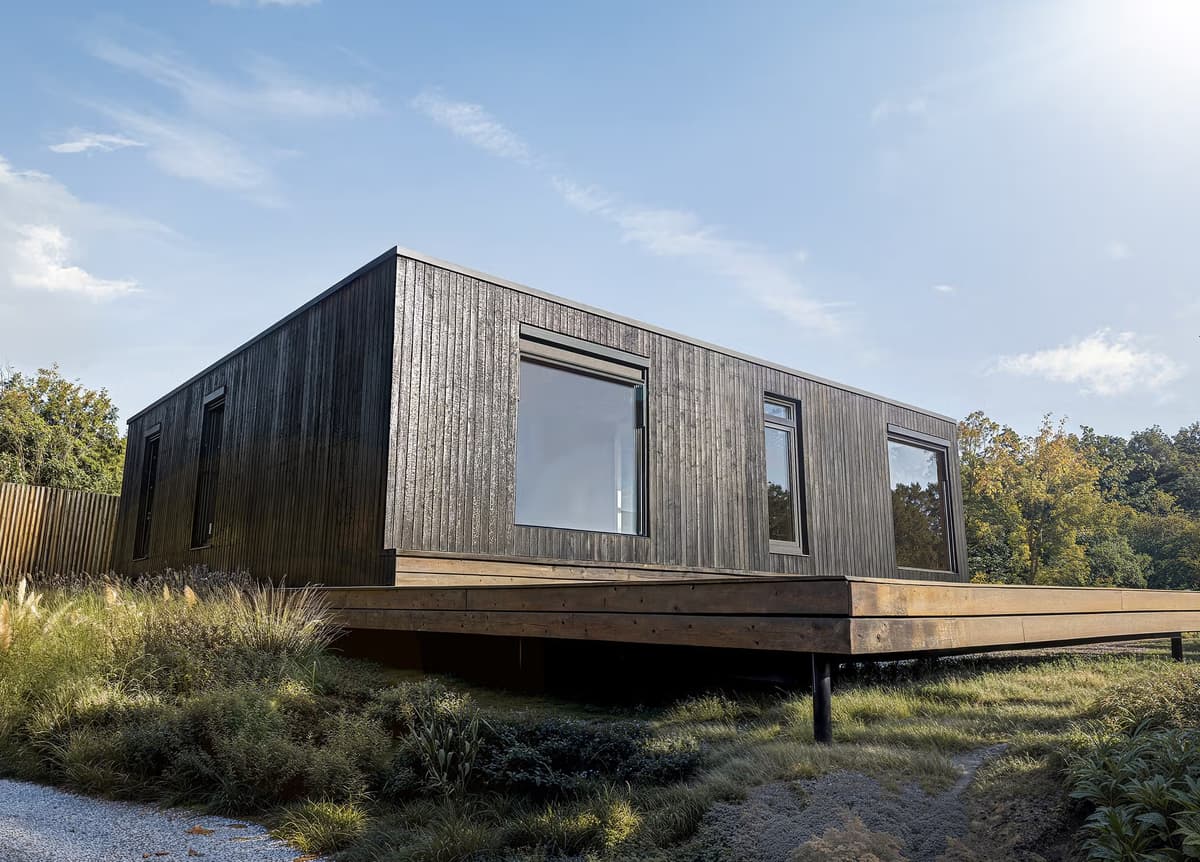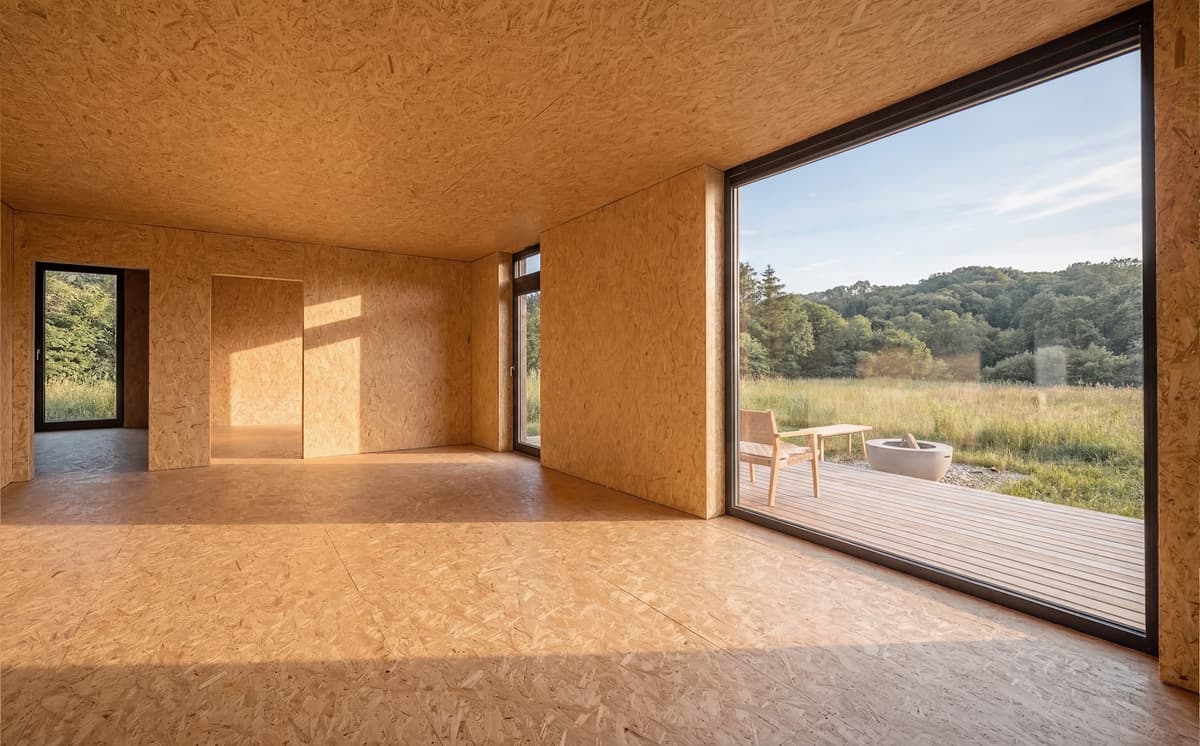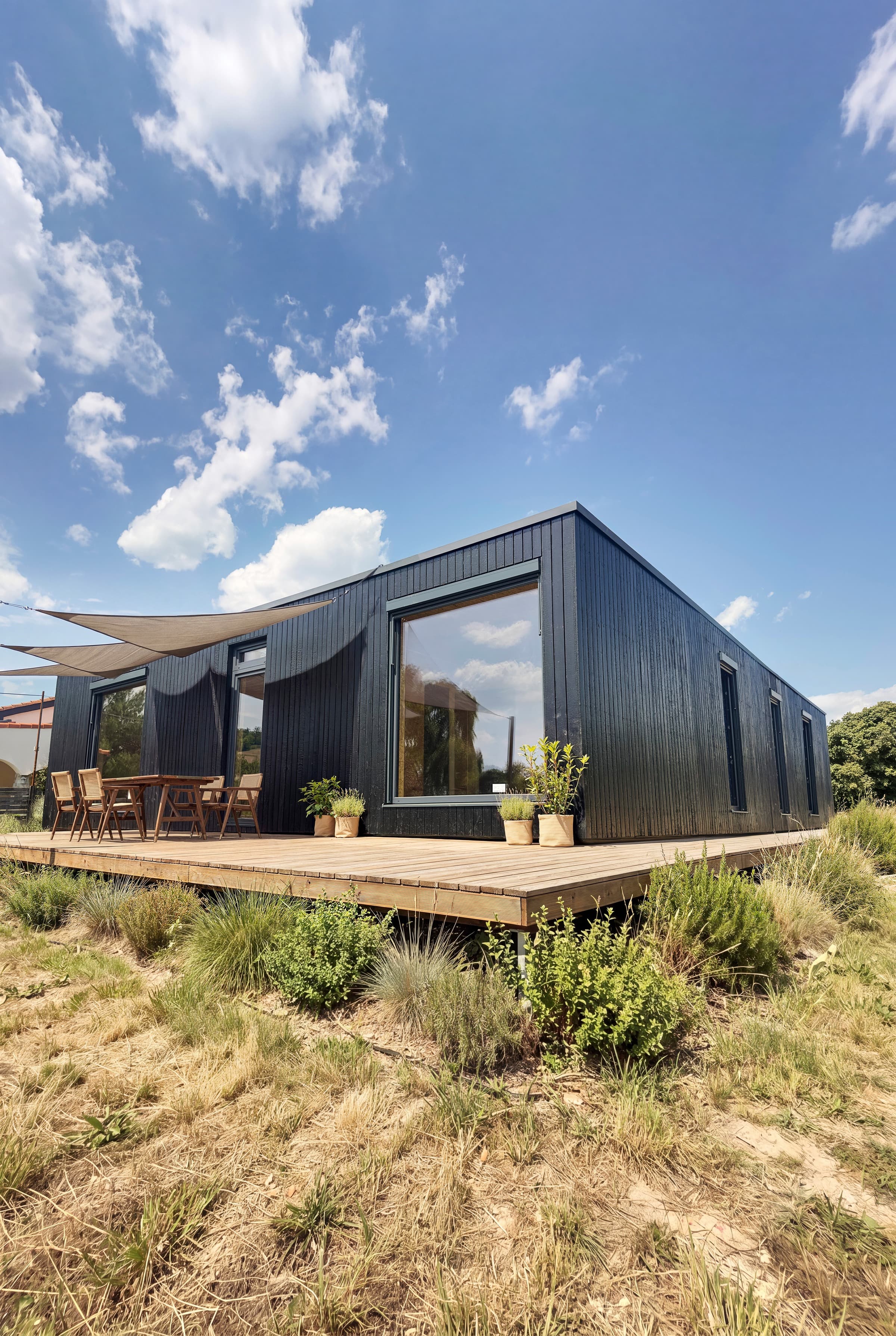
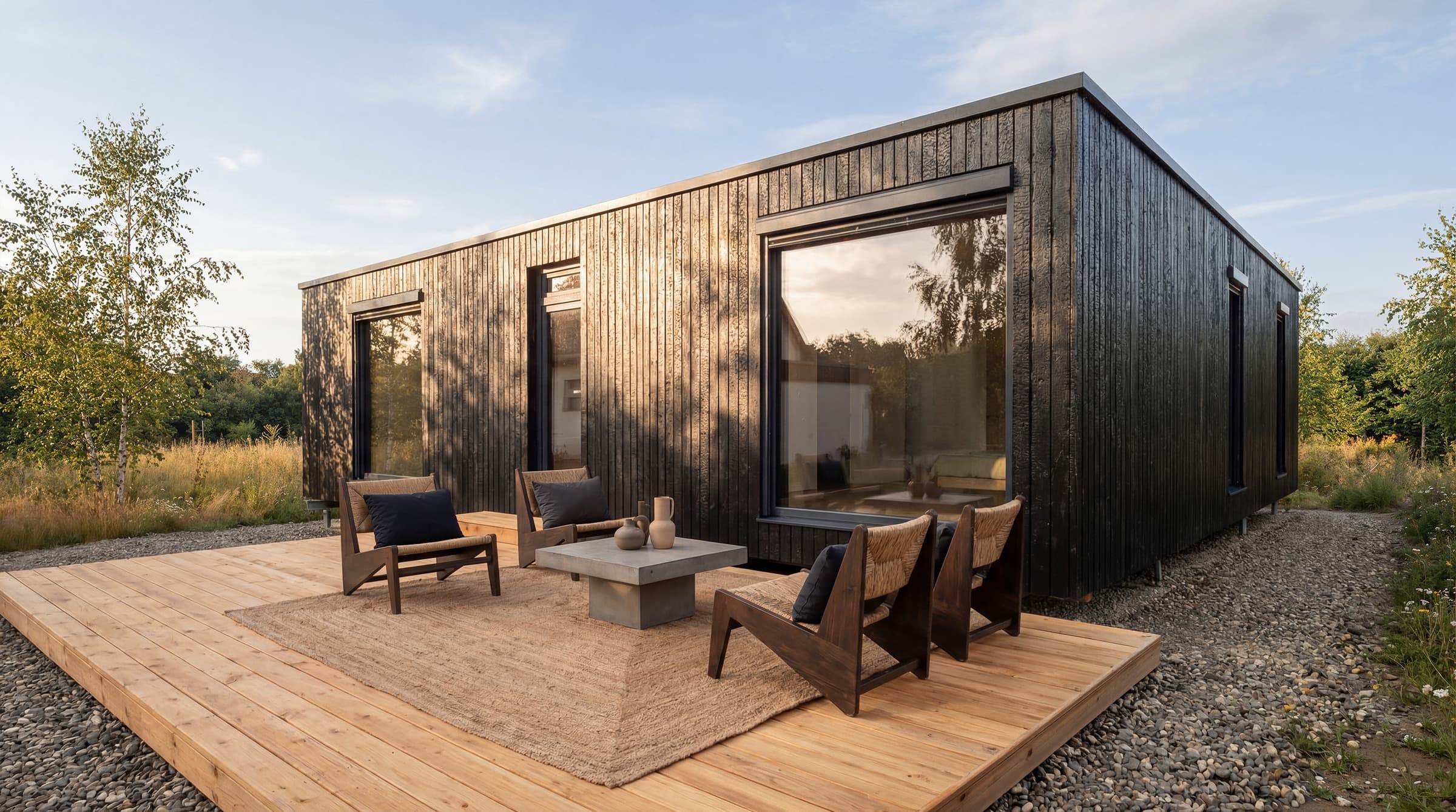
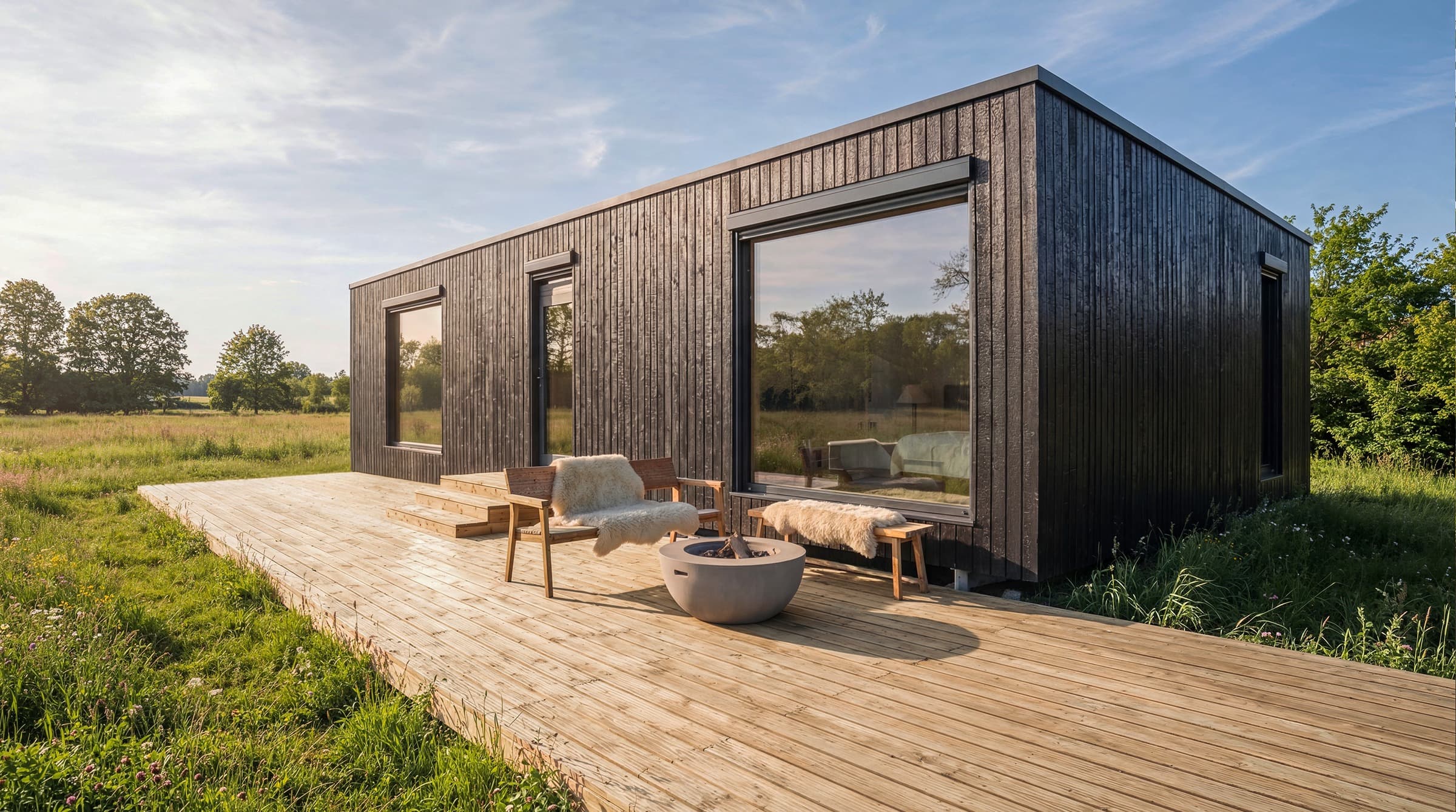
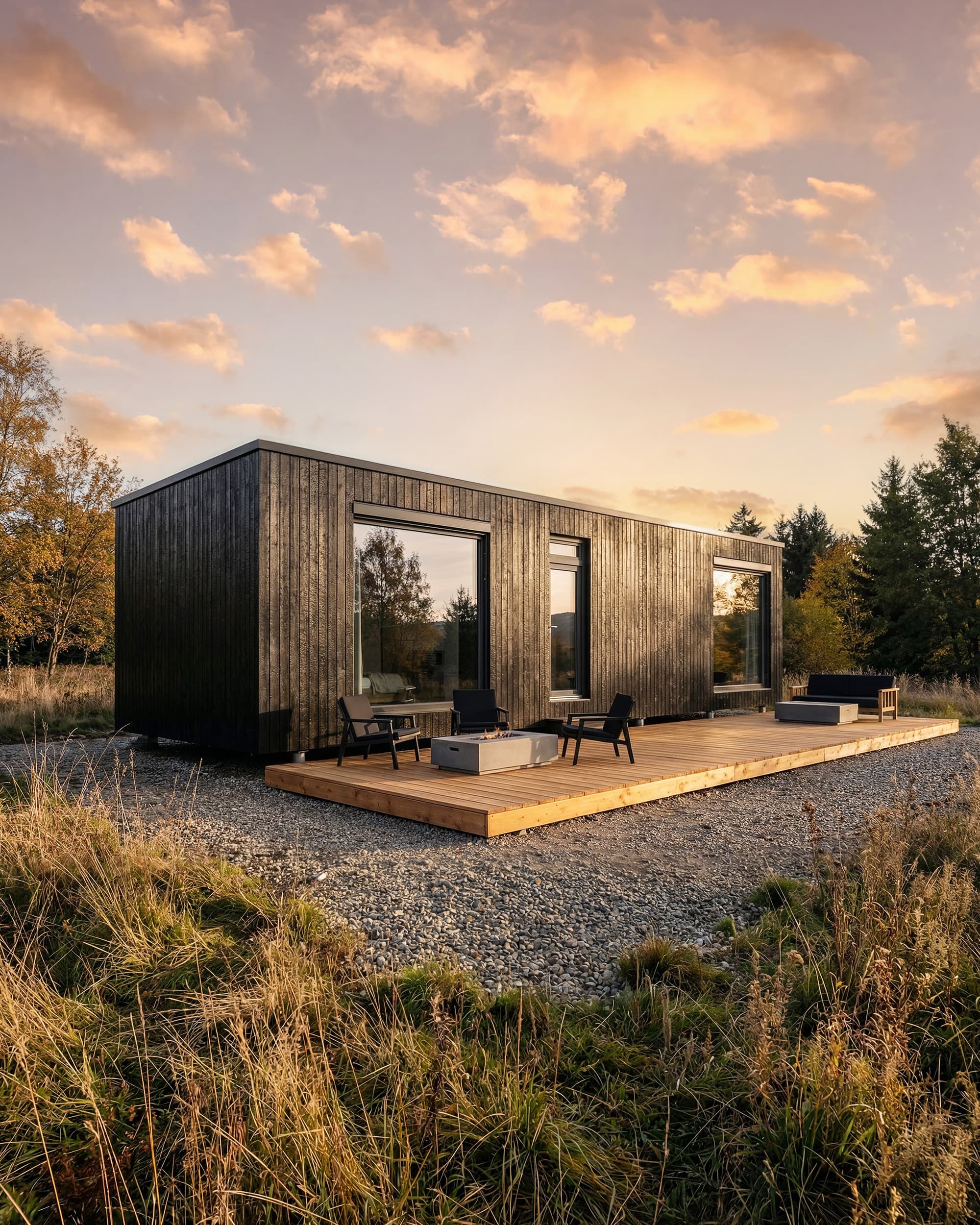
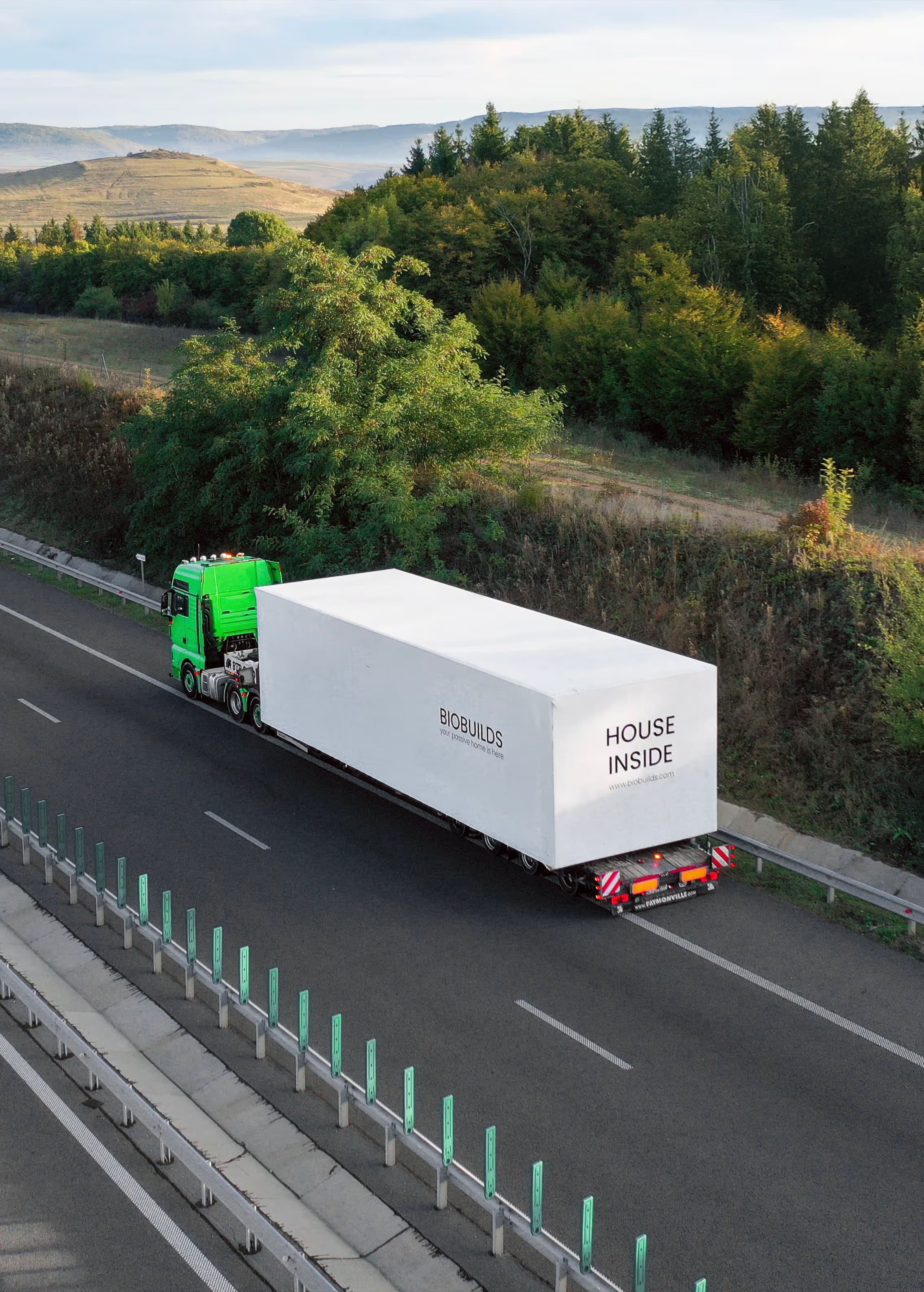
Casele prefab reduc radical durata construcției, iar BIOBUILDS standardizează procesul la 3 săptămâni până la mutare. Secretul este procesarea în paralel: producția în fabrică și pregătirea terenului au loc simultan, eliminând întârzierile secvențiale ale construcției convenționale. Vremea afectează 45% dintre proiectele tradiționale; construcția în fabrică elimină complet această variabilă.
Întrebarea apare în primele cinci minute ale aproape fiecărei consultări: cât va dura, de fapt? După ani în care au auzit povești de groază despre construcția tradițională, cu proiecte care se prelungesc luni peste termen și bugete care se umflă din cauza întârzierilor, viitorii proprietari caută certitudine. Construcția prefab oferă exact asta.
Acest ghid prezintă o cronologie completă bazată pe date din industrie, statistici oficiale și termenele comunicate public de BIOBUILDS. La final vei înțelege nu doar cât durează fiecare etapă, ci și de ce prefab-ul reușește în câteva săptămâni ceea ce construcția tradițională face în luni.
Răspunsul scurt
Durata unui proiect prefab variază în funcție de producător și de contextul autorizării, însă BIOBUILDS livrează în 3 săptămâni până la mutare. Această viteză vine din pregătirea paralelă a terenului, finalizarea casei în fabrică în proporție de 98% și un minim de lucrări pe șantier după livrare.
Cercetările din industrie, inclusiv cele citate de Modular Building Institute, arată că prefab-ul reduce termenul total cu 30-50% față de construcția convențională. Unii producători merg și mai departe: BIOBUILDS finalizează procesul complet până la mutare în 3 săptămâni pentru configurațiile standard.
Cum se compară cu o construcție tradițională
Viteza prefab-ului are sens doar dacă este pusă în context. Datele U.S. Census Bureau din 2024 arată că o casă unifamilială construită tradițional durează în medie 9,1 luni de la autorizație până la finalizare. Este o îmbunătățire față de întârzierile din perioada pandemiei, dar tot rămâne aproape cu două luni peste media din 2015, pe fondul lipsei de forță de muncă și al complexității administrative.
Diferența devine și mai mare pe măsură ce proiectul se complică. Aceleași date arată că locuințele de peste 4.000 sq ft ajung în medie la 10,7 luni, iar cele de peste 6.000 sq ft se apropie de 16 luni. La asta se adaugă variația regională: în nord-est construcția durează în medie 13,5 luni, față de 8,1 luni în sud.
Vremea afectează 45% dintre proiectele de construcții la nivel global, generând miliarde în costuri suplimentare și venituri pierdute pentru dezvoltatori și contractori.
-- Sustainability Journal, cercetare privind întârzierile cauzate de vreme
Construcția tradițională depinde de variabile pe care o casă construită în fabrică pur și simplu le evită. Cercetările arată că până la 60% dintre proiecte suferă întârzieri din cauza vremii. Doar furtunile produc pierderi de 7-8 miliarde USD anual în industria construcțiilor din SUA. Când casa ta este construită în interior, aceste riscuri dispar complet din ecuație.
Cronologia etapă cu etapă
Fiecare proiect prefab trece prin etape distincte. Dacă le înțelegi, poți anticipa ce urmează și te poți pregăti corect. Cronologia de mai jos reflectă mediile din industrie, deși producătorii bine optimizați le pot comprima semnificativ.
Diferența reală nu este că fiecare etapă este individual mai rapidă, ci că producția în fabrică și pregătirea terenului se desfășoară simultan. Această procesare în paralel elimină întârzierile secvențiale care întind construcția tradițională pe luni întregi.
Avantajul procesării în paralel
Construcția tradițională urmează o logică strict liniară. Nu poți ridica pereții până nu este gata fundația. Nu poți monta acoperișul până nu este terminată structura. Nu poți trage instalațiile până nu sunt închiși pereții. Fiecare fază așteaptă finalizarea celei anterioare, iar orice întârziere se propagă mai departe.
Prefab-ul rupe această dependență. În timp ce modulele avansează pe linia de producție, terenul este pregătit în paralel. Când modulele sunt gata de transport, fundația este deja turnată și întărită, iar utilitățile așteaptă conectarea. Timpul total se comprimă pentru că lucrări care înainte se făceau una după alta se întâmplă acum simultan.
Mediul controlat din fabrică amplifică acest avantaj. Echipele de pe șantier pierd zile din cauza ploii, temperaturilor extreme și deteriorării materialelor. Chiar și o ploaie ușoară poate reduce productivitatea cu până la 40%. În fabrică, producția merge înainte indiferent de condițiile de afară: fără pauze din cauza ploii, fără sol înghețat, fără opriri provocate de caniculă.
Ce provoacă întârzieri și cum le eviți
Chiar dacă prefab-ul este mult mai rapid, întârzierile tot pot apărea. Diferența este că ele apar de regulă în afara fabricii. Dacă înțelegi cauzele, le poți preveni prin planificare.
Blocajele la autorizații
Birourile de urbanism, mai ales în zonele foarte solicitate, pot crea cozi de săptămâni sau luni. Unele regiuni de coastă sau expuse la furtuni au termene și mai lungi. Soluția: depune cererea cât mai devreme, chiar înainte de a finaliza toate detaliile financiare. Lucrează cu producători care cunosc cerințele locale.
Racordarea utilităților
Conectarea la curent și apă depinde de furnizorii locali și de programările pentru verificări. În unele locuri durează câteva zile, în altele câteva săptămâni. Ia legătura din timp cu furnizorii și aliniază programarea cu livrarea modulelor.
Disponibilitatea echipei pentru fundație
În piețele de construcții active, echipele de fundații sunt rezervate cu săptămâni sau luni înainte. Fundația trebuie să fie gata înainte de livrarea casei. Dacă rezervi echipa de fundații la începutul proiectului, nu aproape de finalul producției, eviți unul dintre cele mai frecvente blocaje.
Deciziile de design amânate
Orice întârziere în luarea deciziilor prelungește programul. Nesiguranța legată de plan, finisaje sau opțiuni în faza de design afectează toate etapele următoare. Cele mai eficiente proiecte sunt cele în care clientul vine cu priorități clare și face alegerile rapid.
Condițiile terenului
Un teren dificil, un sol problematic, prezența stâncii sau accesul limitat pot prelungi pregătirea. O evaluare serioasă a terenului înainte de start identifică din timp aceste provocări și permite un calendar realist.
Termene regionale: Germania și România
Duratele diferă semnificativ între piețele principale ale BIOBUILDS. Tabelul urmărește un proiect BIOBUILDS în fiecare piață; rândurile despre autorizații și teren reflectă condițiile locale. Înțelegerea acestor diferențe ajută la setarea unor așteptări realiste.
| Etapă | Germania | Media UE | România |
|---|---|---|---|
| Autorizații | 4-12 săptămâni | 3-8 săptămâni | 2-6 săptămâni |
| Producție în fabrică | 3-4 săptămâni | 3-4 săptămâni | 3 săptămâni |
| Pregătirea terenului | 3-6 săptămâni | 3-6 săptămâni | În paralel cu fabrica |
| Montaj și finisaje | 1-2 săptămâni | 1-2 săptămâni | 1 săptămână |
| Total tipic | 3-5 luni | 2-4 luni | 2-3 luni |
Germania are de obicei cel mai riguros cadru de autorizare, mai ales în municipalitățile care impun Passivhaus sau standarde energetice similare. În același timp, programele KfW pot accelera aprobarea pentru proiectele eficiente energetic.
UE, în ansamblu, oferă multe programe de sprijin pentru construcțiile eficiente, iar termenele de autorizare tind să fie moderate, deși diferă de la o regiune la alta.
România are adesea un cadru mai rapid decât unele piețe vest-europene, chiar dacă ecosistemul local Passive House este mai mic și mai puțin matur.
Cum îți scurtezi proiectul
Cele mai rapide proiecte prefab au câteva lucruri în comun. Dacă le urmezi, îți crești șansele să te apropii de partea scurtă a intervalului.
Începe autorizarea imediat. Depune documentația înainte să finalizezi absolut fiecare detaliu. Multe autorități permit depuneri preliminare, astfel încât îți rezervi locul în coadă.
Alege configurații standard. Planurile predefinite cu opțiuni clare trec mai repede prin producție decât casele foarte personalizate. Păstrează libertatea de personalizare mai ales pentru finisaje și dotări.
Ia deciziile rapid. Pardoseli, mobilier, baterii, culori, accesorii: stabilește un calendar pentru selecții și respectă-l.
Coordonează terenul cu fabrica. Ideal este ca fundația să fie gata cu câteva zile înainte ca modulele să fie pregătite de transport.
Programează utilitățile din timp. Contactează furnizorii încă de la început și asigură-te că termenele lor se aliniază cu montajul.
Alege un producător experimentat. Producătorii cu lanțuri de aprovizionare clare, echipe antrenate și logistică testată livrează mai predictibil decât companiile care încă își optimizează procesele. Cere exemple și întreabă direct despre respectarea termenelor.
Viteza prefab-ului nu este magie. Este inginerie și optimizare de proces. Prin producție în mediu controlat, muncă în paralel și eliminarea dependenței de vreme, construcția prefab livrează ceea ce metoda tradițională rareori poate oferi: termene previzibile, comprimate și ușor de planificat. Pentru familiile care vor să se mute repede, pentru profesioniștii care nu pot gestiona un șantier un an întreg și pentru oricine pune preț pe timp la fel de mult ca pe calitate, prefab-ul oferă un drum mai bun de la plan la realitate.