Under the recast Energy Performance of Buildings Directive (EU) 2024/1275, every new building in the EU must be a zero-emission building from 1 January 2030, and new buildings owned by public bodies from 1 January 2028. A zero-emission building has very low energy demand, burns no fossil fuel on site and produces zero or very low operational greenhouse gas emissions. From 2030, the life-cycle carbon of every new building must also be calculated and shown on its energy certificate.
The directive entered into force in May 2024, and EU countries had until 29 May 2026 to transpose it into national law. Its standard for new buildings rises in two steps: from nearly zero-energy buildings (NZEB), the standard every new building must meet today, to zero-emission buildings (ZEB) by 2030. If you build a home now, it will stand for decades under the new standard. This guide explains what the directive requires, how the requirements are phased in, and what to look for in a home you build before 2030.
What is a zero-emission building?
The directive defines a zero-emission building as one with a very high energy performance, which requires zero or a very low amount of energy, produces zero on-site carbon emissions from fossil fuels and produces zero or a very low amount of operational greenhouse gas emissions. In practice, three requirements follow:
- Very low energy demand: each country sets a maximum that is at least 10% below the threshold it applied to nearly zero-energy buildings on 28 May 2024.
- No fossil fuel burned on site: no gas or oil boiler, no fossil-fuel stove.
- Energy supply: the building's total annual primary energy use is covered by renewable energy generated on site or nearby, by a renewable energy community, by efficient district heating or cooling, or by energy from carbon-free sources. Where these options are not technically or economically feasible, other grid energy may qualify under national criteria.
Each country turns these principles into national limits, so the exact numbers differ between Germany, Austria, Romania, Ireland and the rest of the EU. On the harmonized energy certificate scale the directive introduces, class A corresponds to a zero-emission building.
When do the new rules apply?
Until 2030, new homes must meet at least the national nearly zero-energy standard. Each country may exempt homes whose building permit application was submitted before its ZEB rules apply; those homes are then built to the rules in force at that time.
The 2030 date applies to new buildings, not to homes already built. For a home built now, very low energy demand and efficient electric heating can reduce running costs from the start.
What does life-cycle carbon mean for a new home?
From 2030, the directive requires the life-cycle global warming potential (GWP) of every new building to be calculated and disclosed on its energy performance certificate. Life-cycle GWP covers the emissions from producing the materials, building, operating, maintaining and finally dismantling the house, not only from heating it. Countries must publish roadmaps by 2027 for introducing limit values.
This makes materials part of a building's climate record. Timber frames and wood-fiber insulation are made from renewable resources that store carbon for as long as the house stands. BioBuilds' 2022 Environmental Product Declaration (EPD HUB-0050) for its earlier cellulose-insulated external wall records a carbon-negative production stage of -101 kg CO2e per m² of the declared wall, from raw materials through manufacturing. Current BioBuilds homes use STEICO wood-fiber insulation, so this figure does not automatically apply to today's wall assembly.
What should a home built now have?
Before 2030, a new home must meet the national rules that apply to it, which may be stricter than the directive's minimum. The features of a zero-emission building are already available and can help keep running costs low:
- Very low energy demand. The building envelope decides how much heat the home needs. BioBuilds' standard MODULAR homes are built on a Passivhaus-certified building system, with a heating demand target of around 15 kWh/m² per year, compared with about 150 kWh/m² for a newer European family home.
- No fossil fuel on site. An all-electric home with a heat pump has no on-site combustion. In BioBuilds' Turnkey finish, a Samsung WindFree or Panasonic heat pump and Zehnder ventilation with heat recovery are included.
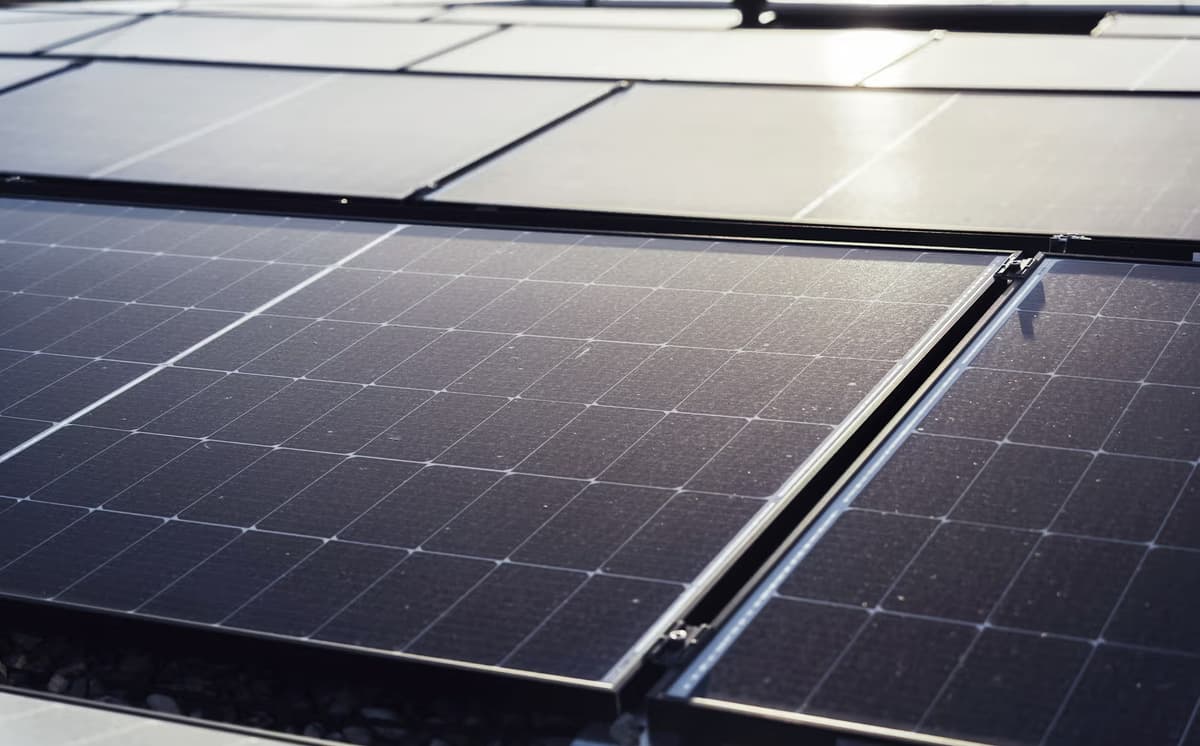
- Room for renewable supply. Solar panels are an add-on in both BioBuilds finishes. Our guide to solar panels for a passive house explains how to size them.
Whether a specific home meets the zero-emission definition depends on the national rules where it is built and on its final energy calculation. Your energy assessor confirms the rating for your design.
How much does an energy-efficient home cost?
BioBuilds publishes its prices: from €78,540 for Wanderlust 48 in Exterior Finished and from €134,470 in Turnkey, including an illustrative 19% German VAT. Transport is quoted separately for your destination, except in Ireland, where it is included. See prefab home prices for all models, or configure your home to see the price of your layout.