
BIOBUILDS
CHOOSE YOURS

Efficient

Scroll

You pay for your home twice.

Lifetime energy bill

Lifetime energy bill. Average lifetime spent on energy. €266,000.
Total€0

Average lifetime spent on energy.

Energy performance

Average EU detached home. Average annual consumption. Modular by BIOBUILDS. Average annual consumption.kWh/m² per year
Average EU detached home. Average annual consumption.
Modular by BIOBUILDS. Average annual consumption.
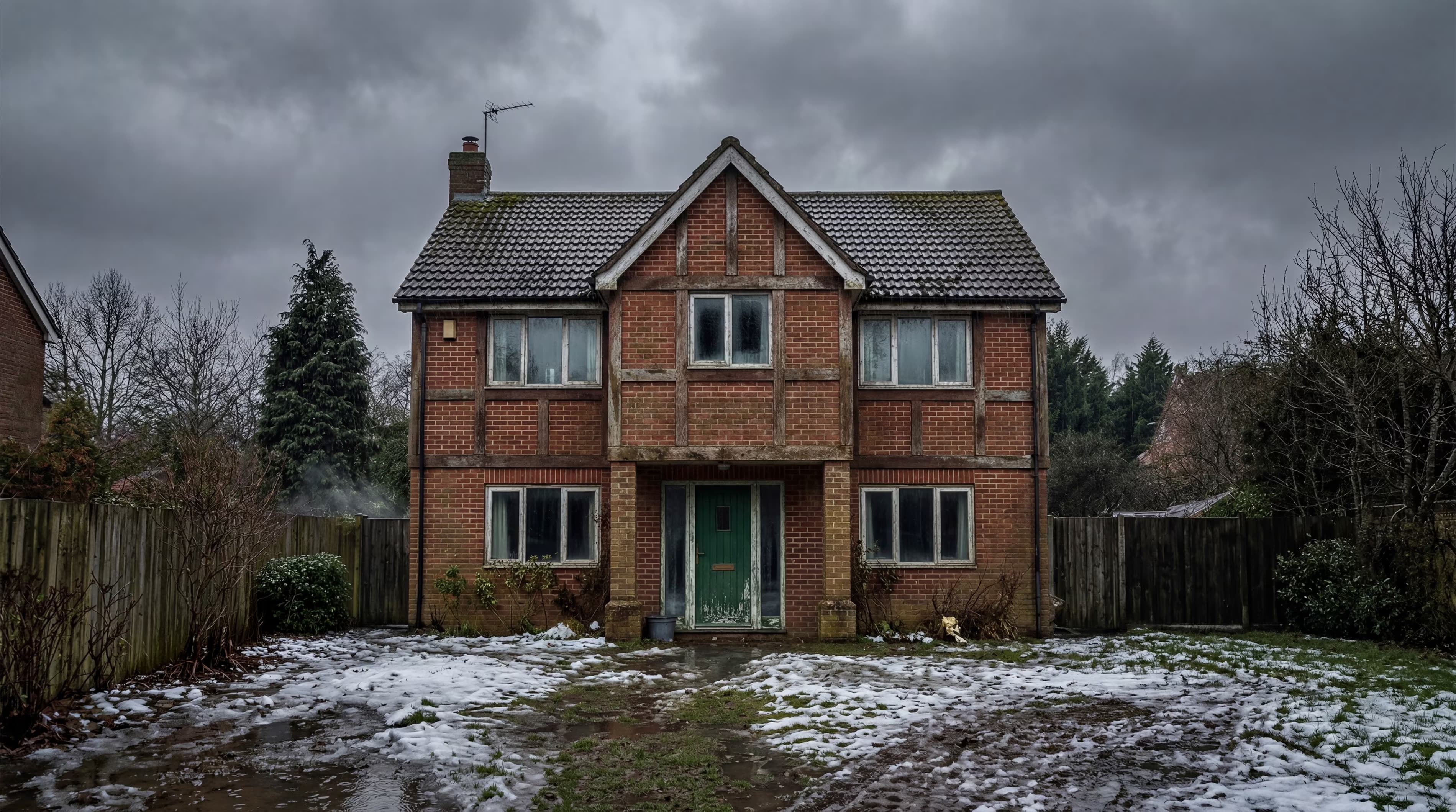
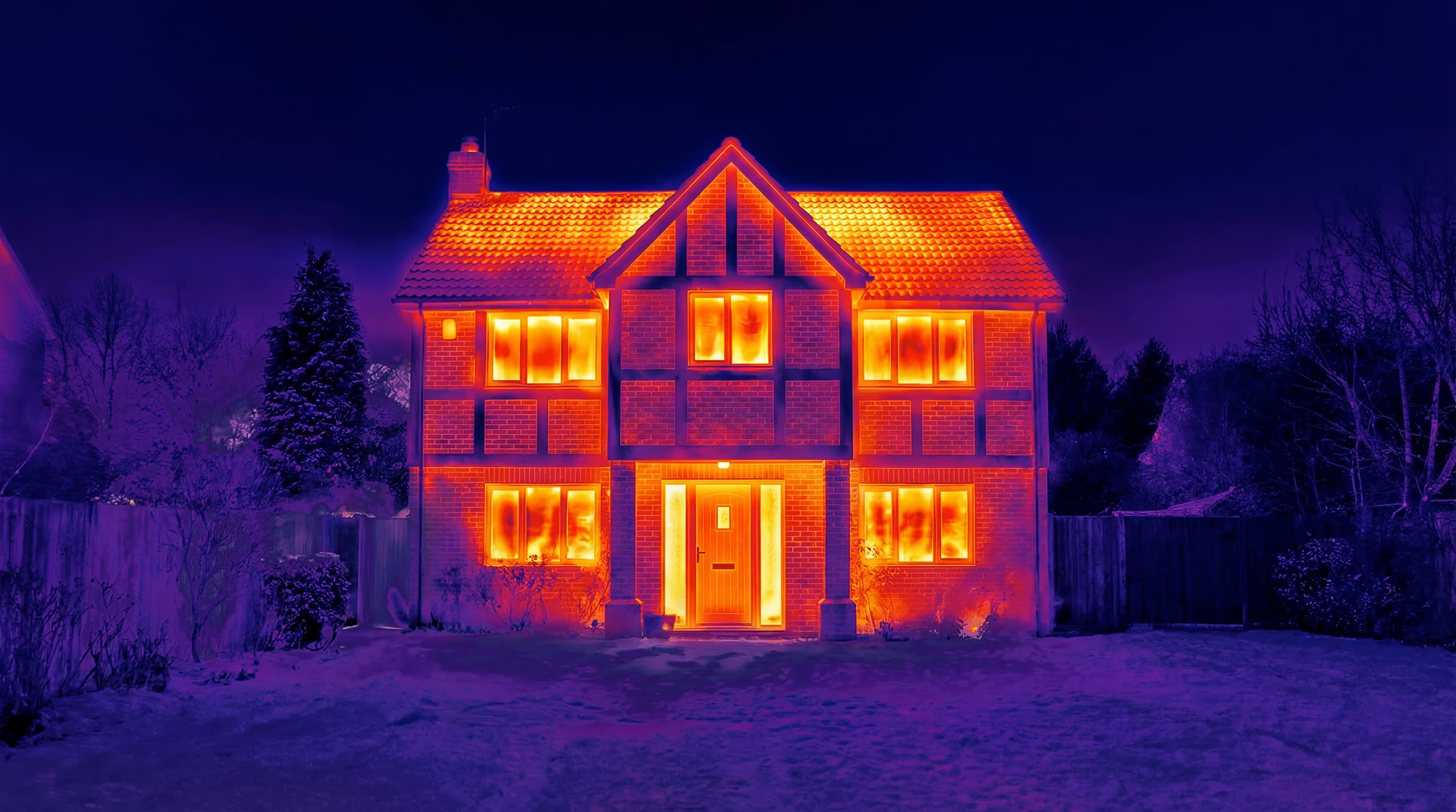
Average European detached home
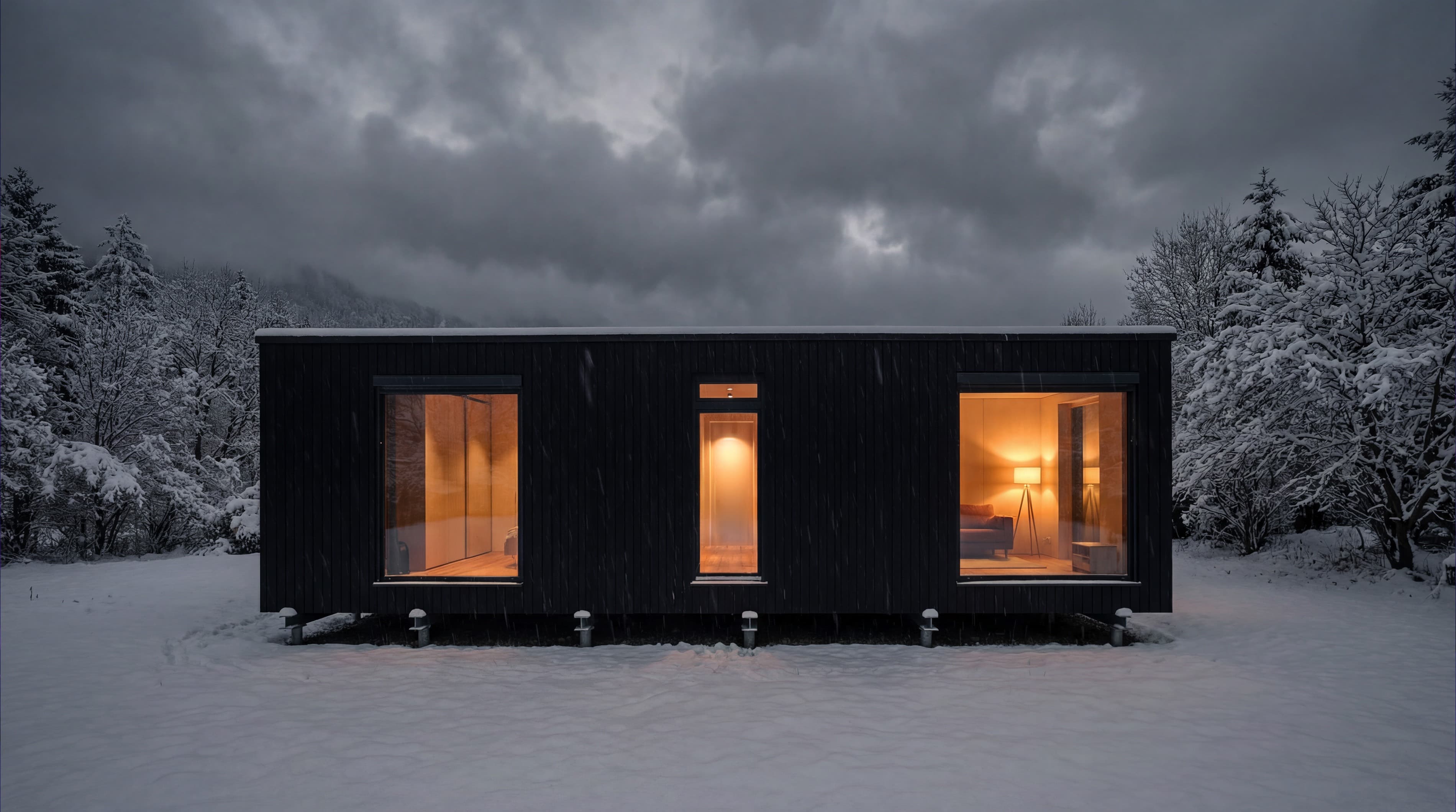
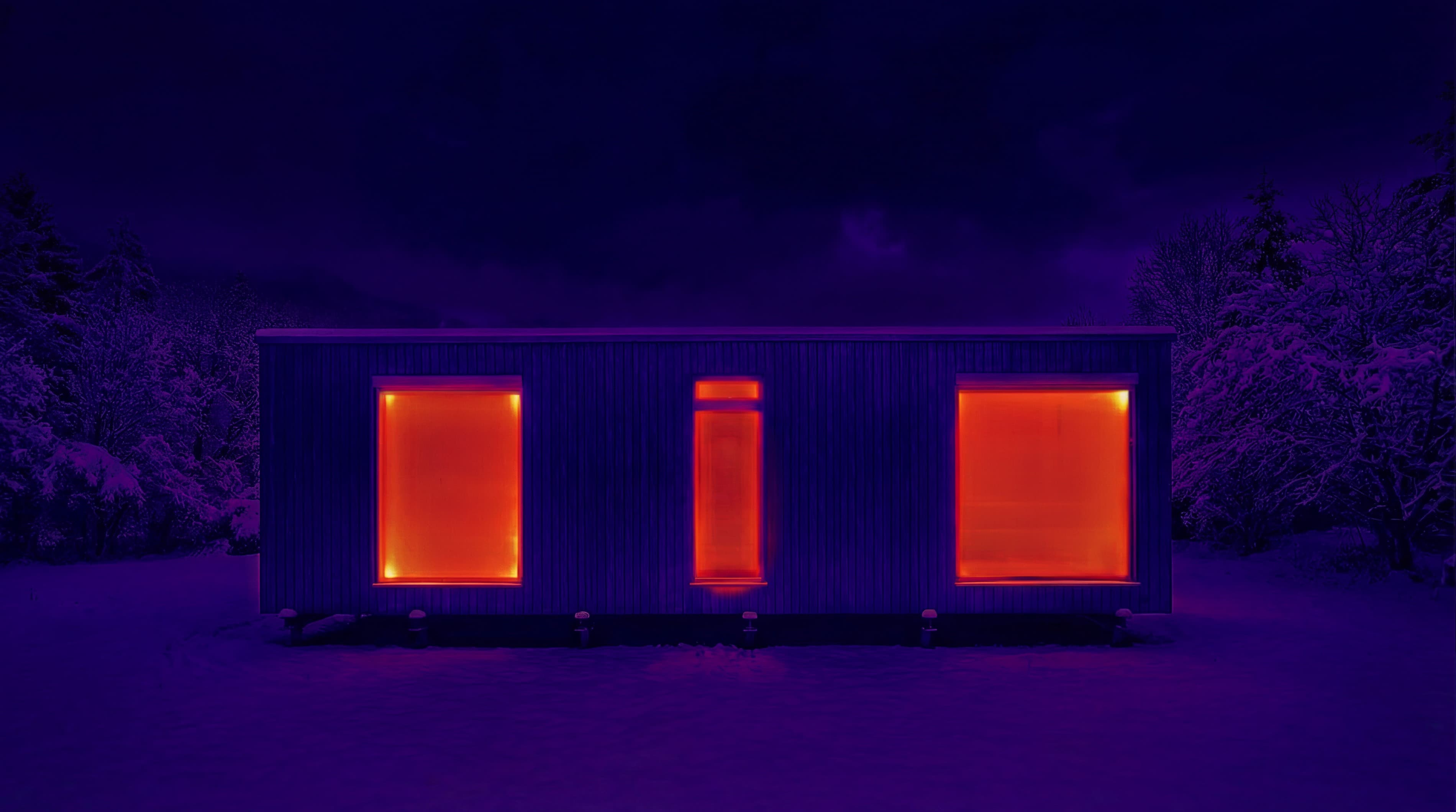
BIOBUILDS modular home in winter thermal view
Passivhaus certification badge

Certified Passivhaus, Darmstadt.

2,000+ verified parameters.

Welcome to the future of living.

The Proof

Measured, certified, and engineered to perform.

Passivhaus metrics, wall build-up, model-level savings, and documented partners, organized for quick technical review.
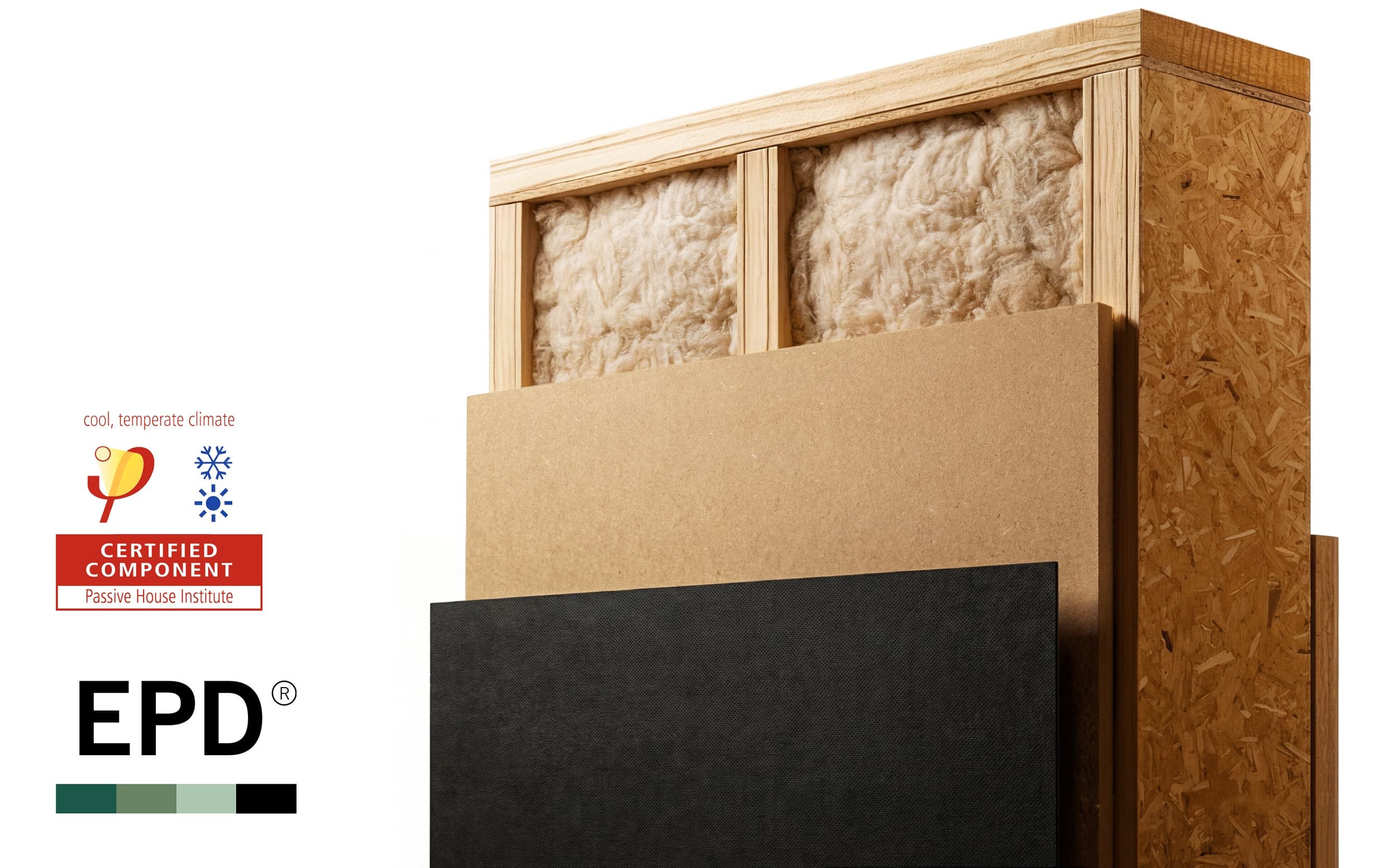
BIOBUILDS 336mm wall assembly cross-section

PERFORMANCE

Engineered to surpass 2050 EU targets. Today.

75% of EU buildings are energy-inefficient. Even new-build codes allow 45-90 kWh/m² per year. The EPBD recast demands zero-emission buildings from 2030. BIOBUILDS homes already operate at 15 kWh/m² per year.

0W/m²KWall U-value
0ACHAirtightness tested
0%Heat recovery

Performance Comparison

Wall U-value

BIOBUILDS0.14 W/m²K
nZEB≤0.30 W/m²K
EU Average0.5-1.5 W/m²K

Airtightness

BIOBUILDS<0.6 ACH
nZEB≤3.0 ACH
EU Average5-10 ACH

Heating demand

BIOBUILDS≤15 kWh/m² per year
nZEB45-90 kWh/m² per year
EU Average150-350 kWh/m² per year

Primary energy

BIOBUILDS≤90 kWh/m² per year
nZEBVaries widely
EU Average200-400 kWh/m² per year

Heat recovery

BIOBUILDSup to 95%
nZEBNot required
EU AverageNone

Thermal bridges

BIOBUILDSCertified free
nZEBTolerated
EU AverageCommon

Certification

BIOBUILDSPassivhaus System
nZEBNational standard
EU AverageNone required

All values are according to standard Passivhaus Institute simulation conditions and may vary by climate, location, orientation, and occupant behavior.

Every surface, same temperature.

Every surface, same temperature.

The entire home is wrapped in a 336mm insulation envelope, built like a thermos. Every interior surface stays within 3°C of room temperature. No cold walls, no hot ceilings. Consistent warmth you feel everywhere.

±0.5°C
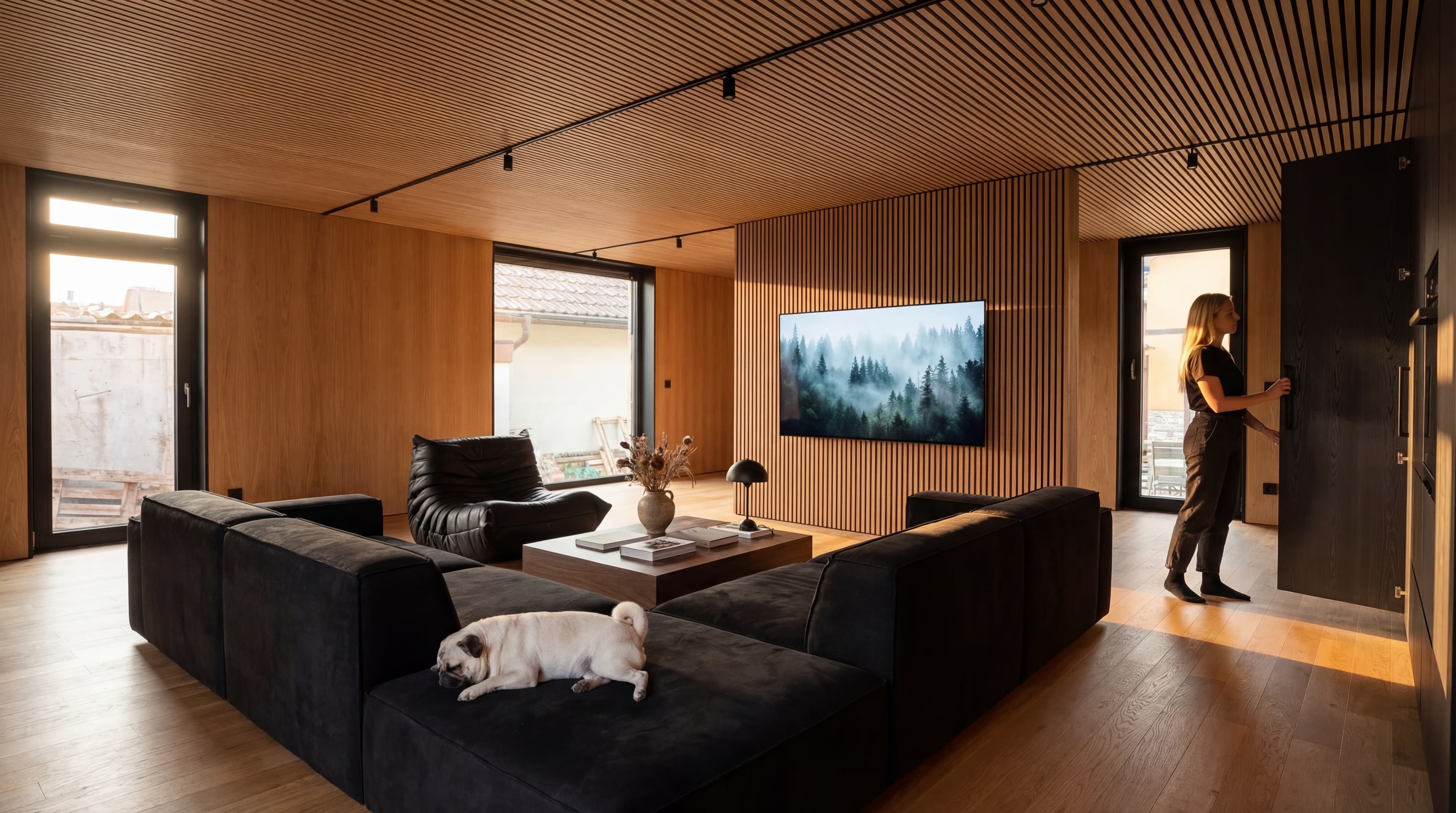
The home disappears around you.

The home disappears around you.

54 dB sound insulation absorbs traffic, weather, and neighborhood noise. Inside, the ventilation runs at whisper level. Just quiet.

54dB
The home that costs almost nothing to run.

The home that costs almost nothing to run.

Simulated at 15 kWh/m² per year by Passivhaus, versus 350 kWh/m² for a typical home, a 95% reduction. Over 50 years, that translates to tens of thousands of euros saved.

≤15kWh/m²
Built for regulations that don't exist yet.

Built for regulations that don't exist yet.

The EU requires all new buildings to be zero-emission from 2030, with a fully zero-emission building stock by 2050. BIOBUILDS homes already exceed both targets.

Certifications that matter.

Certifiedverified

Passivhaus System Certification

The MODULAR system is certified by the Passivhaus Institute from Darmstadt to the world's strictest thermal, airtightness, and ventilation standards. Over 2,000 parameters tested.

eco

EPD International

Full lifecycle transparency audited by a third party. Confirms carbon-negative at -101 kg CO2e/m² from raw material to end of life.

forest

FSC & PEFC

Chain-of-custody on all applicable timber. Timber traceable from sustainably managed European forests to your home.

Questions you might be asking.

THE SAVINGS

Up to 90% compared to the average European detached home. The average older detached home consumes 350 kWh/m² per year. A new conventional home: ~150 kWh. A BIOBUILDS Passivhaus home: 15 kWh/m² per year or less.

The exact savings depend on your country, energy prices, and what you're comparing against, but the reduction is consistently dramatic across every climate zone.

Understand the Passivhaus standard behind these numbers.

A smart ventilation system with integrated heat pump. The Passivhaus envelope, 35 cm insulated volumetric modules, triple-glazed windows, and extreme airtightness, retains so much heat that the ventilation system alone can maintain comfortable temperatures.

Triple-glazed windows act as passive solar radiators. Optional floor heating can be added for personal preference or extreme climates.

See the materials that make this possible.

Not required, but they take your home from low-energy to net-positive. Because energy demand is already so low (15 kWh/m² per year), even a modest set of solar panels generates more than you consume.

You go from being a consumer to a prosumer, producing energy instead of just using it. BIOBUILDS homes come solar-ready with infrastructure for easy panel installation.

Explore our models.

THE TECHNOLOGY

The core of Passivhaus climate control. An HRV extracts stale indoor air and passes it through a heat exchanger that captures up to 95% of heat and manages humidity. That captured energy warms the incoming fresh air.

Result: constant fresh, filtered air at stable temperature, without opening windows and without wasting energy. It runs 24/7, silently, using about the same electricity as a light bulb.

Learn how this contributes to healthy indoor air.

The home retains heat far longer than conventional construction. With 35 cm of insulation and extreme airtightness, a BIOBUILDS home in winter conditions can maintain comfortable temperatures for days without active heating.

The thermal mass of the timber structure acts as a battery, slowly releasing stored warmth. When power returns, the HRV brings the home back to optimal conditions quickly.

See the construction that makes this possible.

The same insulation that retains warmth in winter blocks heat in summer. Combined with strategic window shading, controlled ventilation (night cooling mode), and the thermal mass of timber construction, BIOBUILDS homes stay cool without conventional air conditioning.

In Mediterranean climates, supplementary cooling can be added to the ventilation system if needed.

See projects in different European climates.