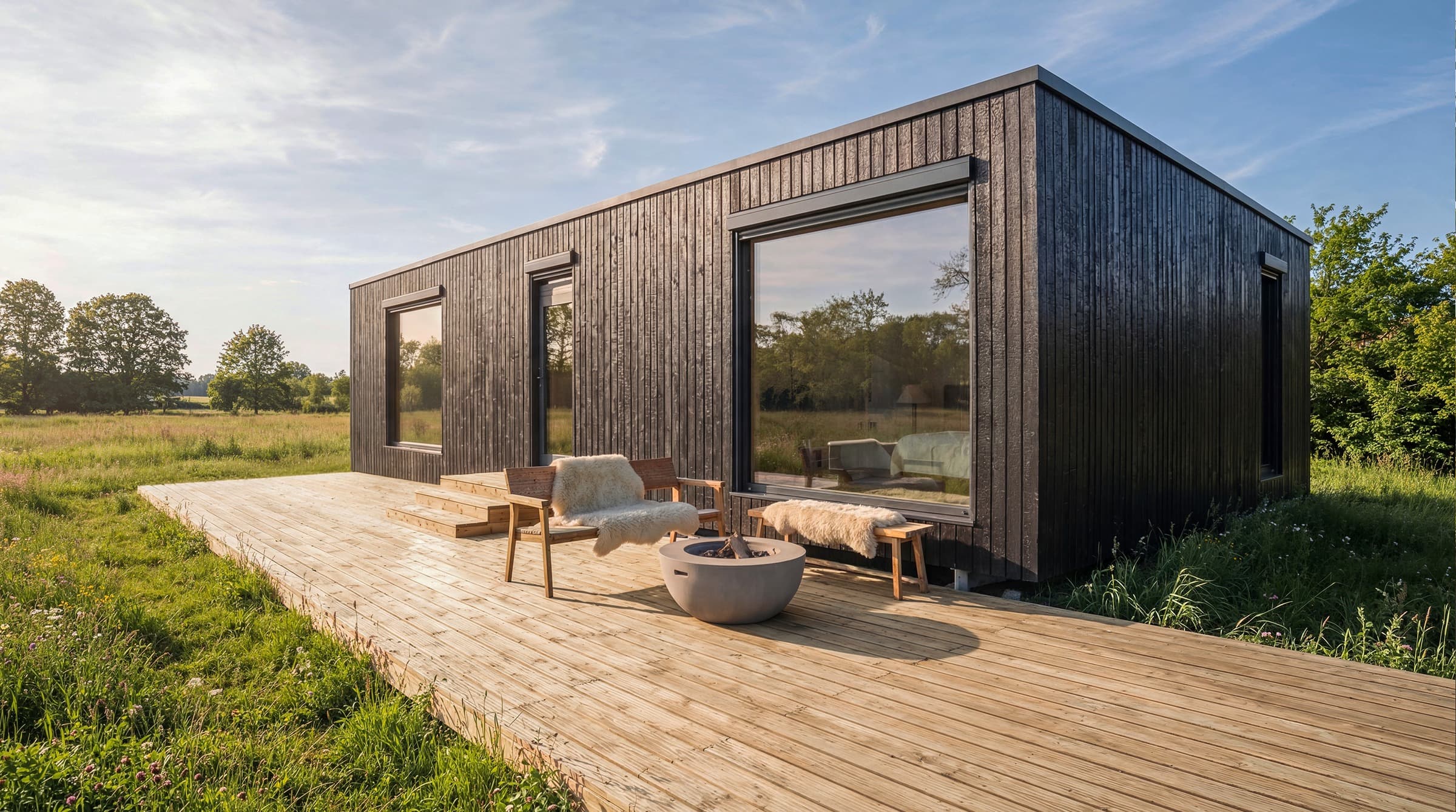
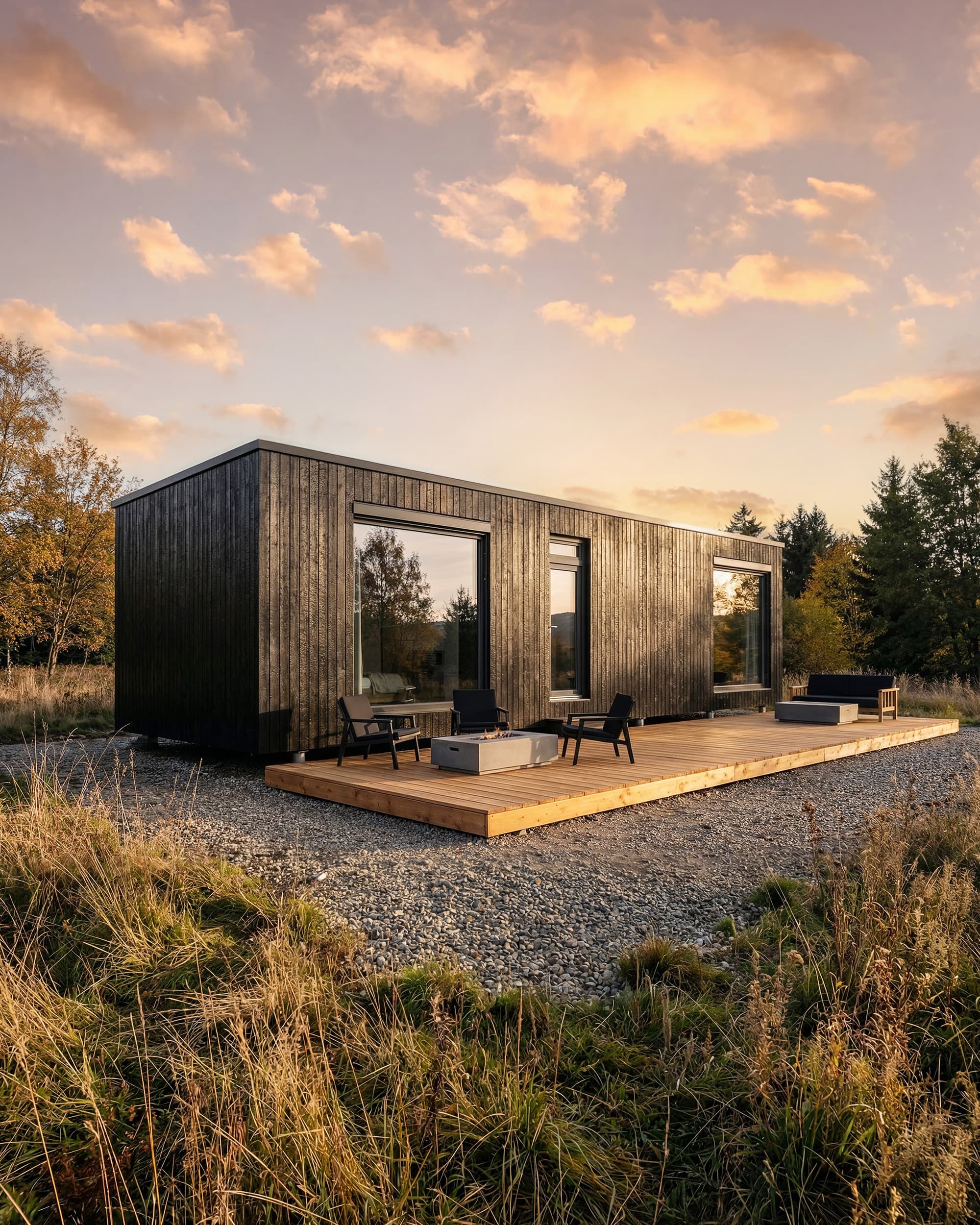
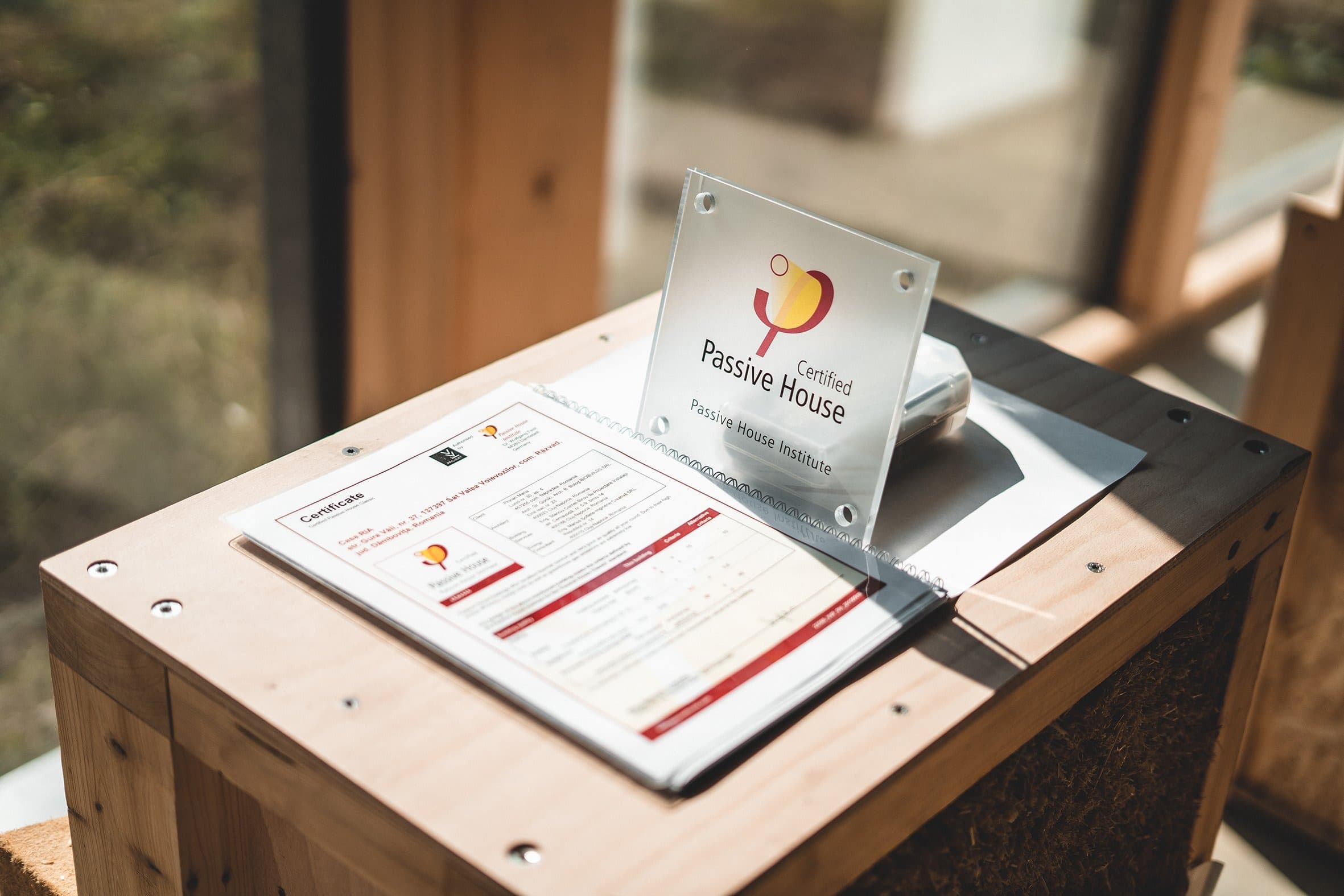
Passivhaus oferă reduceri verificate ale necesarului de încălzire de până la 95%. Clădirile nZEB performează adesea cu 30-89% sub predicțiile inițiale. Diferența-cheie este aceasta: Passivhaus cere certificare independentă și test blower door obligatoriu; nZEB se bazează în mare măsură pe auto-declarare. Pe măsură ce producția în fabrică reduce prima uzuală pentru Passivhaus, argumentul economic pentru a te opri la minimul legal nZEB devine tot mai slab.
Dacă construiești o casă în Germania, în spațiul european sau în România, ai întâlnit deja două standarde: Passivhaus și nZEB. Ambele promit eficiență energetică. Ambele pretind că reduc costurile de încălzire. Dar asemănarea se oprește aici. Unul livrează performanță verificată, cu reduceri de până la 95% ale necesarului de încălzire. Celălalt ajunge frecvent să performeze cu 30-89% sub propriile calcule. Ca să înțelegi de ce, trebuie să privești dincolo de limbajul de marketing și să vezi cum funcționează efectiv fiecare standard.
Pe scurt: nZEB (nearly Zero Energy Building) este acum minimul legal în UE -- practic nu mai poți construi sub acest nivel chiar dacă ai vrea. Passivhaus este o certificare voluntară care depășește semnificativ nZEB exact la indicatorii care contează cel mai mult: necesarul de încălzire, etanșeitatea și verificarea performanței. Întrebarea nu este dacă Passivhaus este mai bun. Întrebarea este dacă prima de cost merită. Iar pe măsură ce producția în fabrică reduce această primă, și calculul economic se schimbă.
Diferența fundamentală: filosofie, nu doar cifre
Passivhaus și nZEB reprezintă două moduri complet diferite de a gândi eficiența energetică. Passivhaus urmează o filosofie "fabric-first" -- adică reduce cât mai mult cererea de energie prin izolație excepțională, etanșeitate și recuperare de căldură înainte de a adăuga sisteme regenerabile. Standardul este consecvent la nivel internațional: ≤15 kWh/m²/an necesar de încălzire, indiferent de locație.
nZEB a apărut din Directiva UE 2010/31/EU ca un cadru flexibil, care permite fiecărui stat membru să-și definească propriile cerințe. UE descrie nZEB doar ca o clădire cu "performanță energetică foarte ridicată", unde "cantitatea aproape zero sau foarte scăzută de energie necesară trebuie acoperită în mare măsură din surse regenerabile". Această flexibilitate a produs o variație de 4-5 ori între state în ceea ce privește ceea ce este considerat nZEB.
O clădire Passivhaus va depăși automat cerințele nZEB oriunde în UE. O clădire conformă nZEB poate rămâne însă mult sub performanța Passivhaus.
Consecința practică este clară: certificarea Passivhaus garantează anumite rezultate, verificate prin testare independentă. Conformitatea nZEB garantează, în esență, doar că documentația ta respectă codul local -- nu că și clădirea va performa efectiv așa cum s-a calculat.
Cerințele tehnice comparate
Cifrele explică de ce diferența de performanță este atât de mare:
| Criteriu | Passivhaus | Germania (GEG) | Media UE (OIB) | România |
|---|---|---|---|---|
| Necesar de încălzire | ≤15 kWh/m²/an | ~40-60 kWh/m²/an | 20-35 kWh/m²/an | Fără limită explicită |
| Energie primară | ≤60 kWh/m²/an | ~40 kWh/m²/an | Variabil (fGEE) | 36-220 kWh/m²/an |
| Etanșeitate (n50) | ≤0.6 ACH | 1.5-3.0 ACH | 1.5-3.0 ACH | Nespecificată |
| Test blower door | Obligatoriu | Condiționat | Recomandat | Nu este cerut |
| MVHR obligatoriu | Da (≥75% efic.) | Nu | Uneori | Nu |
| Certificare terță parte | Obligatorie | Nu | Nu | Nu |
Criteriul de etanșeitate evidențiază cel mai bine diferența. Passivhaus cere ≤0,6 schimburi de aer pe oră la 50 Pa -- ceea ce înseamnă că o clădire trebuie să fie de 5-8 ori mai etanșă decât ceea ce permite de regulă nZEB. Fără o etanșeitate extremă, ventilația mecanică cu recuperare de căldură (MVHR) nu funcționează eficient, iar necesarul de încălzire nu poate fi redus la nivel Passivhaus, indiferent cât de groasă este izolația.
Diferența de performanță: de ce nZEB ratează des ținta
Cele mai puternice argumente pentru Passivhaus vin din monitorizarea după ocupare. Modelul este constant în sute de studii: clădirile nZEB consumă, în general, cu 30-90% mai multă energie decât predicțiile de proiect, în timp ce clădirile Passivhaus rămân, de regulă, în intervalul ±10% -- și adesea performează chiar mai bine decât s-a estimat.
Un studiu de referință din Danemarca a măsurat la o casă unifamilială nZEB un consum de 58,2 kWh/m²/an, față de o predicție de 30,8 kWh/m²/an -- adică o abatere de 89%. Cercetări din Estonia pe un bloc nZEB au arătat un consum pentru încălzire de 1,6 ori mai mare decât cel așteptat și o energie pentru apa caldă de 4,4 ori peste estimare. O meta-analiză pe 62 de clădiri a găsit o abatere medie de +34%, cu deviație standard de 55% -- ceea ce înseamnă că unele clădiri au consumat de 2,5 ori mai mult decât estimarea de proiect.
Monitorizările Passivhaus arată altceva. Cea mai mare evaluare sistematică din Marea Britanie -- 97 de locuințe în 13 situri -- a găsit un consum mediu observat pentru încălzire de 10,8 kWh/m²/an, față de 11,7 kWh/m²/an în PHPP. Diferența nu a fost semnificativă statistic, iar 75% dintre locuințe au performat chiar mai bine decât predicțiile. În districtul Bahnstadt din Heidelberg, 1.260 de apartamente au atins o medie de 14,9 kWh/m²/an -- practic exact ținta de 15 kWh/m²/an.
| Standard | Țintă de proiect | Performanță reală | Abatere |
|---|---|---|---|
| nZEB (tipic) | 30-50 kWh/m²/an | 50-90 kWh/m²/an | +30-89% |
| Passivhaus | 15 kWh/m²/an | 11-16 kWh/m²/an | ±10% |
De ce Passivhaus este atât de consecvent? Trei factori domină: testul blower door obligatoriu confirmă că etanșeitatea proiectată este și obținută; calculele PHPP au fost validate pe parcursul a trei decenii în sute de clădiri monitorizate; iar certificarea terță parte introduce un nivel de responsabilitate pe care auto-declararea nu îl poate oferi.
Diferența de performanță nu vine din intenții rele, ci din lipsa verificării. Conformitatea nZEB este verificată la stadiul de proiect și autorizație, pe baza unor calcule. Certificarea Passivhaus cere dovada că, după construcție, clădirea chiar performează așa cum a fost proiectată. Unul este o promisiune. Celălalt este un rezultat.
Cerințe pe țări
Germania: GEG stabilește minimul, KfW recompensează performanța mai ridicată
În Germania, Gebäudeenergiegesetz (GEG) cere ca toate clădirile noi să atingă aproximativ 55% din energia primară a unei clădiri de referință -- ceea ce face ca fostul standard "Effizienzhaus 55" să fie, din ianuarie 2023, minimul de cod. Toate sistemele noi de încălzire trebuie să utilizeze cel puțin 65% energie regenerabilă.
Pentru performanțe peste minimul GEG, sistemul KfW Effizienzhaus oferă stimulente. Clădirile KfW 40 pot primi până la 150.000 € în credite subvenționate pe unitate, cu certificare QNG. Unele orașe merg și mai departe: Heidelberg cere Passivhaus pentru toate clădirile municipale și în întreg districtul Bahnstadt -- în prezent cea mai mare așezare Passivhaus din lume, cu peste 1.400 de unități. Frankfurt cere Passivhaus pentru clădirile municipale încă din 2007.
Media UE: lider european pentru Passivhaus
Spațiul european are cea mai mare concentrație de clădiri Passivhaus la nivel mondial pe cap de locuitor -- peste 14.000 de clădiri. Această piață matură înseamnă că echipele experimentate ajung la certificare cu o primă de doar 3-8% față de construcția la minimul de cod.
OIB-Richtlinie 6 definește cerințele nZEB printr-o formulă care duce, pentru case unifamiliale tipice, la aproximativ 25 kWh/m²/an necesar de încălzire -- mai strict decât Germania, dar încă cu 67% peste Passivhaus. Vorarlberg a mers atât de departe încât, istoric, a acordat subvenții pentru locuințe doar clădirilor care atingeau standardul Passivhaus, făcând economic aproape irațional să construiești la un nivel inferior.
România: conformitate legală ≠ performanță reală
România a introdus cerințele nZEB conform calendarului european -- obligatorii pentru toate clădirile noi din ianuarie 2021. Totuși, distanța dintre cerința legală și realitatea din execuție rămâne semnificativă.
nZEB în România permite caselor unifamiliale din cea mai rece zonă climatică să ajungă până la 280 kWh/m²/an energie primară și să fie în continuare conforme -- adică aproape de 20 de ori peste limita de încălzire Passivhaus. Și mai important, România nu impune o cerință explicită de etanșeitate. Cercetările arată că doar 5% dintre achizitorii publici înțeleg cu adevărat conceptele nZEB, iar Inspectoratul de Stat în Construcții face doar controale aleatorii la rezidențial.
Adopția Passivhaus în România este încă redusă, cu doar aproximativ trei certificatori PHI pentru clădiri la nivel național. Tocmai aici producția modulară schimbă ecuația -- BIOBUILDS integrează întregul lanț de execuție cu componente certificate PHI și echipe instruite, țintind etanșeitate de nivel Passivhaus prin execuție controlată în fabrică.
Comparația de cost: prima s-a prăbușit
Argumentul clasic împotriva Passivhaus era costul. Acest argument este din ce în ce mai depășit.
| Standard | Primă față de convențional | Necesar de încălzire | Performanță verificată |
|---|---|---|---|
| nZEB (minimul legal) | 0% (obligatoriu prin lege) | ~50-100 kWh/m²/an tipic | Nu |
| Passivhaus tradițional | 10-20% | țintă ≤15 kWh/m²/an | Da |
| BIOBUILDS Passivhaus | Mai redus decât multe proiecte pe șantier | țintă ≤15 kWh/m²/an | Da |
nZEB este acum minimul legal -- deci prima este 0% pentru că nu mai poți construi sub acest prag. Passivhaus tradițional realizat pe șantier adaugă în general 10-20% în piețe imature precum România și 5-10% în Germania și piețele mature din UE. Modelul lean de producție BIOBUILDS poate reduce semnificativ această primă prin standardizarea detaliilor, reducerea riscului pe șantier și limitarea expunerii la costul forței de muncă, mai ales în piețele DACH.
Calculul este simplu: pentru o creștere de cost de circa 5%, obții facturi la încălzire de până la 95% mai mici, performanță verificată în loc de calcule optimiste și o clădire care depășește deja cerințele europene din 2030 și ulterior.
Economiile de operare întăresc argumentul. Casele Passivhaus țintesc ≤15 kWh/m²/an pentru încălzire, în timp ce clădirile construite doar la minimul nZEB sunt, de regulă, mult peste acest prag, în funcție de țară. Pe durata unui credit ipotecar de 30 de ani, această diferență de performanță se transformă într-un avantaj semnificativ de cost total de exploatare, chiar dacă rezultatul exact în euro depinde de prețul energiei și de climă.
Reglementările viitoare: ZEB 2030 schimbă totul
Reformularea EPBD 2024 introduce cerințele pentru clădiri cu emisii zero (ZEB), care vor înlocui nZEB:
- Ianuarie 2028: toate clădirile publice noi trebuie să fie ZEB
- Ianuarie 2030: toate clădirile noi trebuie să fie ZEB
- Până în 2050: întregul fond construit al UE trebuie să devină ZEB
Cerințele ZEB includ zero emisii de carbon la fața locului din combustibili fosili, raportare privind carbonul pe întreg ciclul de viață și performanță energetică cu cel puțin 10% mai bună decât actualul nZEB. Eliminarea treptată a centralelor pe combustibili fosili are ca țintă 2040.
Cum se poziționează standardele actuale față de acest viitor?
Passivhaus Plus și Premium -- care cer producție regenerabilă de ≥60 și ≥120 kWh/m²/an -- sunt practic pregătite pentru ZEB încă de astăzi. Clădirile Passivhaus Classic au nevoie, de regulă, doar de un sistem fotovoltaic mic pentru a atinge criteriile ZEB.
Clădirile nZEB actuale au de făcut modernizări mai consistente. Cele care se bazează mai ales pe compensări din regenerabile, și mai puțin pe performanța anvelopei, pot avea nevoie de îmbunătățiri ale anvelopei plus înlocuirea sistemelor pe combustibili fosili. A construi la minimul de cod în 2026 înseamnă, practic, a construi la un standard deja programat pentru înlocuire până în 2030.
Clădirile construite astăzi vor rămâne în picioare 50-100 de ani. A construi doar la minimul nZEB înseamnă a construi la un standard care are deja data de expirare stabilită. Passivhaus depășește încă de acum cerințele ZEB -- fără retrofit când reglementările devin mai dure.
Ce ar trebui să construiești?
Decizia este mai simplă decât par detaliile tehnice:
Construiește Passivhaus dacă:
- vrei performanță garantată, nu doar calcule frumoase
- vei deține clădirea cel puțin 10 ani
- te interesează calitatea aerului interior și confortul termic
- preferi să rezolvi de pe acum viitoarele reglementări, nu să retrofit-ezi ulterior
nZEB minim poate fi suficient dacă:
- constrângerile de buget sunt absolute și nu permit o specificație superioară
- proiectul este speculativ, nu pentru ocupare proprie
- accepți riscul unei diferențe de 30-89% între calcul și consumul real
Dar realitatea este aceasta: odată ce producția de tip BIOBUILDS reduce prima uzuală pentru Passivhaus, argumentul economic pentru nZEB minim slăbește vizibil. Practic alegi între o clădire care ar putea performa așa cum a fost proiectată și una despre care știm deja că va performa așa cum a fost proiectată.
| Factor | nZEB | Passivhaus | Câștigător |
|---|---|---|---|
| Cost de construcție | Referință | Mai mare la început | nZEB (marginal) |
| Necesar de încălzire | ~50-100 kWh/m²/an tipic | țintă ≤15 kWh/m²/an | Passivhaus |
| Certitudine de performanță | Risc de abatere 30-89% | ±10% verificat | Passivhaus |
| Calitatea aerului | Variabilă | MVHR filtrat | Passivhaus |
| Conformitate 2030 | Poate cere retrofit | Depășește deja cerințele | Passivhaus |
| Valoare de revânzare | Standard | +5-15% primă | Passivhaus |
Datele privind diferența de performanță sunt concludente: a construi la standard Passivhaus înseamnă să știi, cu un grad ridicat de încredere validat pe mii de clădiri monitorizate, cum va arăta consumul real. A construi doar la minimul nZEB înseamnă să accepți o doză mare de incertitudine -- iar istoria ne arată că rezultatul real va dezamăgi, de multe ori.
În condițiile în care producția modulară reduce o mare parte din prima tradițională Passivhaus, întrebarea nu mai este doar "Îmi permit Passivhaus?" Este și "Îmi permit incertitudinea unei soluții inferioare?"