
Designer
- Scope of review
- Design knowledge
- How
- Exam assessment
- Applies to every system built
- remove
- BioBuilds
- remove
Certified for exceptional efficiency
heating per year, at most
parameters tracked for certification
of the standard, since 1991
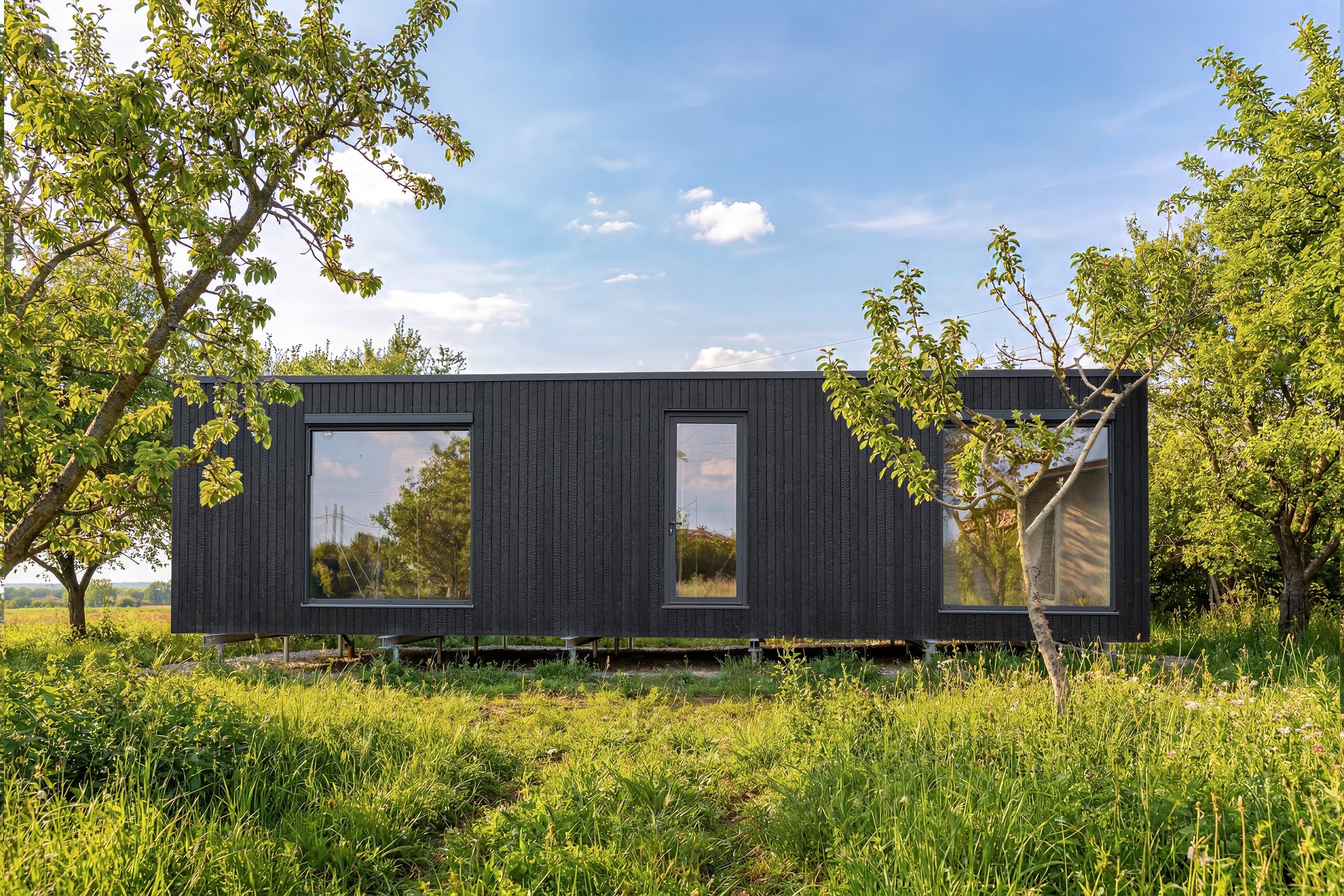
Passivhaus is the pinnacle of modern construction engineering, yet it rests on simple principles: super-insulation, triple glazing, ventilation with heat recovery, airtightness and no thermal bridges.
Together they push energy efficiency so far that sunlight, recovered heat and everyday appliances are nearly enough to cover the home's heating needs!

Principle 1
Up to 10x lower heating demand than older traditional homes. Continuous superinsulation across the entire building envelope sharply cuts heating demand. The home holds its temperature for longer.
Up to 90% less heating energy than older traditional homes, according to the Passive House Institute.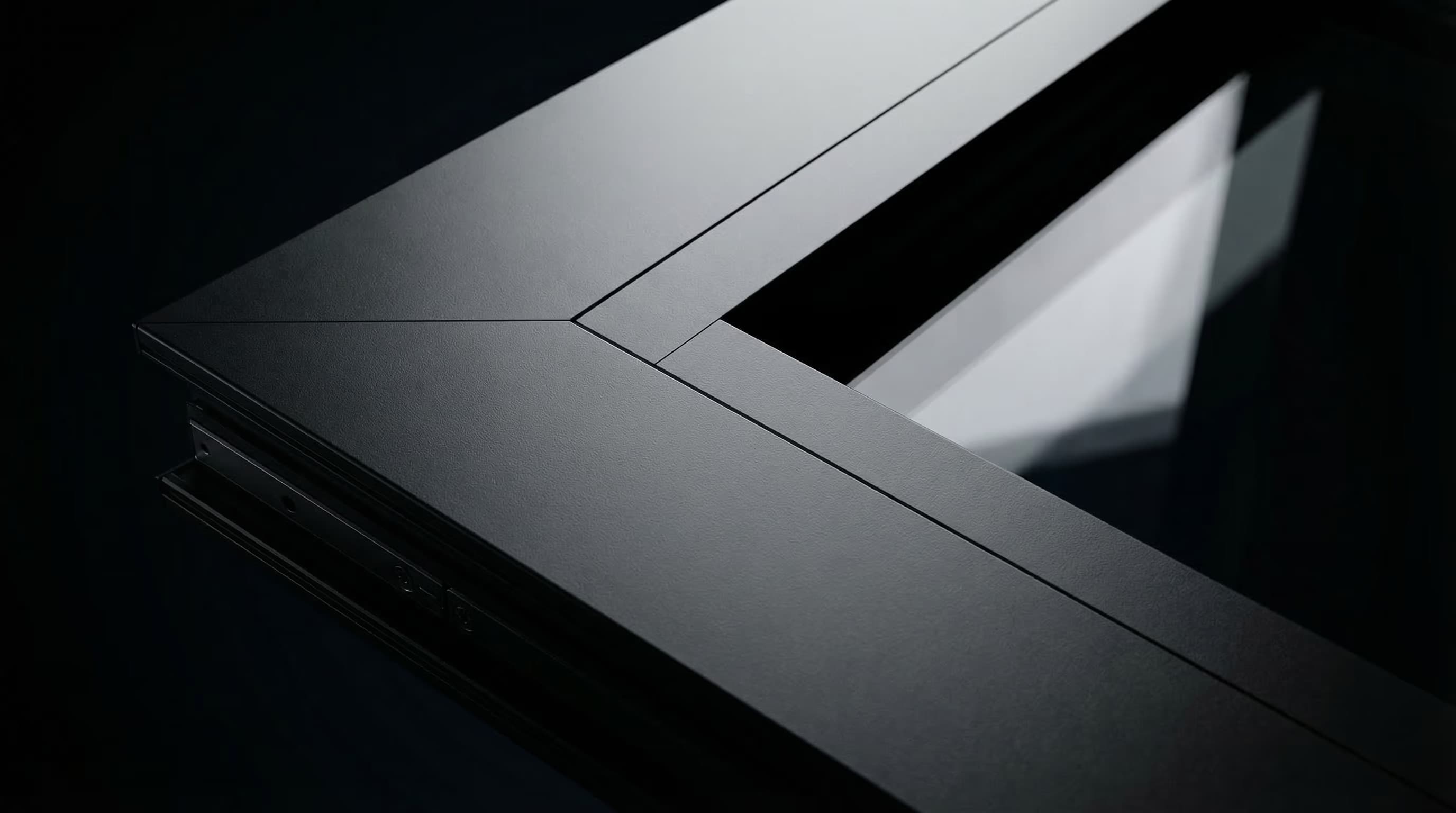
Principle 2
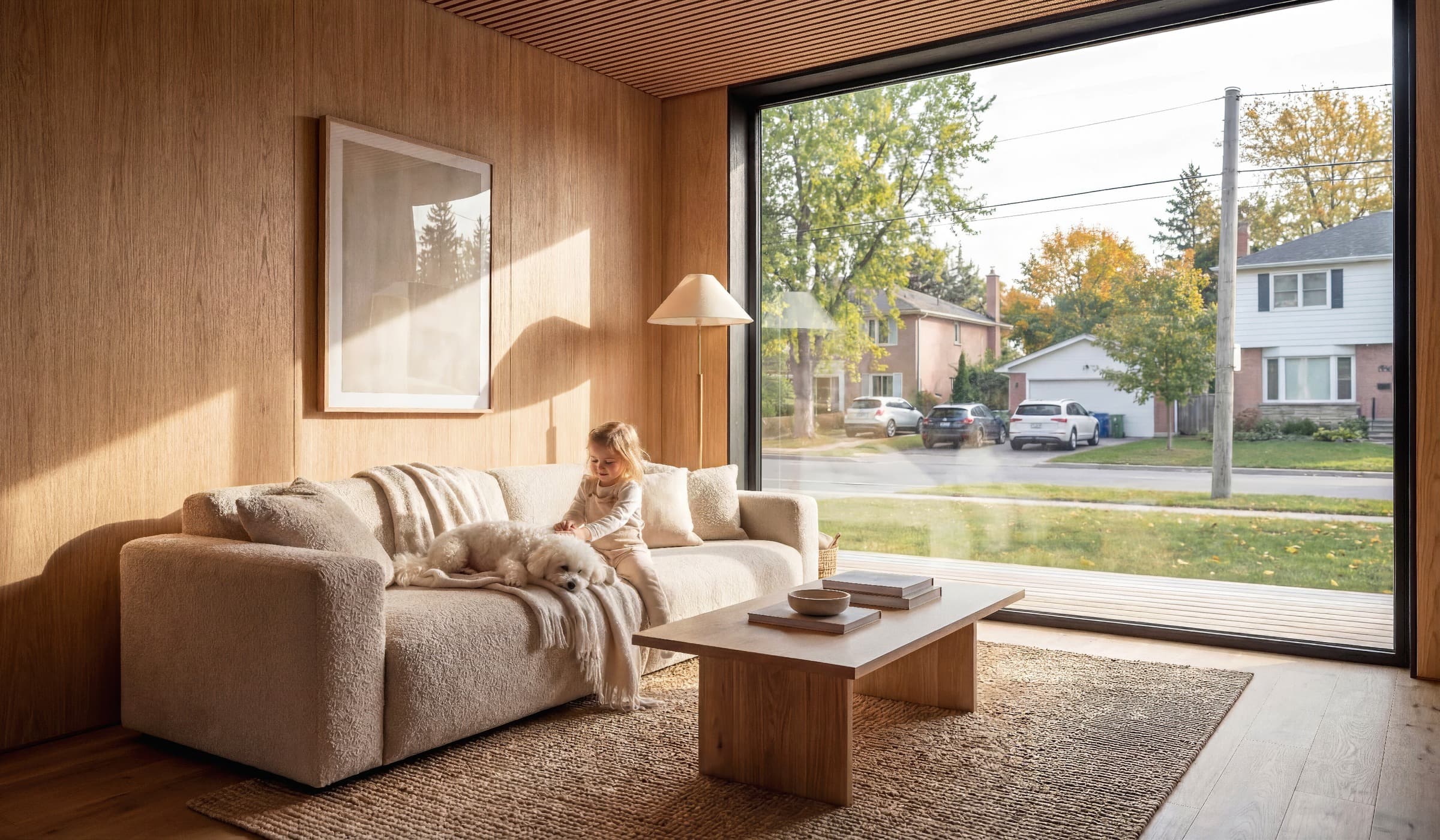
Winter sunlight becomes useful heat. Superinsulated frames and triple glazing keep heat loss exceptionally low.
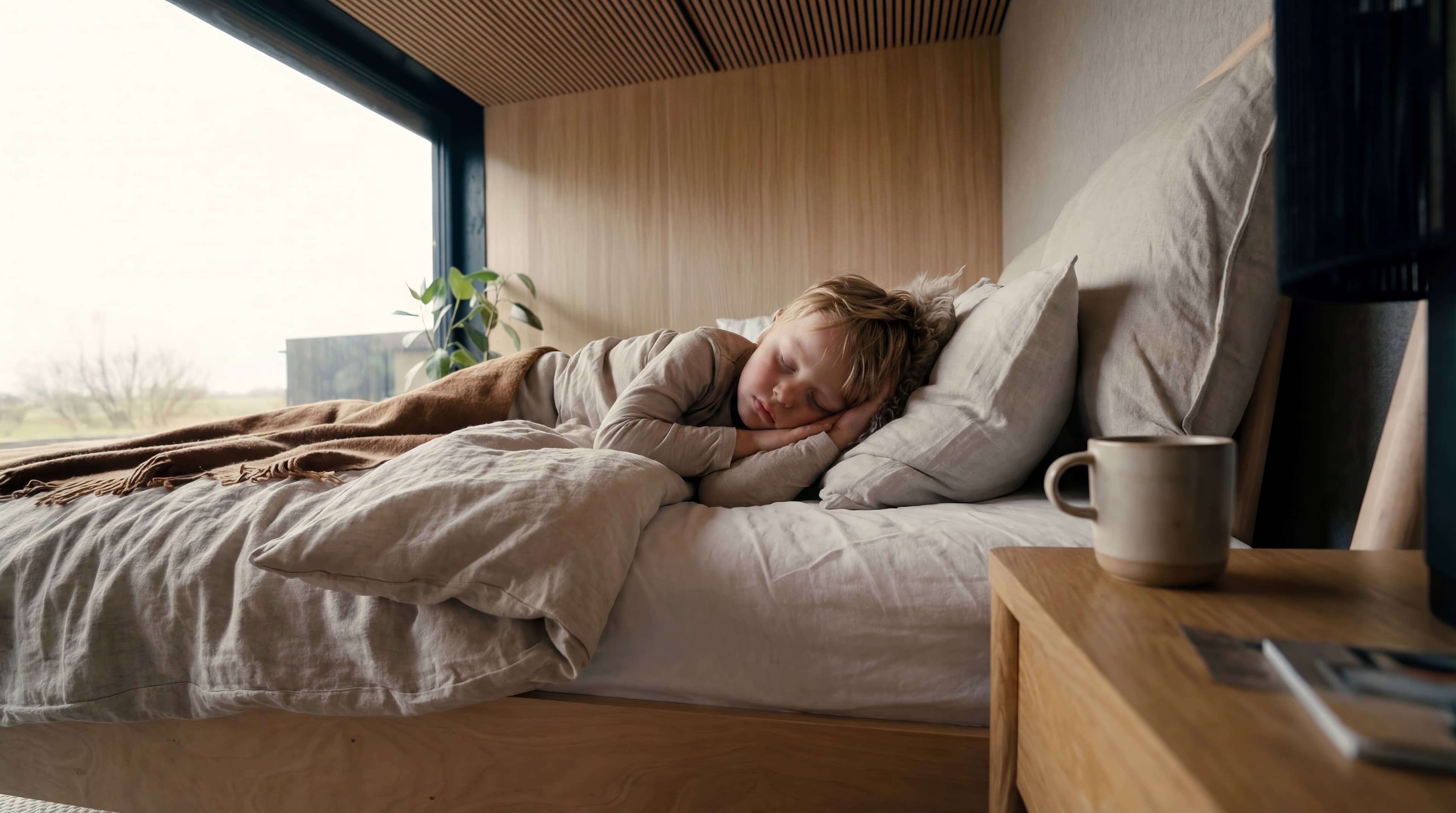
Principle 3
Breathe air up to 30× cleaner than in a standard home. Smart heat recovery ventilation can be paired with a heat pump. Fresh, filtered air around the clock, with leading systems recovering up to 96% of the heat from outgoing air.
Equipment example: Zehnder ComfoAir Q, with up to 96% heat recovery.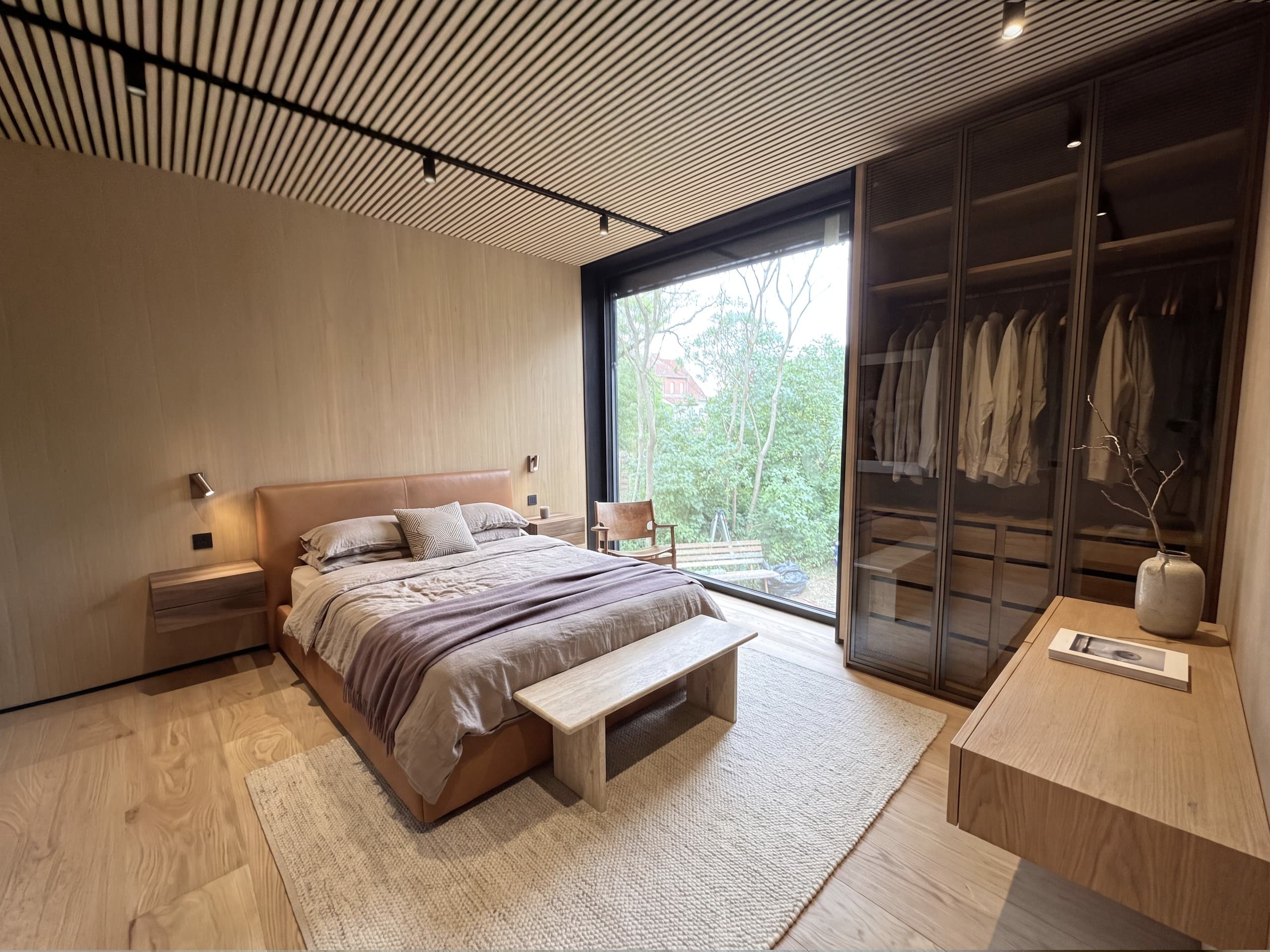
Principle 4
Up to 20x more airtight than older traditional homes. A precisely sealed envelope sharply reduces draughts and uncontrolled heat loss. Pressure-tested to prove its performance.
20x comparison: an older-home reference of 12 air changes/hour versus the Passivhaus limit of 0.6, both at 50 Pa.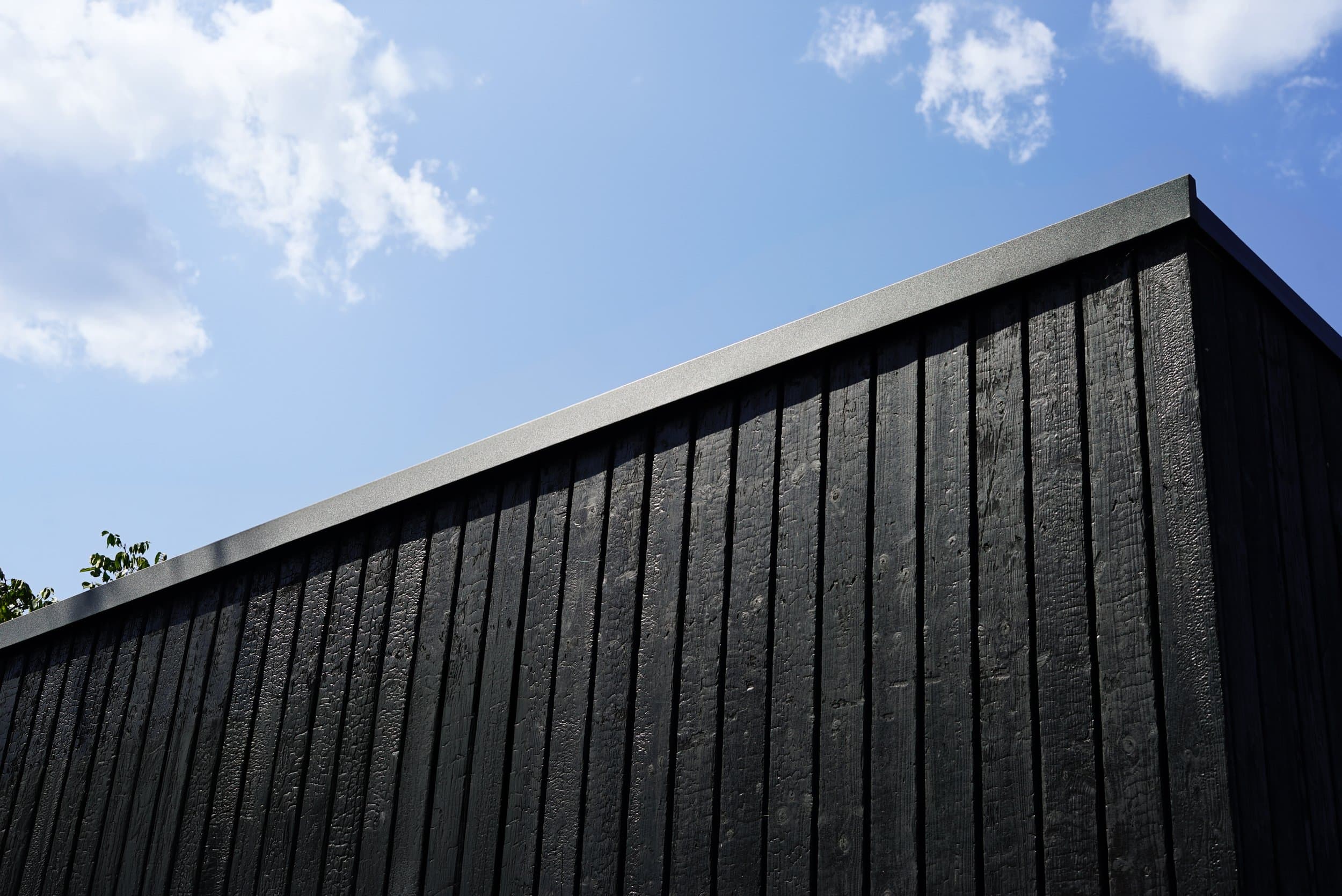
Principle 5
Thermal weak points eliminated through modern engineering, preserving consistent insulation performance across the entire building.

Principle 6
Passivhaus design adapts to the local climate, from polar regions to the tropics. Insulation, glazing and ventilation are specified for the location to meet the standard's requirements.
The Passive House Institute certifies designers, buildings and components, each against its own criteria.


| Designer | Building | Component | |
|---|---|---|---|
| Scope of review | Design knowledge | A completed building | A complete system |
| How | Exam assessment | Review and tests | Technical assessment |
| Applies to every system built | remove | remove | check |
| BioBuilds | remove | remove | check |
1988
Wolfgang Feist and Bo Adamson develop the idea of a home heated through its fresh air supply.
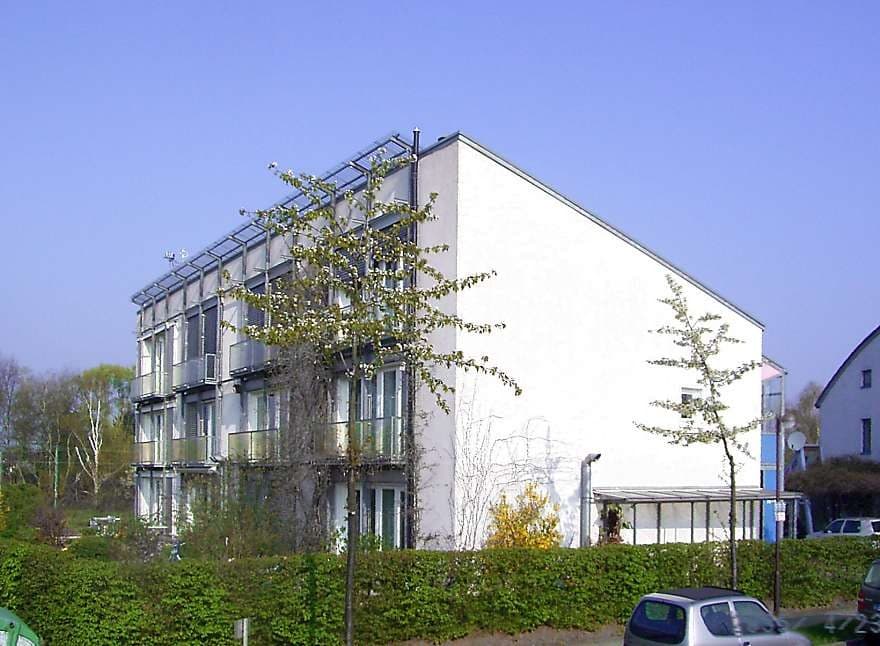
1991
The first four Passive House homes were built and occupied in Darmstadt-Kranichstein in 1991. Their performance has been monitored ever since.
1996
The Passive House Institute opens in Darmstadt to develop the research and certify performance.
2015
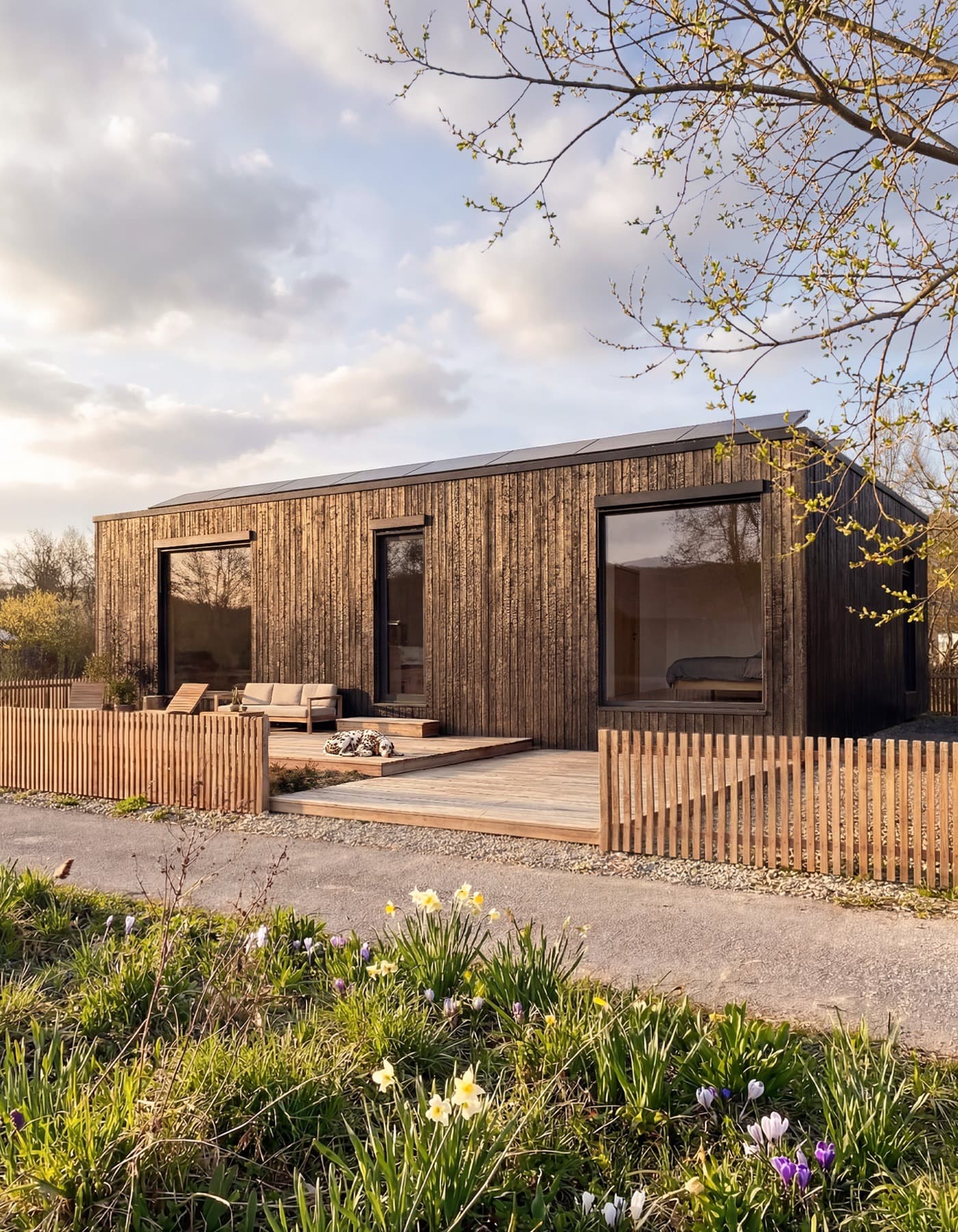
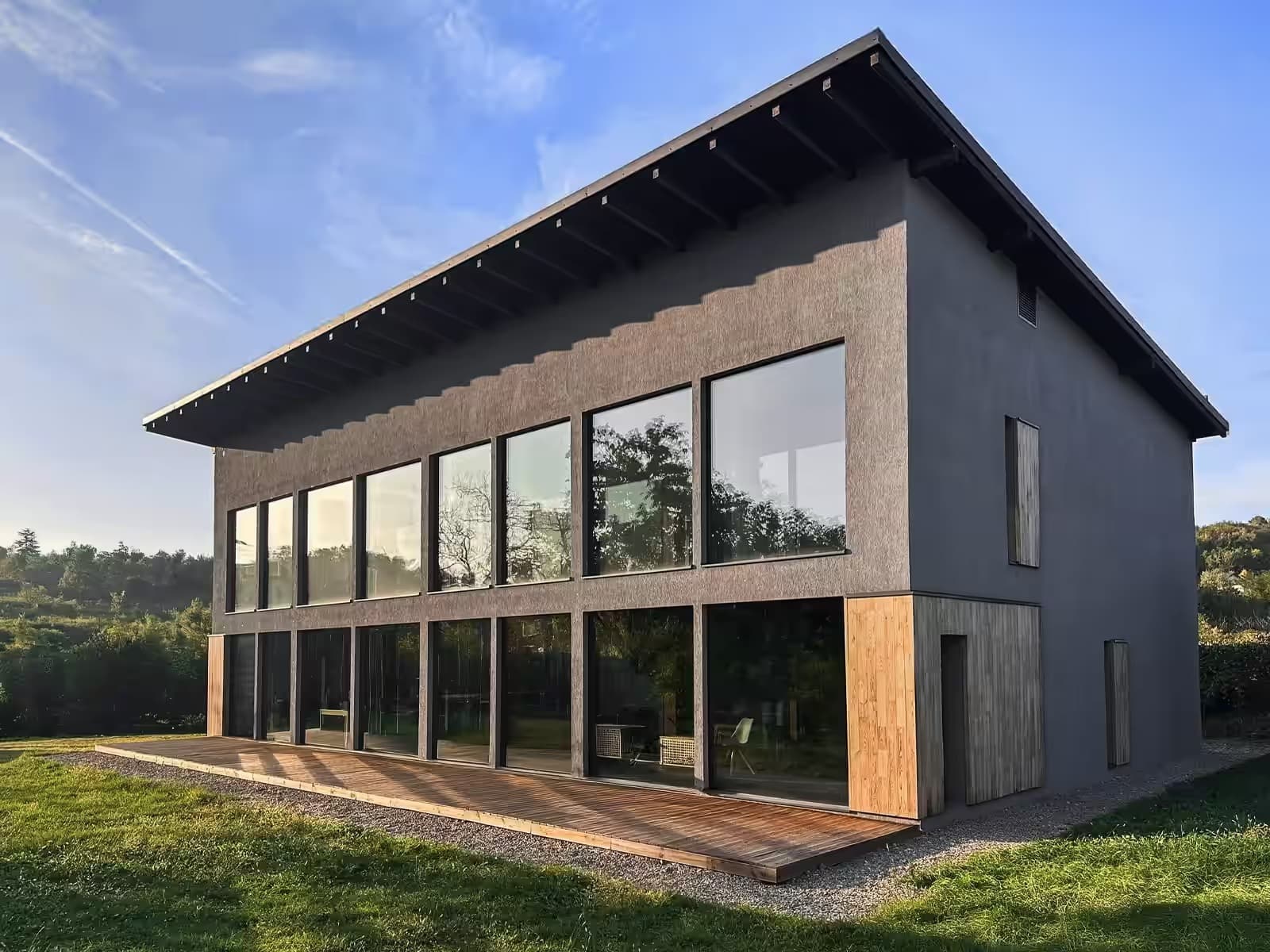
Our first home. Measured at about 2 kWh/m² a year, ranked by some institutes as the most efficient prefab house in the world.
2023
The wall, roof and floor receive certification as one system for the cool, temperate climate.
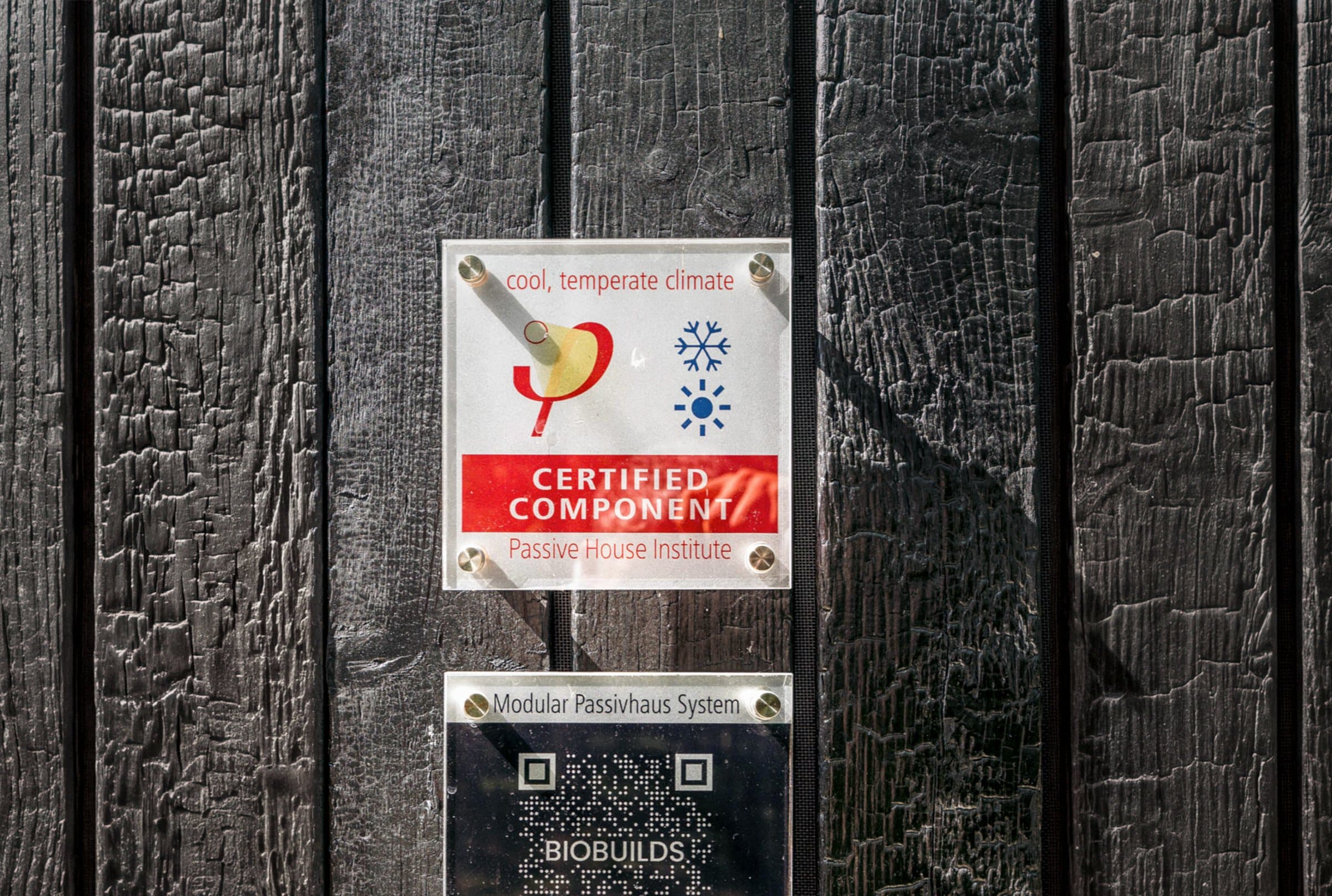
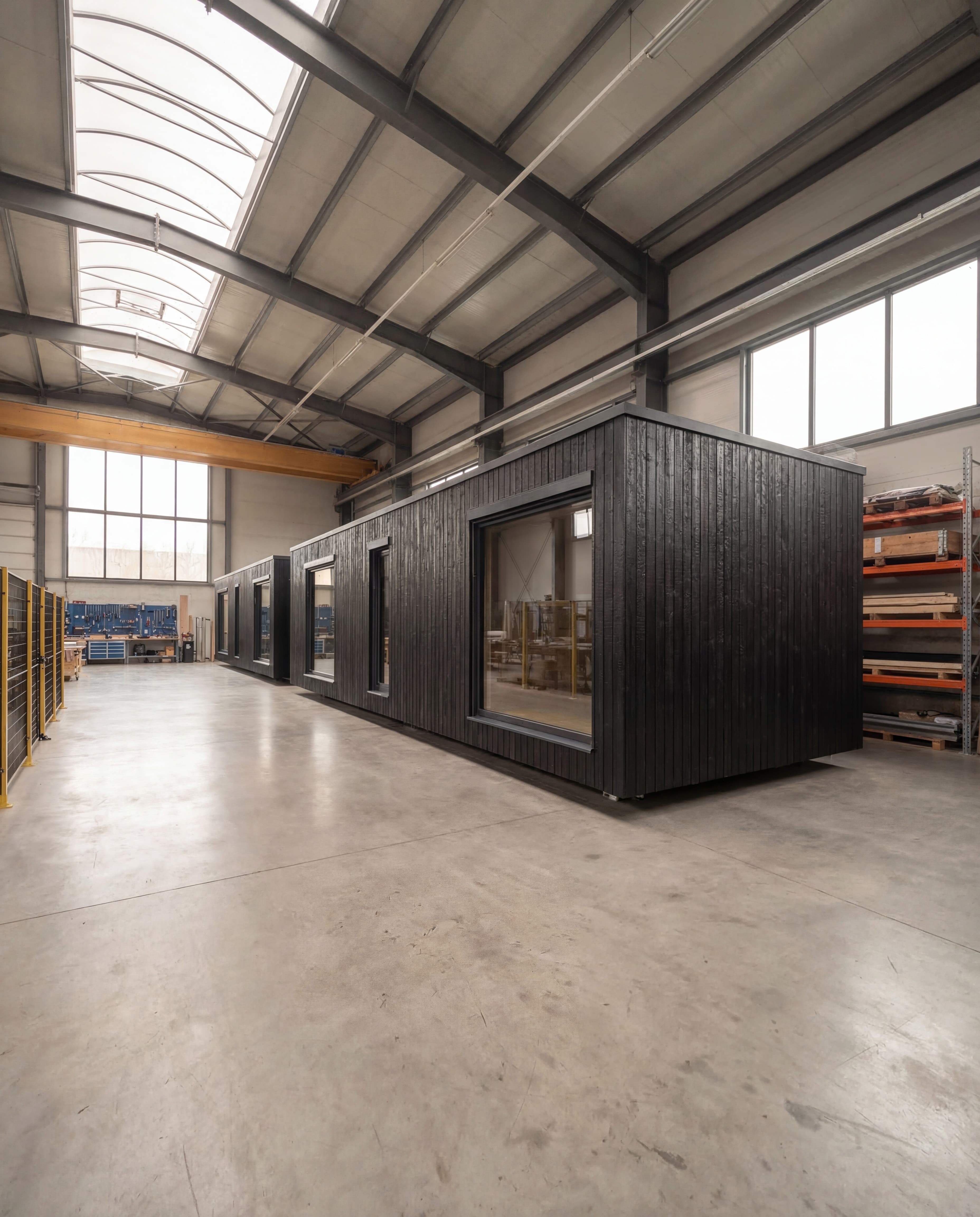
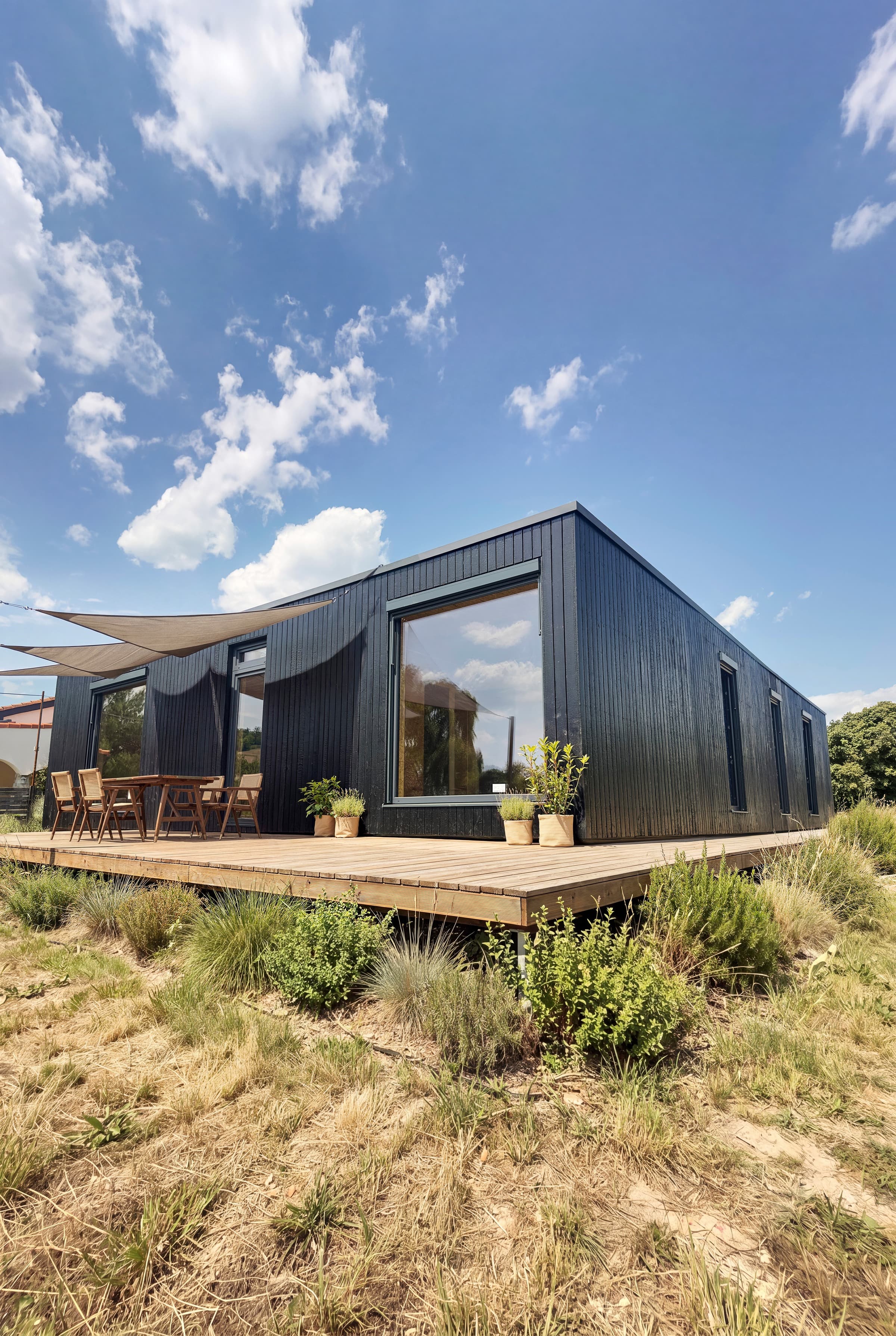
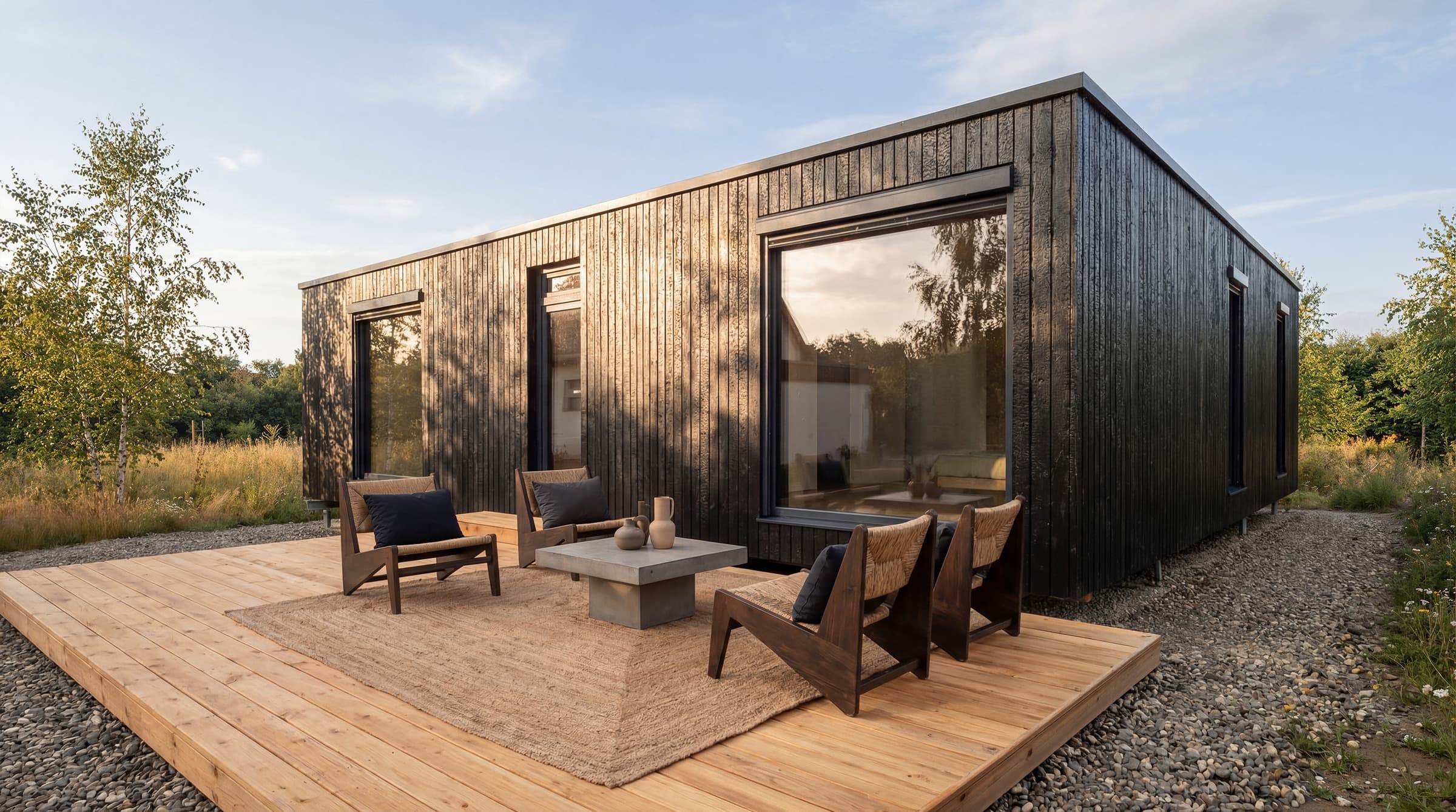
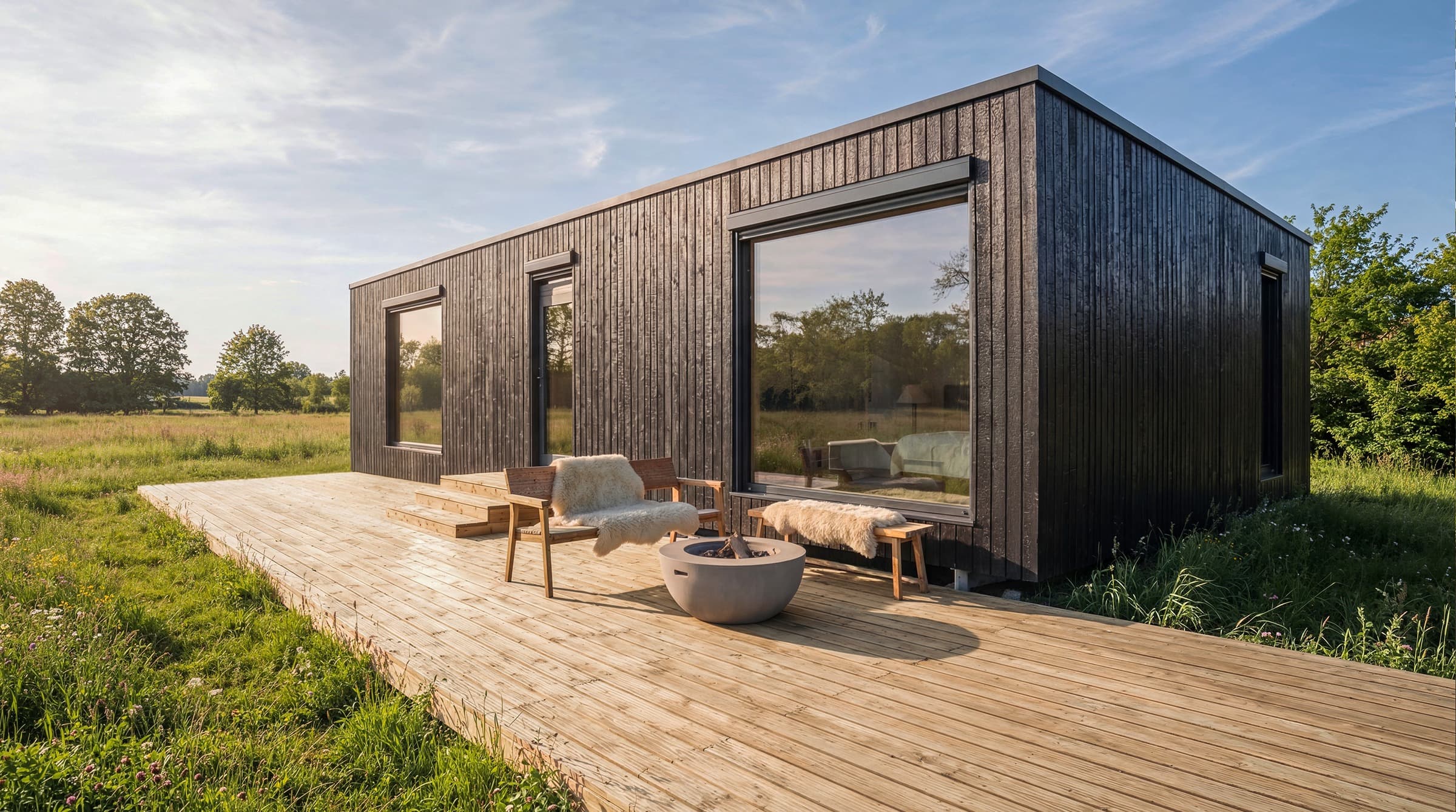
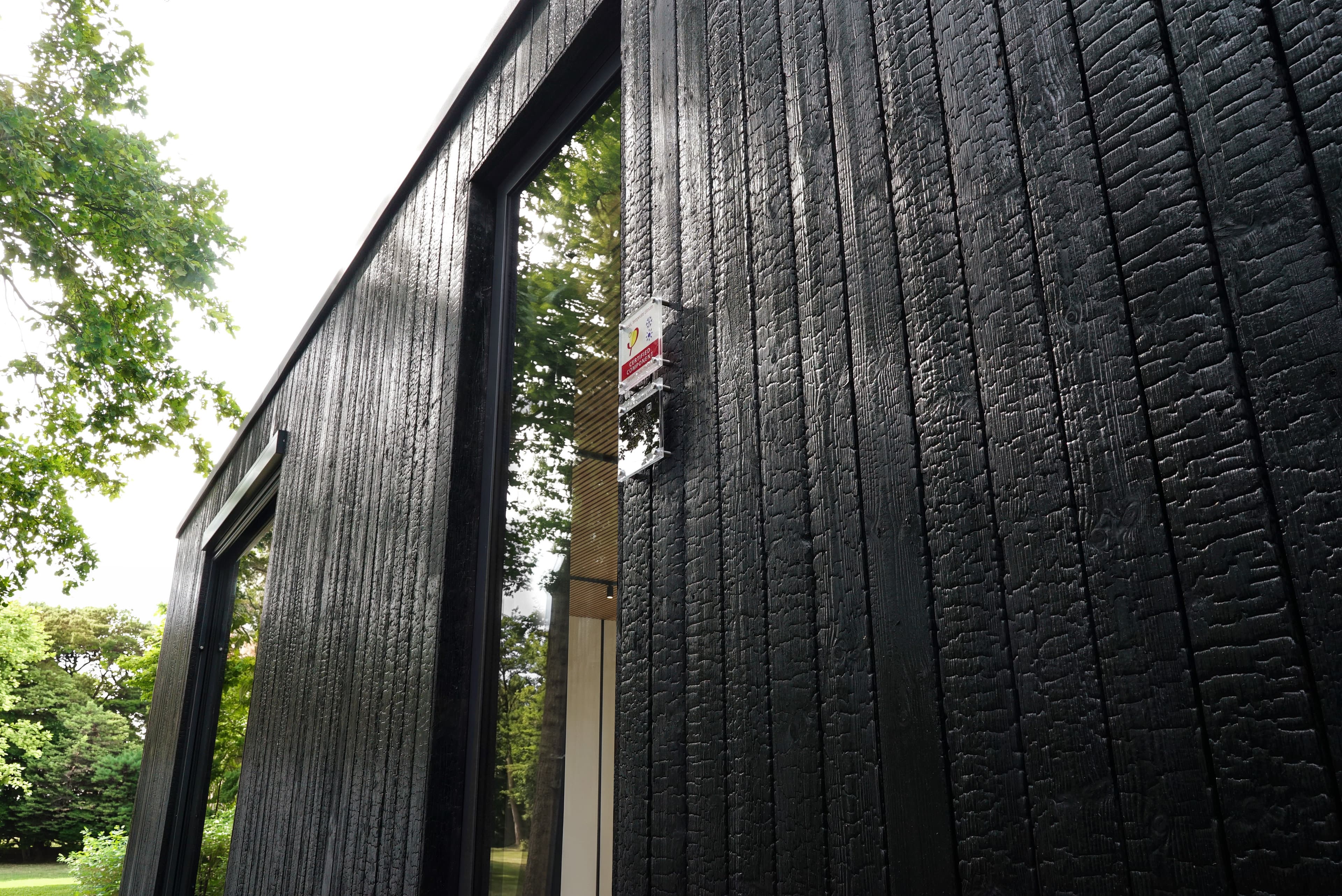
The exterior wall, flat roof and floor slab of MODULAR are assessed together by the Passive House Institute and certified as one system for the cool, temperate climate.



THE STANDARD
Up to 90% less energy for heating than older traditional homes, with independent verification of the finished building.
Passivhaus targets annual heating demand of just 15 kWh/m², alongside strict requirements for airtightness and thermal comfort.
Explore heating efficiency.Yes, but far less than in traditional construction.
A compact heat pump can cover the remaining heating demand and provide cooling in summer.
Explore our home specifications.Yes, whenever you like.
The ventilation system also supplies filtered fresh air continuously when the windows are closed.
Explore ventilation and air quality.PERFORMANCE
Yes. Glazing, external shading and cooling are designed around the local climate.
Superinsulation reduces unwanted heat gain in summer as well as heat loss in winter.
See our homes across Europe.A bespoke Passivhaus can cost more than a conventional new build. BioBuilds uses a repeatable certified system and factory production to reduce custom engineering and on-site work.
Lower heating demand keeps running costs low throughout the life of the home. Our catalog lists prices by model and finish level.
See home prices in our catalog.Our MODULAR construction system is certified by the Passive House Institute, including the walls, roof, floor and connection details.
Certification of a completed home is a separate assessment for its final design and location.
Explore the materials in our certified system.