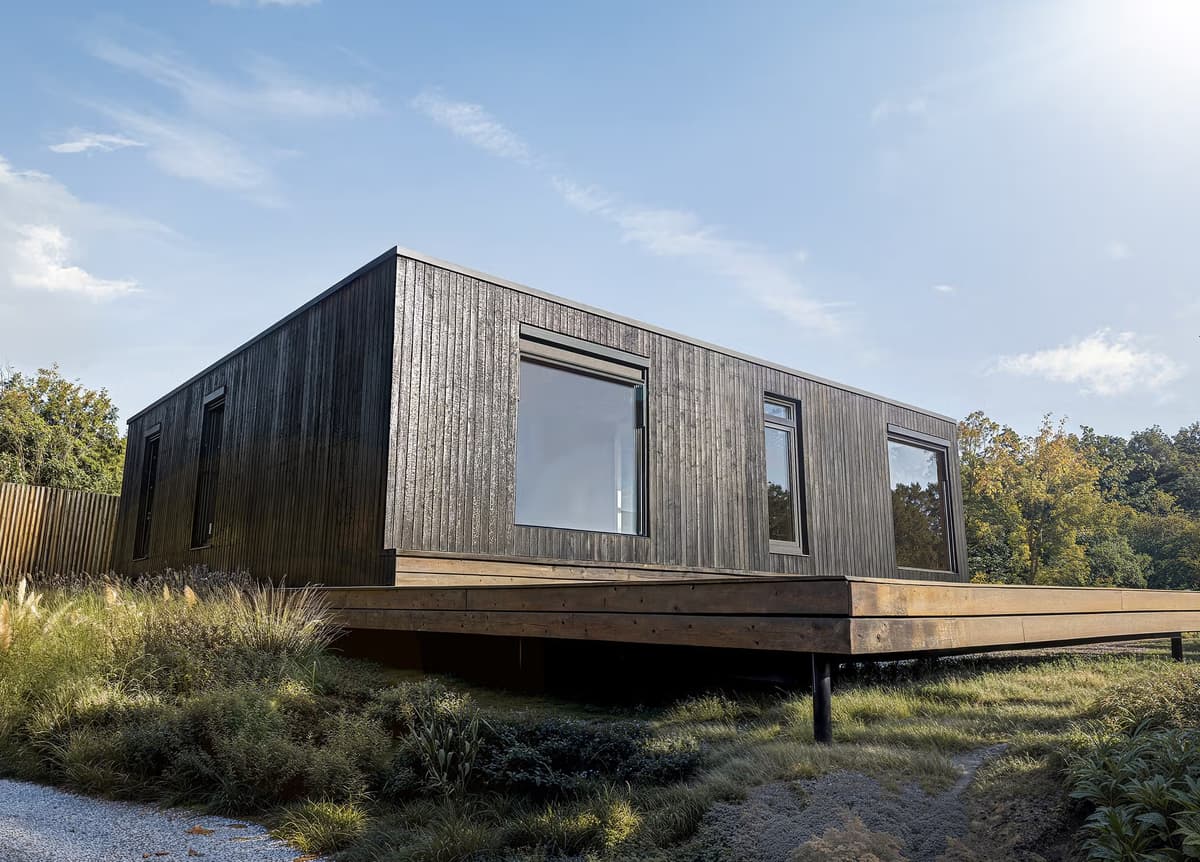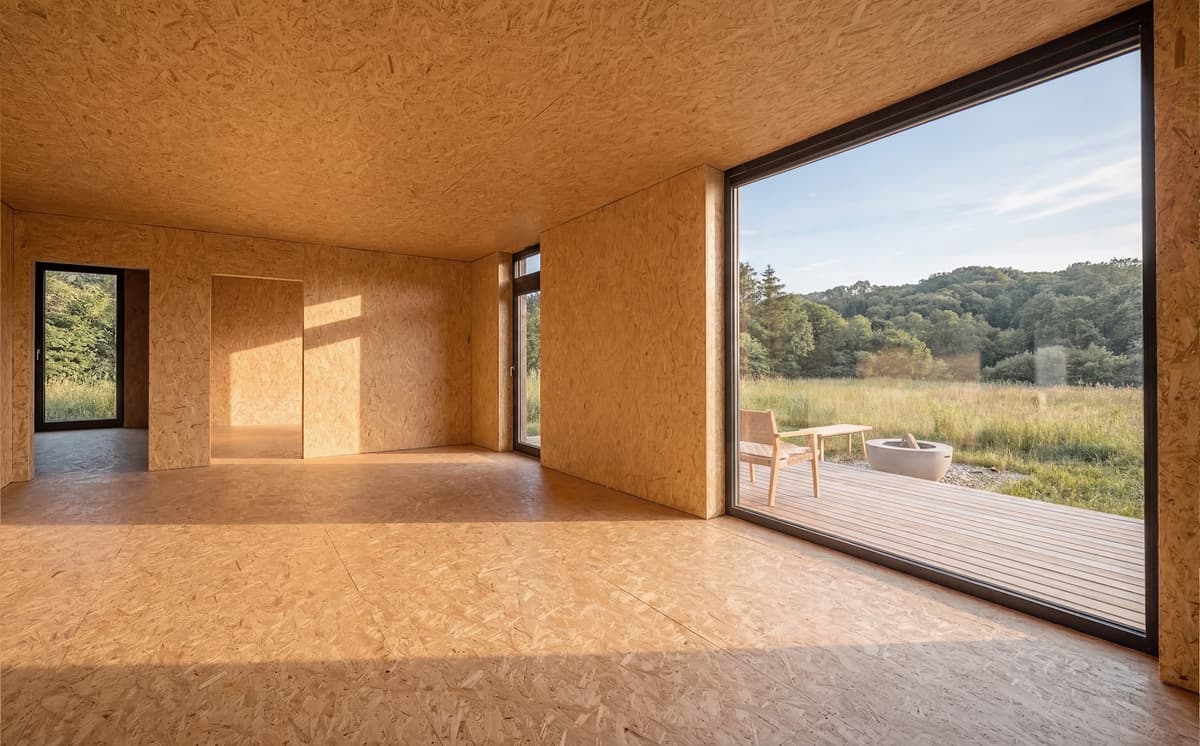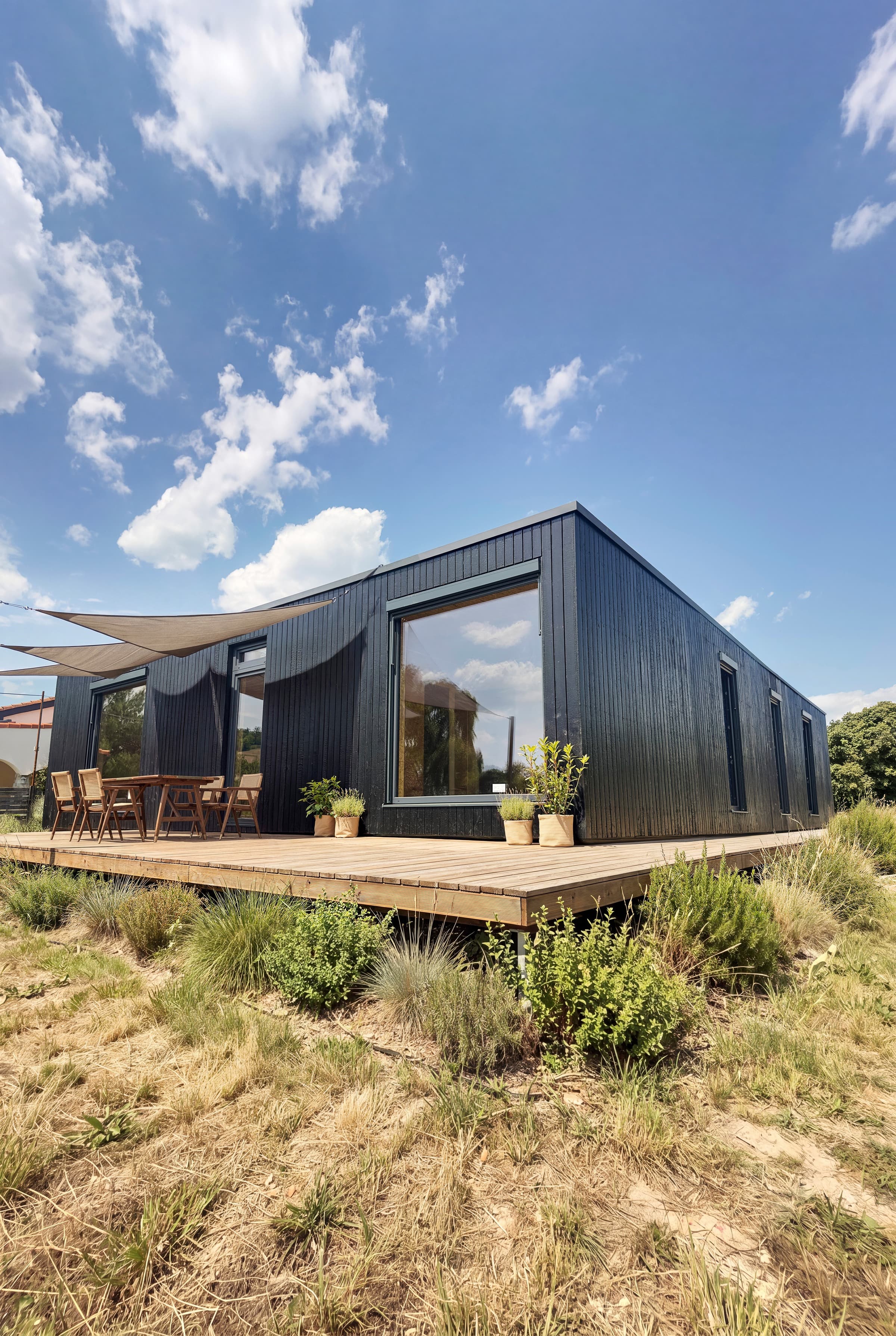
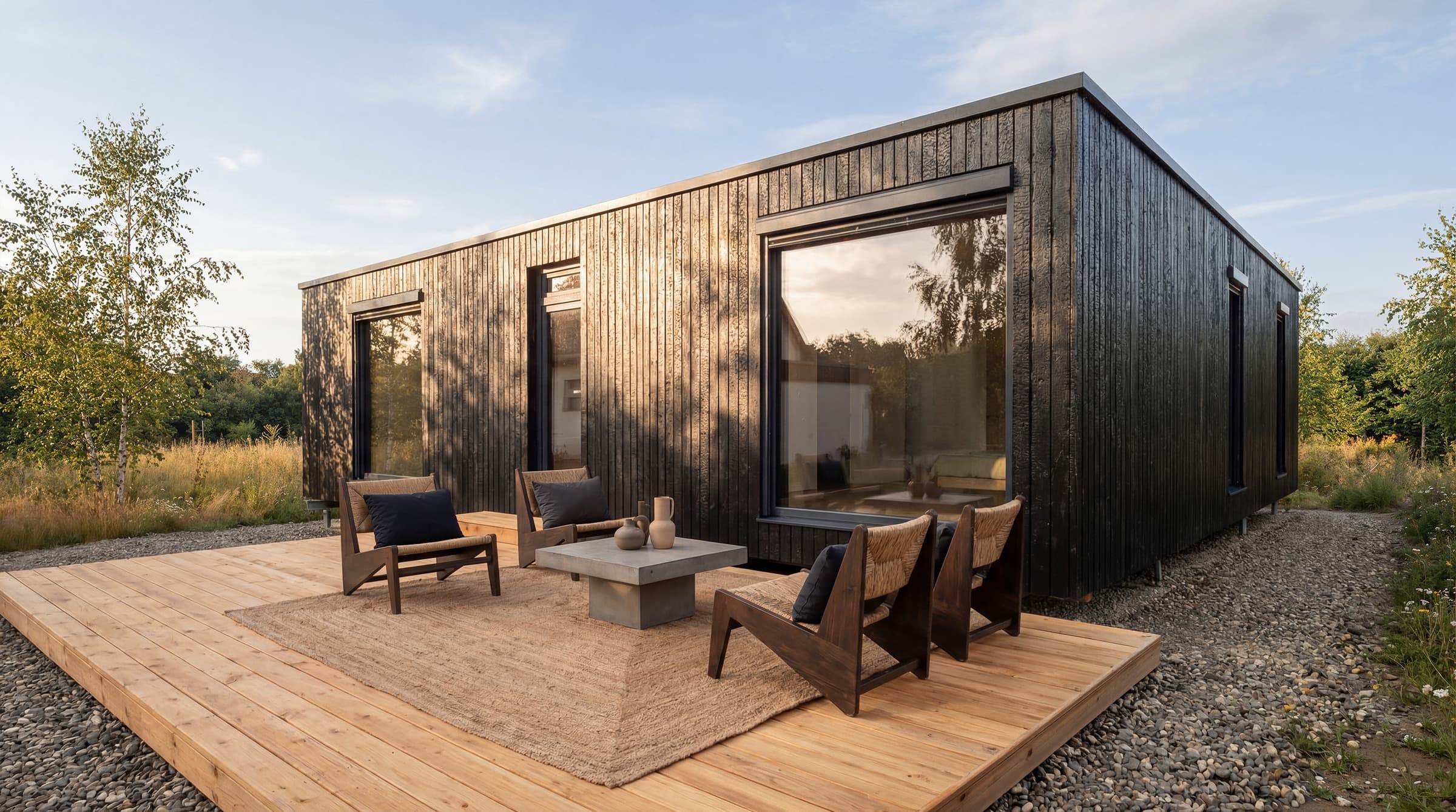
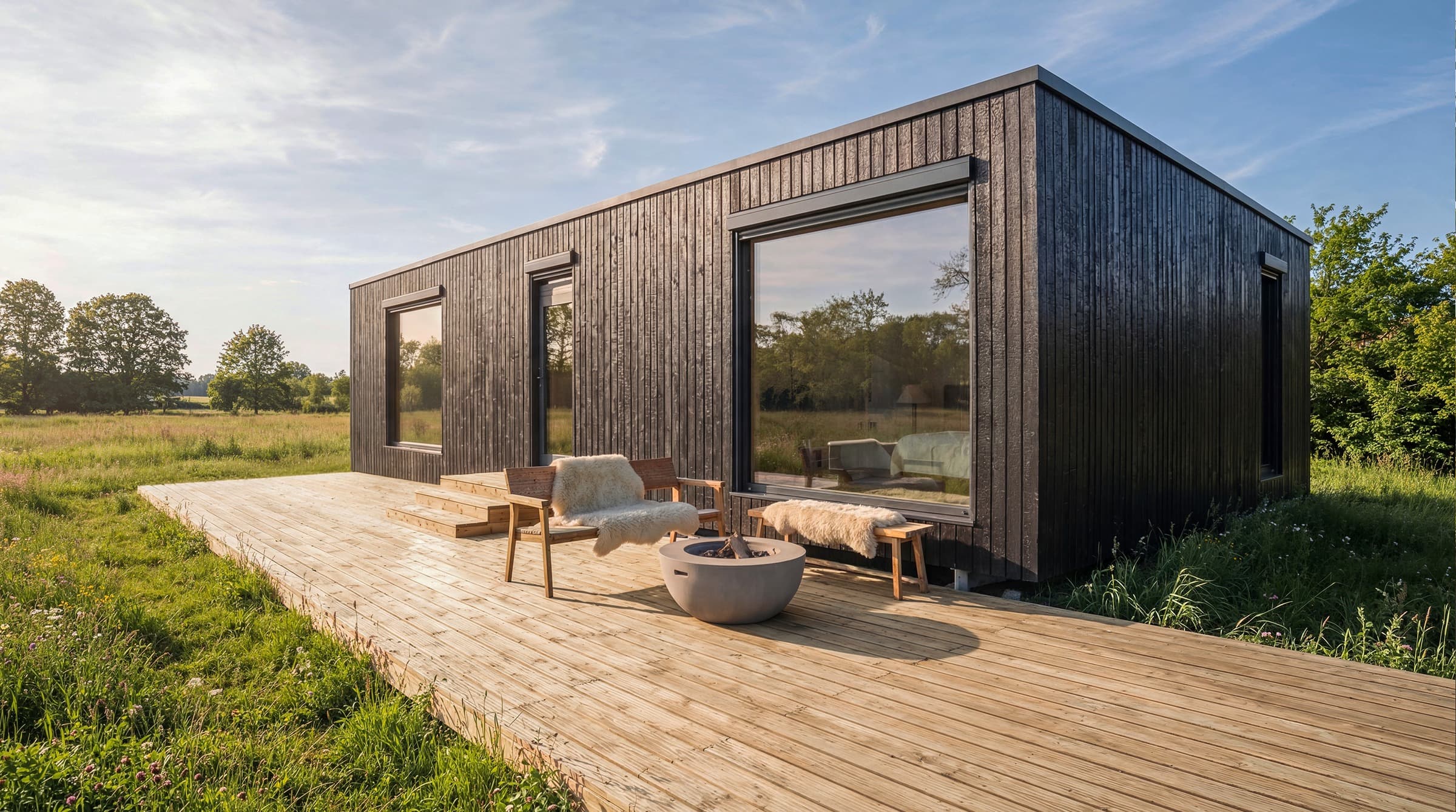
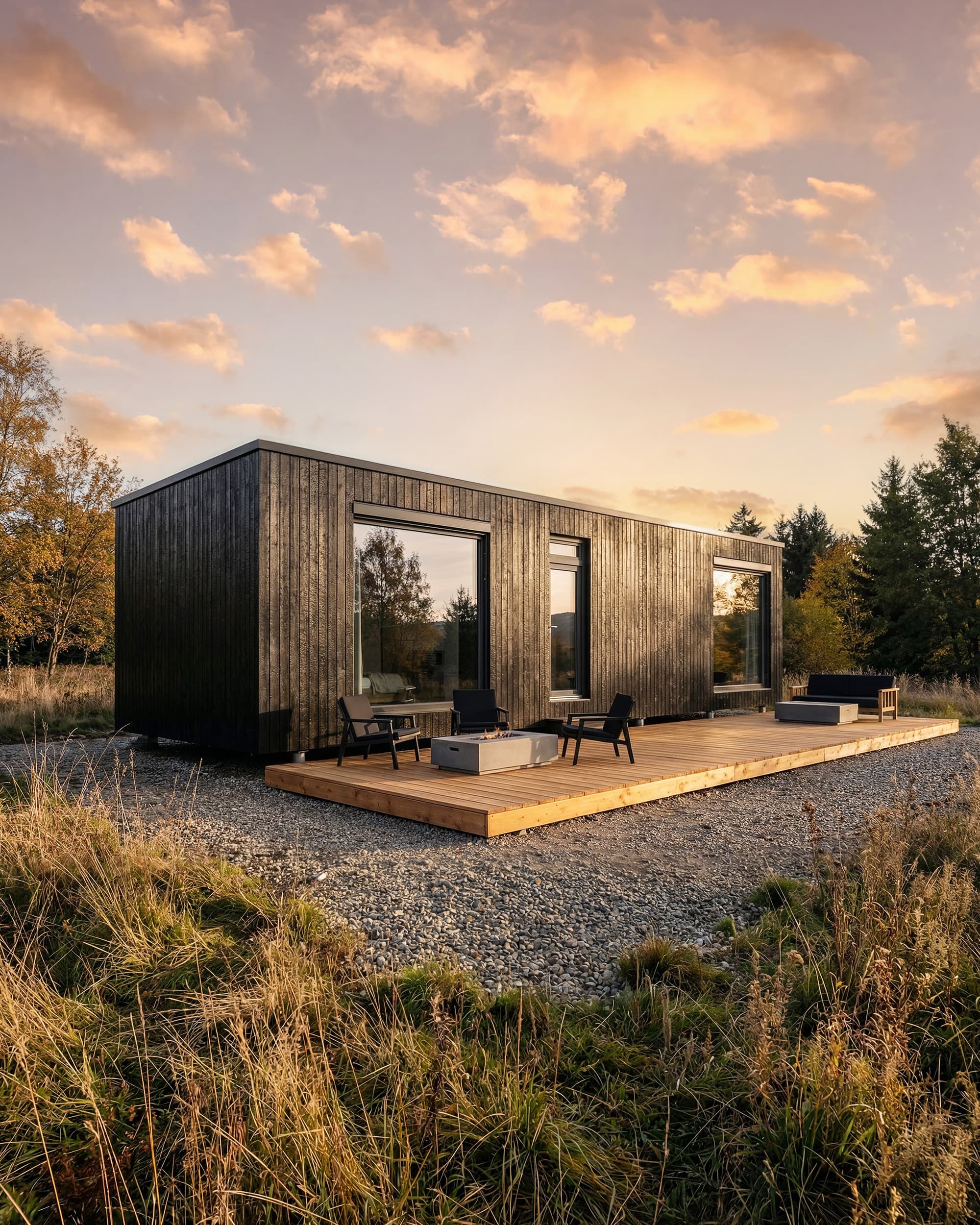
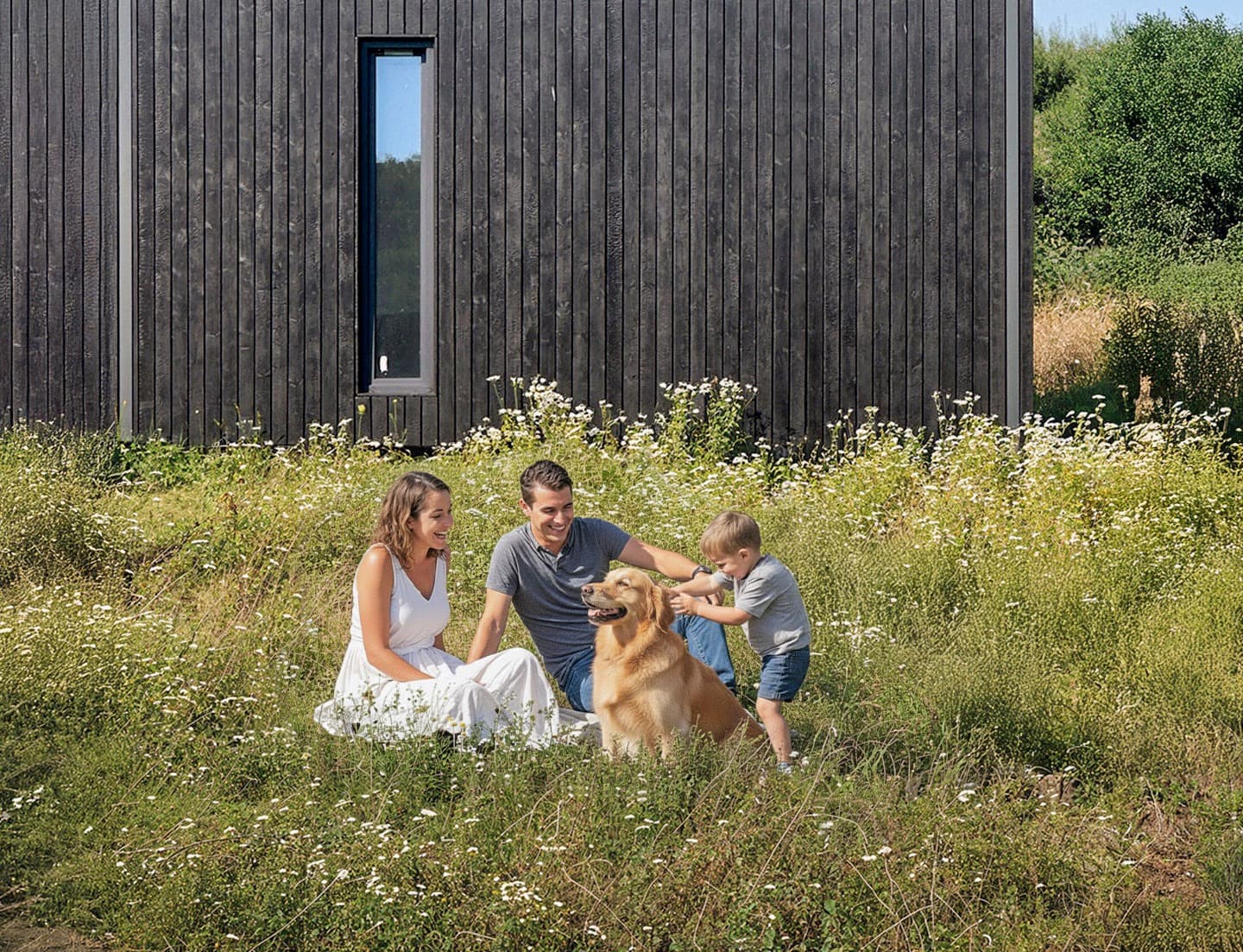
Most prefab home myths stem from confusion with 1970s mobile homes. Modern modular construction uses identical materials and codes as site-built homes, appreciates at the same rate (211.8% vs 212.6% over 24 years), outperforms traditional builds in FEMA hurricane studies, and qualifies for all standard mortgage types. Factory precision actually delivers superior quality -- homes contain 30% more lumber and undergo multiple inspections versus a single site walkthrough.
Every week, someone walks into our factory convinced that prefab homes are glorified trailers. By the time they leave -- having seen precision manufacturing, touched the materials, and understood the engineering -- their entire perspective has shifted. The gap between perception and reality in modular construction is wider than in almost any other industry.
These misconceptions aren't harmless. They cause families to overpay for traditional construction, wait longer for their homes, and miss out on superior quality. The myths persist because they're rooted in a kernel of historical truth -- mobile homes of the 1960s and 70s genuinely were problematic. But modern modular construction shares almost nothing with those products except the word "prefabricated."
Let's examine each myth, understand where it comes from, and see what the data actually shows.
Why these myths persist
The confusion begins with terminology. "Prefabricated," "modular," "manufactured," and "mobile" get used interchangeably despite referring to fundamentally different products. This linguistic blur creates a halo effect where the negative associations of one category spread to all factory-built housing.
The manufactured housing industry also suffered genuine quality problems in decades past. Pre-1976 mobile homes were built to minimal standards, often with substandard materials and poor construction practices. These homes created real problems for real people, and those memories don't fade quickly.
Additionally, traditional construction has enormous cultural momentum. Site-built homes represent the "normal" way of building in most people's minds, making any alternative seem inherently suspect -- regardless of the evidence.
Myth 1: Prefab homes are the same as mobile homes
The Myth: "Modular homes are just fancy mobile homes -- temporary structures that don't belong in real neighborhoods."
The Truth: Modular homes are built to identical building codes as site-built homes and installed on permanent foundations. Once complete, they are legally and structurally indistinguishable from traditional construction. Mobile/manufactured homes follow different federal HUD codes and often sit on steel chassis.
This is the foundational myth from which most others flow. Understanding the distinction between modular and manufactured housing is essential.
Modular homes are constructed in sections at a factory, transported to the building site, and assembled on a permanent foundation. They must meet or exceed all local and state building codes -- the same International Residential Code (IRC) or International Building Code (IBC) that governs traditional site-built homes. Once the modules are connected and the home is complete, there is no legal, structural, or aesthetic difference from a stick-built house.
Manufactured homes (formerly called mobile homes) are built to federal HUD Code standards, which differ from local building codes. They're typically constructed on a permanent steel chassis and may be placed on temporary foundations. While modern manufactured homes have improved significantly since the HUD Code was established in 1976, they remain a distinct product category with different regulations, financing options, and market positioning.
The confusion persists partly because both are built in factories. But an airplane factory and a bicycle factory both manufacture transportation -- the similarity ends there.
Myth 2: Prefab homes are cheaply made
The Myth: "Factory-built means cutting corners. They use cheap materials and rush through construction to save money."
The Truth: Modular homes typically contain 30% more lumber than site-built equivalents and use identical materials. The factory environment enables superior quality control -- every joint inspected, every connection verified -- while protecting materials from weather damage during construction.
If anything, the opposite is true. Factory construction demands higher material specifications for a simple reason: every module must survive highway transportation before it ever faces the elements as a finished home.
Consider what transportation requires. Each module travels on a truck at highway speeds, experiencing vibrations, flexing, and stresses that site-built homes never encounter. The structural connections must maintain integrity through these dynamic loads. This means the framing connections, joints, and overall assembly are engineered with safety factors that exceed standard residential construction requirements.
The controlled factory environment provides additional quality advantages. Materials are stored indoors, protected from rain, snow, temperature extremes, and humidity. Lumber maintains proper moisture content. Electrical components stay dry. Finishes arrive at installation in perfect condition. Site-built homes often see their materials sitting in rain, absorbing moisture that can lead to mold, warping, or degradation.
Factory quality control catches issues that site inspections miss. Modular homes undergo inspections at every stage of construction -- framing, electrical rough-in, plumbing, insulation, finish work. Site-built homes typically receive a single final inspection, by which point problems are expensive to correct.
The inspection difference
Quality control in modular construction operates on a fundamentally different model than traditional building. In factory production, specialized inspectors examine each system as it's completed. Electrical work is verified before walls close. Plumbing is pressure-tested before installation. Insulation coverage is confirmed before drywall goes up.
Site-built homes face different realities. A single inspector visits at designated milestones, often checking multiple systems in a single visit. Weather conditions, rushed timelines, or contractor pressures can compromise work quality between inspections. A tired framer at the end of a long day might not install every hurricane strap properly. Rain during construction might prevent adhesives from curing correctly.
At BioBuilds, every module passes through multiple quality checks before leaving the factory. This systematic approach ensures consistent quality across every home we produce.
Myth 3: Prefab homes depreciate like cars
The Myth: "You'll never get your money back. Prefab homes lose value the moment you move in, just like driving a new car off the lot."
The Truth: Federal Housing Finance Agency data shows manufactured homes on owned land appreciated 211.8% between 2000-2024, virtually identical to site-built homes at 212.6%. Modular homes on permanent foundations appreciate at rates indistinguishable from traditional construction.
This myth conflates modular homes with older mobile homes that were classified as personal property rather than real estate. The distinction matters enormously for appreciation.
When a modular home is placed on a permanent foundation on land you own, it becomes real property -- legally identical to a site-built home. Appraisers use the same criteria. Lenders apply the same underwriting standards. The home's value follows local real estate trends, not some separate "prefab" market.
The key factors that drive any home's appreciation apply equally to modular construction. Location remains paramount -- a modular home in a desirable neighborhood will appreciate faster than a site-built home in a declining area. Condition matters: regular maintenance, quality finishes, and modern systems all protect value. Market trends, school districts, and local economic conditions influence prices regardless of construction method.
Why the myth persists
Depreciation concerns have some historical basis in manufactured housing. Homes placed on leased land or classified as personal property do face value challenges -- but these are structural and legal issues, not construction quality problems. A modular home on a permanent foundation doesn't share these characteristics.
The 2024 Urban Land Institute study found that modular homes in urban settings actually appreciated at higher rates than site-built homes in some markets, driven by demand for affordable housing and shorter construction timelines.
Myth 4: Prefab homes can't withstand severe weather
The Myth: "A hurricane or tornado will blow these houses apart. They're not built strong enough for real weather."
The Truth: FEMA studies consistently show modular homes outperform site-built construction in severe weather. After Hurricane Andrew (Category 4, 155 mph winds), FEMA reported modular homes showed "relatively minimal structural damage" and "performed much better than conventional residential framing."
This myth represents perhaps the most dramatic inversion of reality. Not only do modular homes match traditional construction in weather resistance -- they often exceed it.
The module-to-module combination of units appears to have provided an inherently rigid system that performed much better than conventional residential framing. This was evident in both the transverse and longitudinal directions of the modular buildings.
-- FEMA Hurricane Andrew Assessment Report, 1993
The structural advantage comes from two sources. First, the module-to-module connections create an inherently rigid system. When separate modules are bolted and sealed together, the resulting structure achieves a box-within-a-box strength that resists racking forces from wind.
Second, transportation engineering requirements mean modular homes are designed to withstand dynamic stresses that site-built homes never experience. A module must maintain structural integrity while being lifted by crane, transported over highways at speeds up to 75 mph, and set on its foundation. These forces can actually exceed some storm loads, meaning your home has already survived significant structural testing before facing its first weather event.
Wind resistance specifications
Modern modular homes in hurricane-prone regions are engineered to withstand sustained winds of 130-180 mph depending on location and design specifications. This meets or exceeds current building code requirements. Some manufacturers offer enhanced wind resistance packages for coastal areas.
After Hurricane Sandy struck the northeast, modular homes in affected areas showed significantly less damage than neighboring site-built structures. After Hurricane Irma in 2017, modular homes built nine years earlier reported only minor cosmetic damage -- a few shingles and some siding -- while nearby traditionally-built homes suffered severe structural damage.
Myth 5: You're stuck with cookie-cutter designs
The Myth: "Prefab means picking from a catalog of identical boxes. You can't customize or express any personal style."
The Truth: Modern modular homes offer extensive customization from floor plans to finishes. Flexible layouts, custom architectural styles from contemporary to farmhouse, high-end materials, and personalized details are standard offerings. Many buyers find modular provides more options than traditional builders.
This misconception confuses manufacturing efficiency with design limitation. Yes, modular construction uses standardized processes and dimensions -- but standardization occurs at the component level, not the design level.
Think of it like building with LEGOs. The individual bricks are standardized, but you can create virtually any structure by combining them thoughtfully. Modular home design works similarly: standardized modules, infinite configurations.
Available customization typically includes complete control over floor plans and room layouts, multiple exterior styles from traditional to ultra-modern, choice of siding materials, roofing types, and window configurations, interior finishes from flooring to countertops to fixtures, specialty spaces like home offices, libraries, or entertainment rooms, and accessibility features and aging-in-place design.
The customization process
Most modular manufacturers offer design consultations where buyers work with architects or design specialists to configure their ideal home. Some start with base plans that can be modified extensively; others design entirely custom homes within modular parameters.
At BioBuilds, our configurator allows buyers to visualize their home in real-time, adjusting layouts and finishes while seeing how changes affect pricing and specifications. This transparency exceeds what most traditional builders offer.
Myth 6: Financing is harder to obtain
The Myth: "Banks won't give you a normal mortgage for a prefab home. You'll end up with some kind of specialty loan at terrible rates."
The Truth: Modular homes qualify for all standard mortgage types: conventional loans, FHA (3.5% down), VA (0% down for veterans), and USDA rural loans. They're treated as real property identical to site-built homes. The main challenge is ensuring your lender understands the difference between modular and manufactured housing.
Since modular homes are classified the same as traditional stick-built homes once installed on permanent foundations, they qualify for identical financing options.
| Loan Type | Available for Modular? | Down Payment | Key Requirements |
|---|---|---|---|
| Conventional | Yes | 3-20% | Permanent foundation, meets local codes |
| FHA | Yes | 3.5% | Built after June 1976, permanent foundation |
| VA | Yes | 0% | Primary residence, meets VA requirements |
| USDA | Yes | 0% | Rural location, income limits |
The practical challenge is lender education. Some loan officers confuse modular with manufactured housing and apply incorrect guidelines. When working with a lender, be clear that you're purchasing a modular home that will be placed on a permanent foundation and built to local building codes.
Construction-to-permanent loans
For new modular construction, most buyers use construction-to-permanent financing. This loan covers the construction period (typically 4-6 months for modular versus 9-12 months for traditional) and then converts to a standard mortgage. One-time close options mean you only pay closing costs once, while two-time close options involve separate closings but may offer more flexibility.
The shorter construction timeline of modular homes actually benefits financing -- less time paying construction loan interest means lower total borrowing costs.
Myth 7: Prefab homes are less energy efficient
The Myth: "Those factory walls can't be properly insulated. You'll pay more for heating and cooling than in a real house."
The Truth: Studies show modular homes are 15-60% more energy efficient than site-built construction. Factory assembly enables tighter building envelopes with superior airtightness -- the controlled environment eliminates weather damage and allows precision tolerances impossible on construction sites.
Energy efficiency is actually one of modular construction's strongest advantages. The controlled factory environment enables precision that directly translates to thermal performance.
Airtightness drives efficiency. When walls, windows, and connections fit together with millimeter precision, air leakage drops dramatically. In traditional construction, gaps and cracks from imprecise assembly allow conditioned air to escape and outside air to infiltrate. These losses can account for 25-40% of heating and cooling loads.
Factory conditions also protect insulation integrity. Insulation that gets wet during site construction loses thermal performance permanently. Fiberglass batts that sag or compress leave gaps. Spray foam applied in cold temperatures may not expand properly. Factory installation eliminates these variables.
BioBuilds and Passivhaus performance
Our homes achieve Passivhaus certification -- the most rigorous energy efficiency standard in the world. This requires heating demand below 15 kWh/m2 annually, roughly one-tenth the consumption of conventional German construction. Factory precision makes these demanding targets achievable: consistent insulation installation, thermal-bridge-free details, and verified airtightness.
Myth 8: Prefab homes won't last as long
The Myth: "These homes are built to last 20-30 years, not generations. They're essentially disposable housing."
The Truth: Modular homes have identical lifespans to site-built construction -- 80+ years with proper maintenance. The same materials, same codes, same construction methods. Many modular homes built decades ago remain in excellent condition today.
Longevity depends on materials, construction quality, and maintenance -- not where assembly occurred. Since modular homes use identical materials to site-built homes and must meet the same building codes, their structural lifespan is equivalent.
In fact, the quality control advantages of factory construction may contribute to longer practical lifespans. Materials that stay dry during construction don't develop hidden moisture problems that cause premature deterioration. Connections made under ideal conditions hold up better over time. Insulation installed perfectly maintains performance for decades.
What actually determines lifespan
Foundation quality matters most -- and modular homes require permanent foundations meeting local codes. Roof integrity follows; modular roofs use the same materials and installation methods as traditional construction. Maintenance habits then take over: regular painting, prompt repairs, system servicing, and weatherproofing all extend any home's life.
There are 50-year-old modular homes in excellent condition across Europe and North America, occupied by second and third generation families. There are also poorly maintained site-built homes from the same era that have been demolished. Construction method is not the differentiating factor.
The myths surrounding prefab construction persist because change comes slowly to one of humanity's oldest industries. Building has been done essentially the same way for centuries, and any alternative triggers skepticism.
But the evidence is clear. Modular homes match or exceed site-built quality across every meaningful metric: structural strength, energy efficiency, durability, and value retention. The advantages of factory construction -- precision, quality control, timeline predictability, weather protection -- translate into tangible benefits for homeowners.
The question isn't whether prefab homes can deliver quality. It's why we continue building outdoors, exposed to weather and human error, when a better alternative exists.