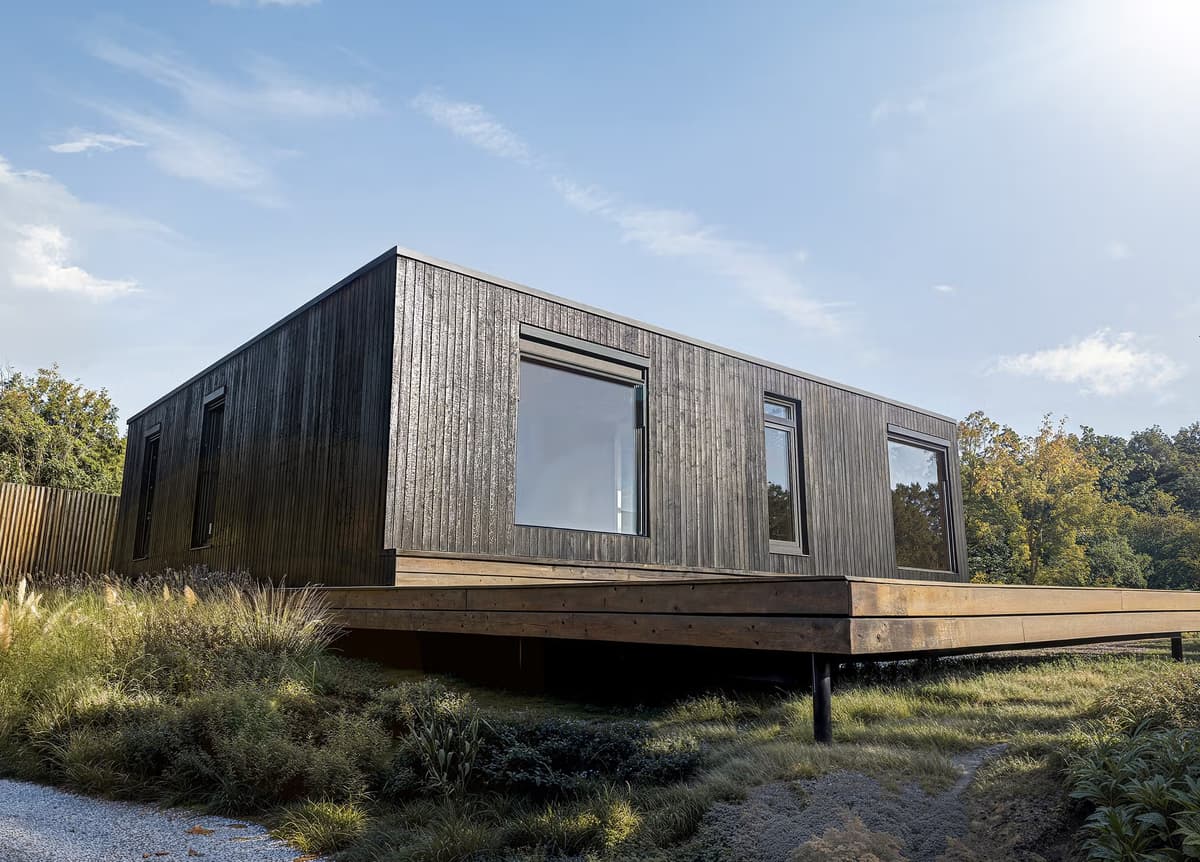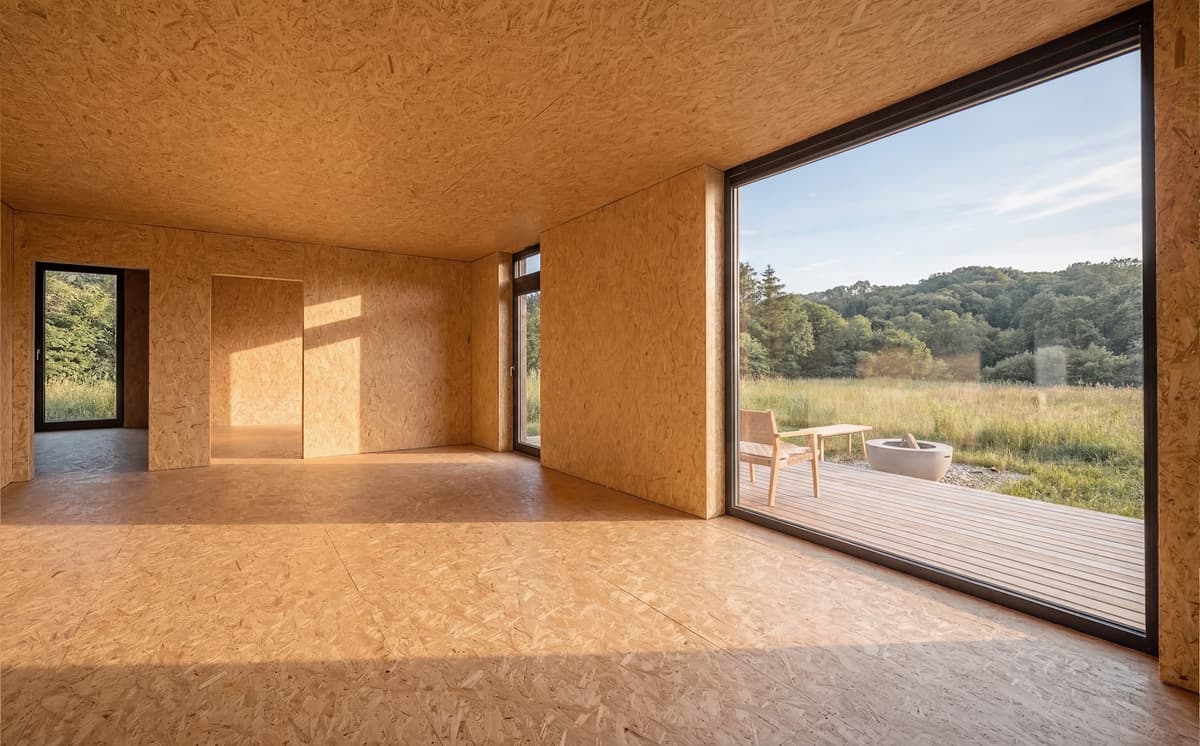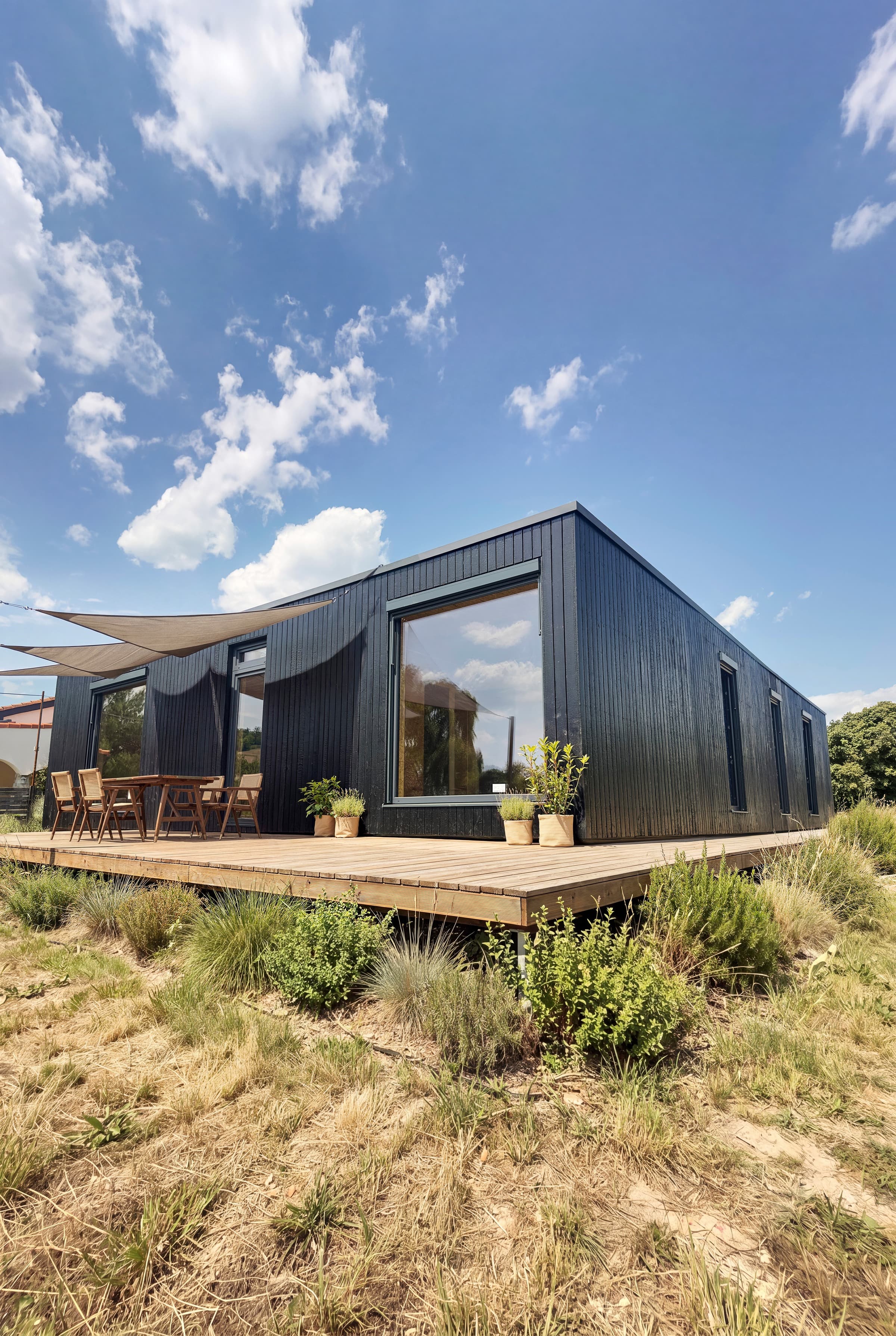
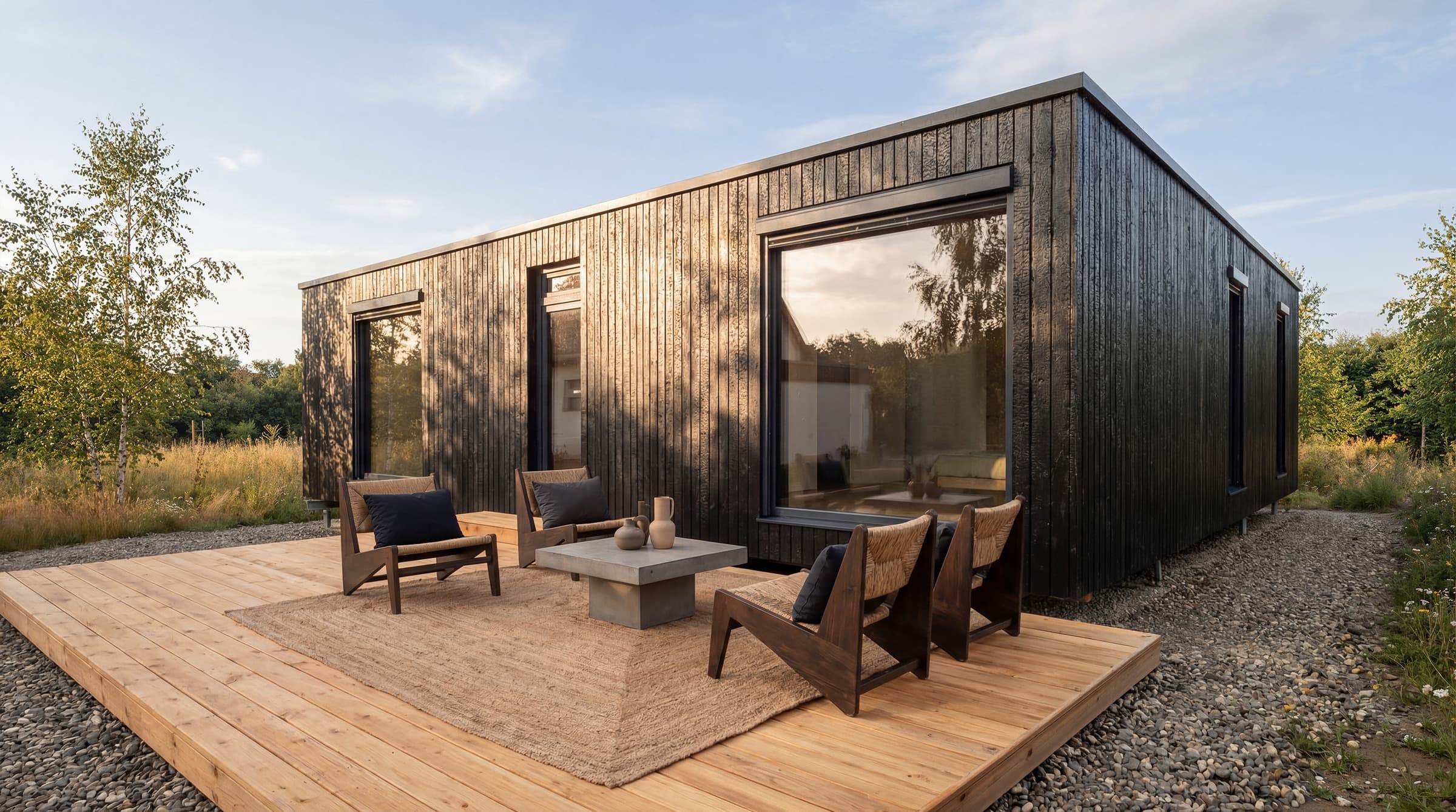
That EUR 150,000 base price you saw online? Budget EUR 200,000+ when you add site preparation, foundation, utility hookups, permits, and finishing. Factory construction cuts build time dramatically, and BioBuilds standardizes it to 3 weeks to move-in once the site is ready, but five hidden costs catch most buyers off guard. Modular homes appreciate at rates nearly identical to site-built homes -- the real question is whether your builder includes everything or buries costs in fine print.
The prefab industry has a transparency problem. Browse any manufacturer's website and you'll find gleaming images of finished homes beside prices that seem too good to be true. They are. After 15 years overseeing modular production -- and watching hundreds of families navigate the gap between brochure prices and move-in costs -- I want to share what the industry doesn't.
The European prefab housing market reached EUR 34.47 billion in 2025 and is growing at 6.6% annually. Over 166,000 modular units were built across Europe last year alone. This isn't a niche anymore -- it's the future of residential construction. But that growth has attracted players more interested in volume than transparency. Understanding the real economics separates buyers who move in happy from those who feel deceived.
The real price of prefab in Europe
Let's start with what manufacturers actually charge. European prefab pricing falls into three distinct tiers, and understanding which you're looking at prevents the most common disappointment.
| Quality Tier | Price per m2 | What's Included | What's Missing |
|---|---|---|---|
| Entry-level | EUR 1,800-2,200 | Basic structure, standard finishes, code-minimum insulation | Foundation, utilities, permits, often interior finishing |
| Mid-range | EUR 2,200-2,800 | Quality materials, better insulation, most finishes | Site prep, foundation, utility hookups, customization |
| Premium | EUR 2,800-3,500+ | High-performance envelope, premium finishes, energy systems | Often still excludes site work and foundation |
Here's what nobody advertises: you should budget 30-40% above the base price to cover total project costs. That EUR 180,000 entry-level home becomes EUR 235,000-250,000 when you add everything needed to actually move in. The mid-range EUR 220,000 unit often lands at EUR 285,000-310,000 fully installed.
The manufacturers aren't technically lying. Their base prices accurately reflect what leaves the factory. But a home that arrives on a truck isn't a home you can live in. The gap between delivery and habitation is where budgets collapse.
A warning about unrealistic prices: If you see prefab homes advertised below EUR 1,800/m2, be extremely cautious. These are typically either container conversions, homes that don't meet European building codes, or bait-and-switch pricing where critical components are excluded. Legitimate prefab construction using proper materials and meeting all safety requirements simply cannot be produced below this threshold.
Five hidden costs nobody mentions
These are the expenses that transform affordable dreams into budget nightmares. Every experienced builder knows them. Most brochures ignore them.
1. Site preparation: EUR 5,000-50,000
Your plot isn't factory-ready. Clearing trees, grading uneven terrain, removing rocks, managing drainage -- these costs vary wildly based on site conditions. A flat, clear lot near utilities might need EUR 5,000 in prep work. A sloped, wooded lot with poor soil access can easily require EUR 50,000 before a single module arrives. Soil testing alone costs EUR 500-2,000, and what it reveals often multiplies foundation costs.
2. Foundation work: EUR 7,000-30,000
Modular homes need permanent foundations -- that's what distinguishes them from manufactured housing and determines their financing options and resale value. Slab foundations for smaller homes start around EUR 7,000. Crawl spaces run EUR 12,000-18,000. Full basements can exceed EUR 30,000. Difficult soil conditions requiring special footings or drainage systems push these numbers higher still.
3. Utility hookups: EUR 2,500-25,000
Connecting water, electricity, gas, and sewage isn't included in factory prices. Urban lots with existing service connections might cost EUR 2,500-5,000 for hookup work. Rural properties requiring septic systems, well drilling, or extended utility runs can hit EUR 25,000 or more. This is the cost that catches rural dreamers hardest -- that perfect remote lot might cost more to service than the home itself.
4. Permits and fees: EUR 500-5,000
Building permits, inspection fees, connection fees, and local impact charges vary enormously by municipality. German bureaucracy tends toward the higher end. Romanian permits are often cheaper but more unpredictable in timeline. What's consistent: these costs exist everywhere, and they're rarely included in advertised prices.
5. Delivery and crane installation: EUR 5,000-20,000
Your home travels on trucks, often in oversized loads requiring special permits and escort vehicles. Distance from factory to site determines transport cost. Crane rental for module placement adds EUR 2,000-8,000 depending on complexity. Narrow access roads or obstacles requiring specialized equipment multiply these numbers quickly.
Take the advertised base price. Add 35%. That's your realistic budget. If you end up under that number, congratulations -- your site was easy. If you didn't budget the cushion, welcome to the club of people writing checks they didn't plan for.
How fast prefab actually builds
Speed is prefab's legitimate superpower, and here the industry undersells itself. The timeline advantages are real and substantial.
Traditional site-built construction averages 9-12 months in Central Europe. BioBuilds completes in 3 weeks to move-in through factory production and parallel site preparation.
The speed comes from parallel processing. While your foundation is being poured on-site, your home is being built in the factory. Traditional construction proceeds sequentially: foundation, framing, roofing, exterior, interior, systems, finishing -- each waiting for the previous stage. Factory construction compresses and overlaps these phases.
What can slow things down
Factory speed doesn't eliminate all external dependencies. Permits remain municipal bottlenecks in some jurisdictions regardless of construction method. Weather affects site preparation and foundation work. Utility connections depend on provider schedules. Customization requests extend factory timelines. The key distinction is that BioBuilds production-to-move-in is standardized at 3 weeks once those external prerequisites are ready.
The biggest timeline mistake buyers make is assuming speed means rushing. Fast factory construction requires thorough planning. Changes mid-build cost more and take longer than getting it right before production starts.
Quality myths versus factory reality
The perception that prefab means "cheap" persists from mobile home stereotypes decades outdated. Modern modular construction from a quality manufacturer routinely exceeds site-built quality, and the data proves it.
Factory precision surpasses site conditions. Climate-controlled environments protect materials from moisture, temperature swings, and UV exposure during assembly. Precision equipment cuts components to exact specifications -- tolerances impossible to achieve with hand tools on scaffolding. Research shows modular homes use 25% more material on average than site-built equivalents, with tighter construction reducing air leakage and improving energy performance.
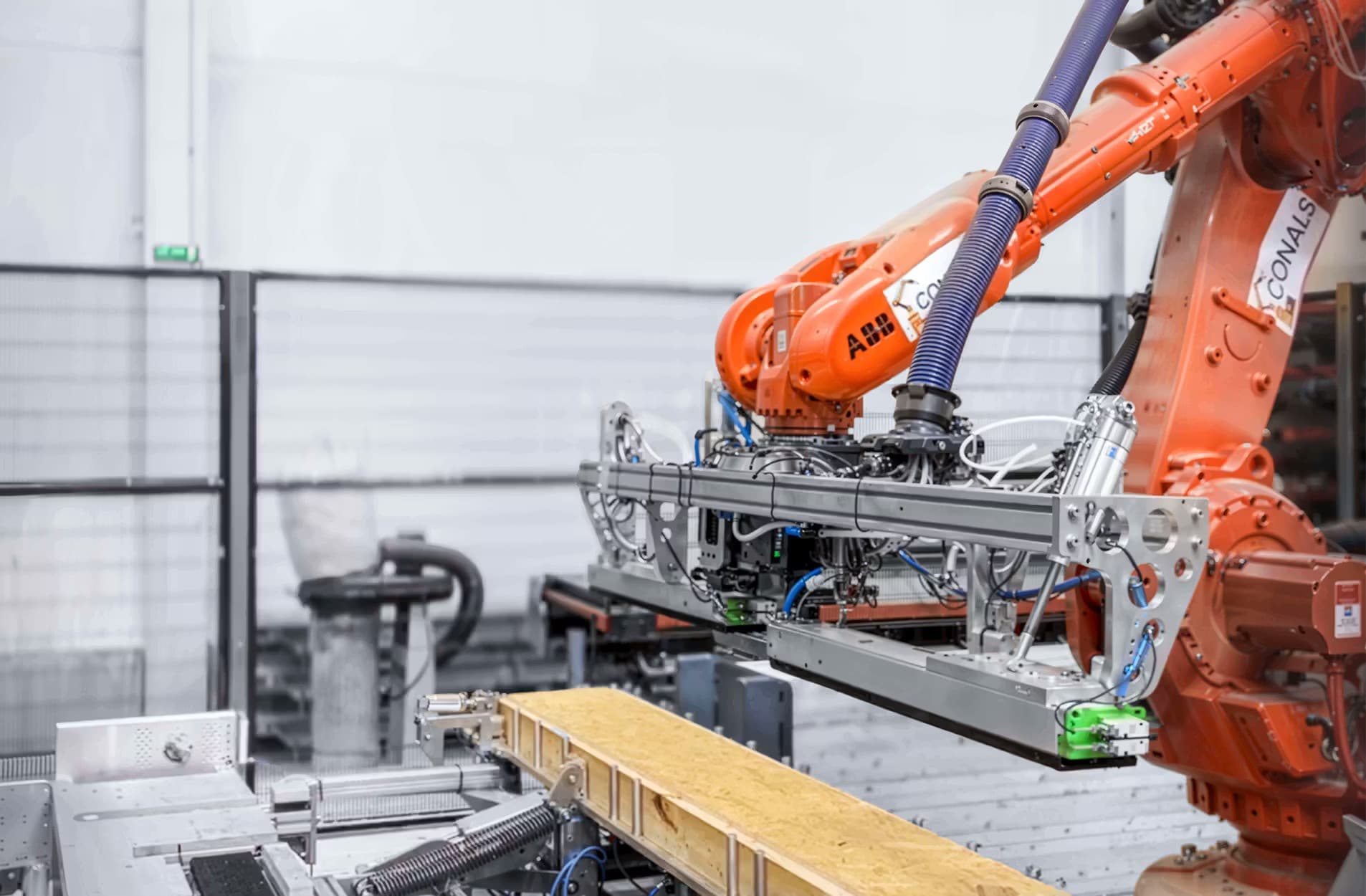
Inspection happens at every stage. Factory quality control means multiple inspections during construction, not just final walkthrough. At BioBuilds, each module goes through repeated quality checks before leaving the facility. Defects caught in the factory cost pennies to fix. Defects discovered after installation cost thousands.
Extreme weather performance exceeds site-built. FEMA research confirms that well-built modular homes outperform site-built structures in hurricanes and other extreme weather. The structural integrity required to survive transport -- being lifted by crane, trucked hundreds of kilometers -- creates homes inherently more robust than those never designed to move.
| Quality Factor | Factory-Built | Site-Built |
|---|---|---|
| Material protection | Indoor storage, climate-controlled | Exposed to weather during construction |
| Construction tolerances | Precision equipment, consistent | Hand tools, variable by crew |
| Quality inspections | Multiple factory checkpoints | Final inspection only |
| Material usage | 25% more on average | Code minimum typical |
| Structural integrity | Transport-rated durability | Static requirements only |
The quality skepticism made sense in 1985. In 2026, it reflects ignorance of how modern modular construction actually works. The better question isn't whether prefab can match site-built quality -- it's whether site-built can match factory precision.
The resale value question, answered
This is where outdated perceptions collide with market data. The myth that prefab homes depreciate like vehicles simply isn't supported by evidence.
Research tracking home values between 2000 and 2024 found manufactured homes on owned land appreciated 211.8% -- nearly identical to site-built homes at 212.6%. The key phrase: "on owned land." Land ownership and permanent foundation installation are what distinguish appreciating real estate from depreciating personal property.
Modular homes -- built to local building codes, set on permanent foundations, financed as real property -- are appraised using the same criteria as any other home. The same factors that determine site-built value apply: location, condition, local market trends, upgrades, and maintenance.
What does affect resale negatively
Perception matters in some markets. Areas where prefab construction is uncommon may have buyers unfamiliar with modern modular quality. Homes that look obviously "modular" or that haven't been maintained well face steeper discounts. Poor location always hurts value, regardless of construction method. The solution is choosing quality builders, maintaining homes properly, and selecting locations where prefab is established.
The appreciation myth persists partly because people confuse modular homes with manufactured housing (mobile homes). These are fundamentally different products with different financing, different building codes, and different market treatment. Conflating them reveals ignorance of the industry, not insight into values.
Financing: what lenders won't tell you
Getting a mortgage for a modular home is possible -- but not always simple. Understanding the financing landscape prevents frustrating surprises.
Modular homes qualify for conventional mortgages. Because they're built to the same codes as site-built homes and installed on permanent foundations, modular homes are treated as real property. FHA, VA, and USDA loans are all available. Conventional loans through Fannie Mae and Freddie Mac apply. This isn't manufactured housing with its limited financing options.
Construction-to-permanent loans are common. Most modular home purchases involve two-phase financing: a construction loan during the build, converting to a permanent mortgage upon completion. Some lenders offer one-time close products that simplify this process. Others require two separate closings with two sets of fees.
Where complications arise
Not all lenders understand modular construction. Some confuse modular with manufactured housing and apply inappropriate criteria. Finding lenders experienced with factory-built homes streamlines approval. Higher down payments are sometimes required -- 20% isn't unusual for construction loans, compared to 3.5% minimums for FHA on existing homes.
Appraisal challenges occur when comparable sales are scarce. In areas with few modular homes, appraisers may struggle to find comps, potentially undervaluing properties. Working with appraisers familiar with prefab construction helps -- but isn't always possible in underserved markets.
German KfW preferential loans apply to energy-efficient construction regardless of method. Modular homes meeting Passivhaus or KfW efficiency standards access the same favorable financing as site-built equivalents. EU Wohnbaufoerderung programs similarly don't discriminate against factory construction. The financing playing field is more level than perception suggests.
How to choose without regret
The difference between a satisfying prefab experience and a nightmare comes down to builder selection. Here's what matters most.
Demand itemized pricing. If a builder won't show you exactly what's included and excluded from their base price, walk away. Vague quotes are how buyers get surprised by EUR 50,000 in "unexpected" costs. Every legitimate manufacturer should provide line-item breakdowns covering: base home cost, transport, crane/installation, foundation (or foundation-ready pricing), utility connections, permits assistance, and finishing work.
Visit completed homes. Photos lie. Brochures exaggerate. Actually standing inside a completed installation reveals construction quality, finish levels, and how the space feels. Ask for references from past buyers -- not curated testimonials, but real people you can contact. Happy customers talk freely. Unhappy ones have stories worth hearing.
Verify building code compliance. Modular homes should meet local building codes, not just federal HUD standards. Ask which codes apply to your project and who handles inspections. Reputable builders welcome this scrutiny because they have nothing to hide.
Understand warranty coverage. What does the warranty cover? How long? Does it require specific maintenance? What happens if you need service -- does the builder have local presence, or will you wait weeks for factory technicians? Site-built features like decks and garages are often excluded from modular warranties. Know what's protected and what isn't.
Check for turnkey options. The best prefab experiences come from builders who handle everything: site prep, foundation, utility coordination, permits, installation, and finishing. Coordinating multiple contractors yourself reintroduces the delays and complications prefab construction is meant to eliminate. BioBuilds delivers fully finished homes to your foundation-ready site in 3 weeks -- including all interior finishes, fixtures, and systems. This turnkey approach removes the hidden cost variables that trap buyers working with less integrated providers.
How BioBuilds achieves premium quality at mid-range prices
BioBuilds has solved the prefab pricing puzzle through three strategic advantages. First, factory localization -- manufacturing in Romania with German engineering standards dramatically reduces production costs without compromising quality. Second, batch material procurement -- buying materials in optimized quantities for multiple homes creates significant savings passed to customers. Third, and most importantly, optimized prefabrication -- BioBuilds completes 99% of construction in the factory and only 1% on-site, compared to the industry-standard 50/50 split.
This 99/1 approach means virtually everything -- electrical, plumbing, insulation, interior finishes, fixtures, even appliances -- is installed under controlled factory conditions before the home ever reaches your site. The result: premium-quality homes built on a Passivhaus-certified system at mid-range market pricing, with none of the on-site delays, weather damage, or quality inconsistencies that plague traditional prefab.
Prefab construction offers real advantages: faster timelines, factory precision, controlled costs, and quality that meets or exceeds site-built standards. The industry's transparency problem doesn't negate these benefits -- it just means informed buyers fare better than trusting ones. Budget realistically, understand what's included, verify builder quality, and you'll join the growing ranks of satisfied modular homeowners.
The EUR 34 billion European prefab market is expected to reach EUR 47 billion by 2030. This growth reflects genuine value, not marketing hype. But that value accrues to buyers who understand what they're purchasing -- not those seduced by impossibly low base prices that balloon on contact with reality.