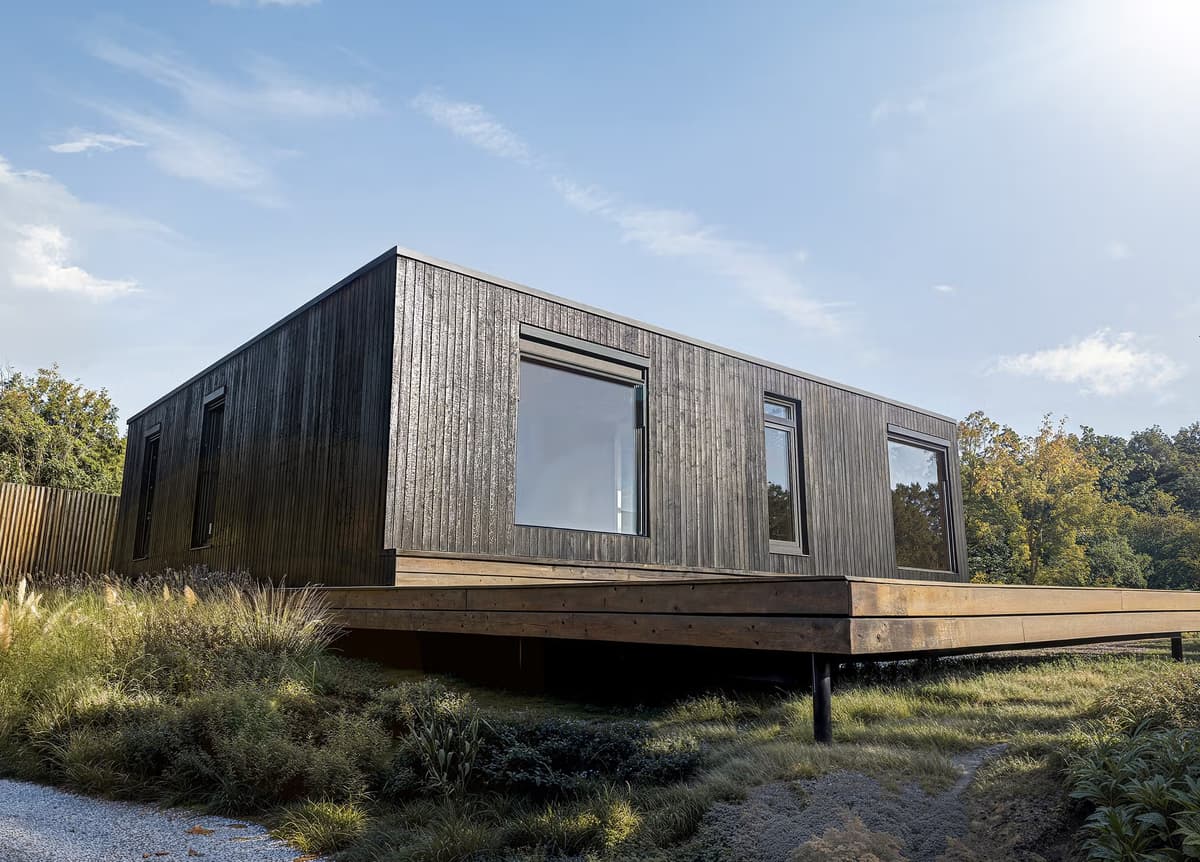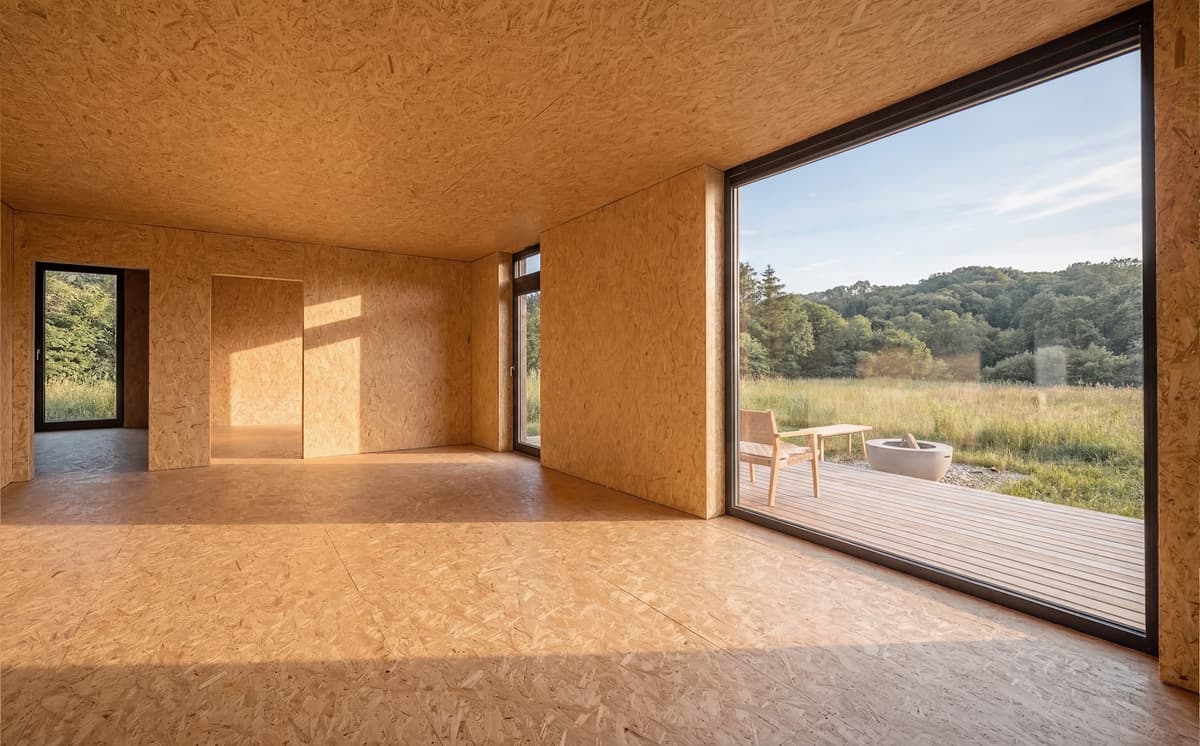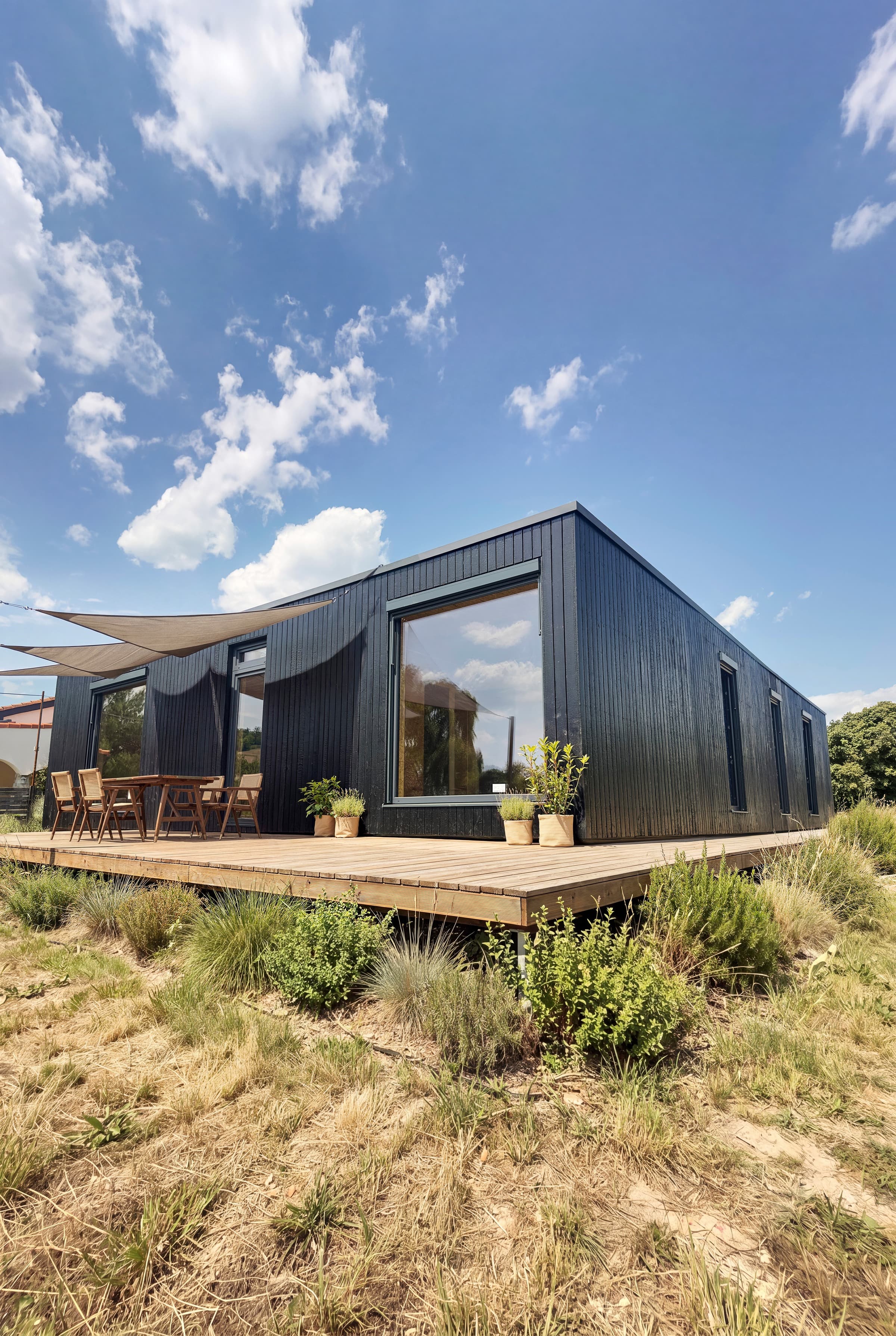
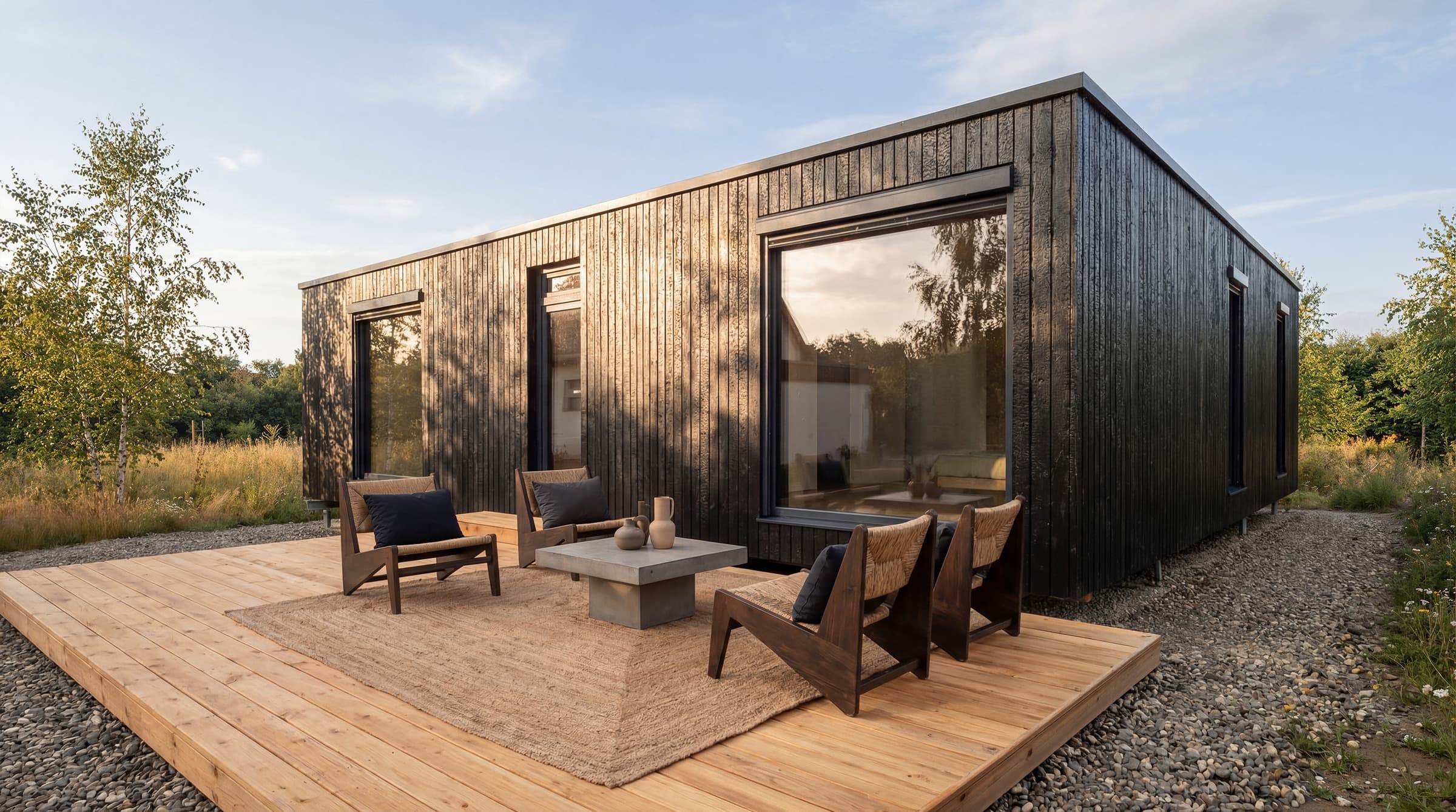
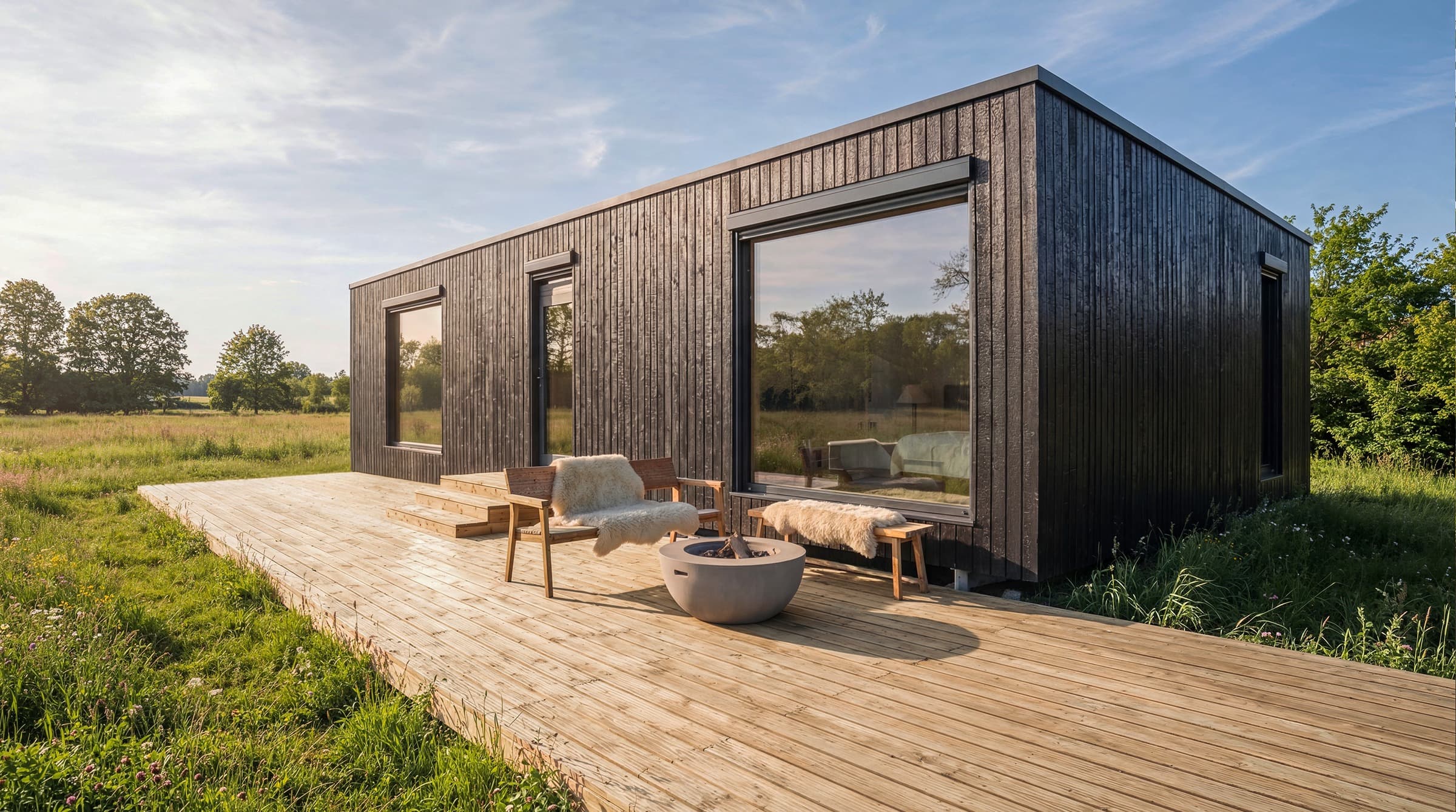
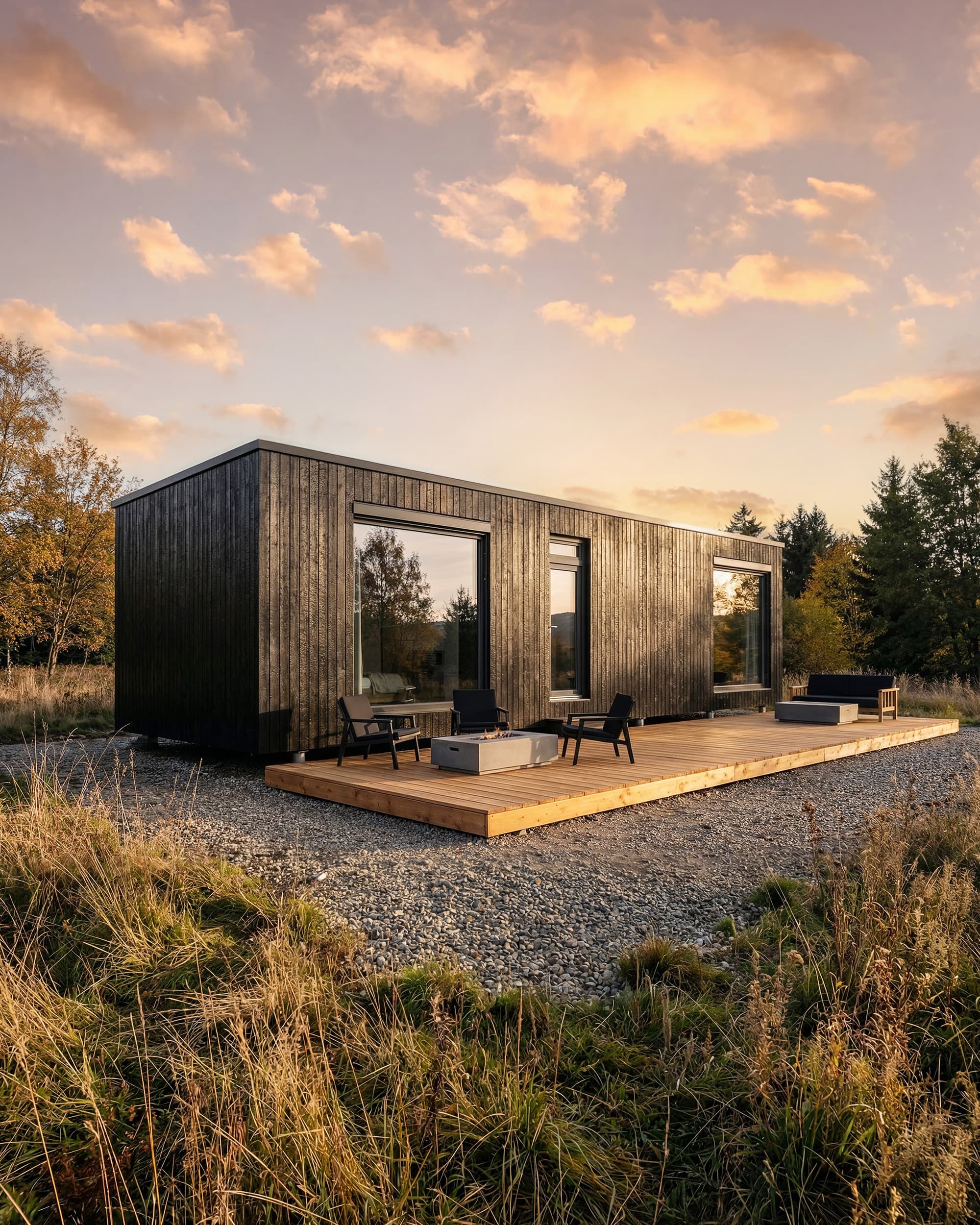
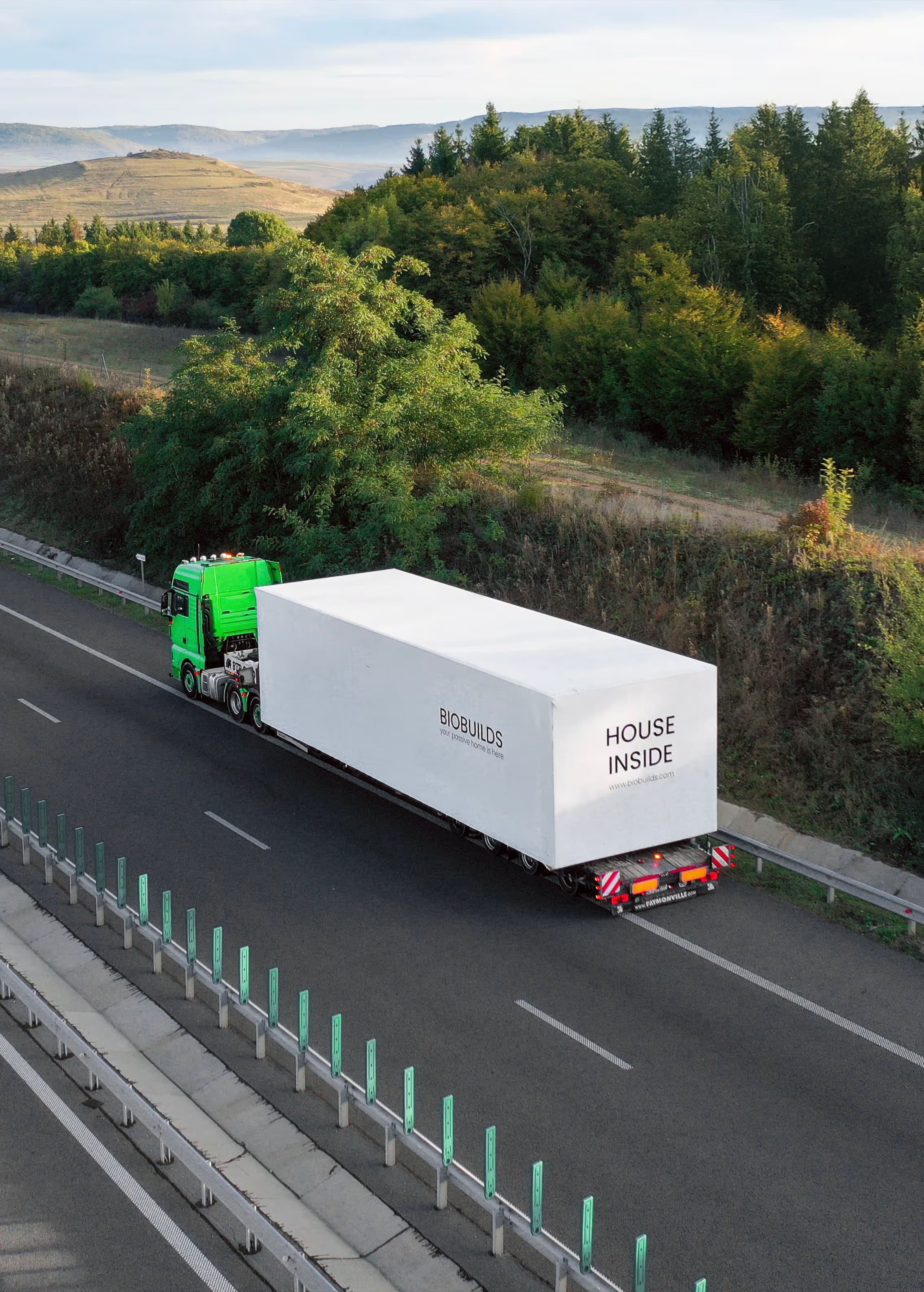
Prefab homes cut build timelines dramatically, and BioBuilds standardizes the process to 3 weeks to move-in. The secret is parallel processing: factory production and site preparation happen simultaneously, eliminating the sequential delays of conventional building. Weather affects 45% of traditional projects; factory construction eliminates this variable entirely.
The question arrives within the first five minutes of nearly every consultation: how long will this actually take? After years of hearing horror stories about traditional construction -- projects stretching months beyond schedule, budgets hemorrhaging from delays -- prospective homeowners want certainty. And prefab construction delivers exactly that.
This guide provides a complete timeline breakdown based on industry data, census statistics, and publicly stated BioBuilds timelines. By the end, you'll understand not just how long each phase takes, but why prefab construction achieves in weeks what traditional building requires months to accomplish.
The quick answer
A prefab home timeline varies by manufacturer and permitting context, but BioBuilds delivers in 3 weeks to move-in. That speed comes from parallel site preparation, factory completion at 98%, and minimal on-site finishing after delivery.
Industry research from the Modular Building Institute confirms that prefab construction reduces timelines by 30-50% compared to conventional methods. Some manufacturers achieve even greater efficiency -- BioBuilds completes the full process in 3 weeks to move-in for standard configurations.
How this compares to traditional construction
Understanding prefab speed requires context. U.S. Census Bureau data from 2024 reveals that traditional single-family home construction averages 9.1 months from permit to completion. This represents an improvement from pandemic-era delays but remains nearly two months longer than 2015 averages, reflecting labor shortages and regulatory complexity.
The disparity grows more pronounced with complexity. Census data shows homes over 4,000 square feet require 10.7 months on average, while those exceeding 6,000 square feet stretch to nearly 16 months. Regional variation compounds these figures: Northeast construction averages 13.5 months versus 8.1 months in the South.
Weather affects 45% of construction projects globally, costing project owners and contractors billions of dollars in additional expenses and lost revenue each year.
-- Sustainability Journal, Weather-Related Construction Delays Research
Traditional construction faces variables that factory-built homes simply bypass. Research shows up to 60% of construction projects experience weather-related delays. Storm disruptions alone cost the U.S. construction industry an estimated $7-8 billion annually. When your home is built indoors, these variables disappear from the equation entirely.
Phase-by-phase breakdown
Every prefab project moves through distinct phases. Understanding each allows you to anticipate requirements and prepare accordingly. The timeline below reflects industry averages, though optimized manufacturers can compress these significantly.
The critical difference isn't that individual phases are faster -- it's that factory production and site preparation happen simultaneously. This parallel processing eliminates the sequential delays that stretch traditional construction across months.
The parallel processing advantage
Traditional construction follows a strictly linear path. You cannot frame walls until the foundation cures. You cannot install roofing until framing completes. You cannot run electrical until walls are up. Each phase waits for the previous phase, and each delay cascades forward.
Prefab construction breaks this dependency. While your modules move through the factory production line, your site undergoes preparation in parallel. By the time modules are ready for transport, your foundation has cured and utilities await connection. The timeline compresses because work that previously happened sequentially now occurs simultaneously.
The controlled factory environment compounds this advantage. Traditional crews lose days to rain, extreme temperatures, and material damage from exposure. Light rain alone can reduce labor productivity by up to 40%. Factory production proceeds regardless of outdoor conditions -- no rain delays, no frozen ground, no heat-related work stoppages.
What causes delays (and how to avoid them)
Despite prefab construction's speed advantages, delays still occur. Understanding the common causes allows you to prevent them through proactive planning. Notably, most delays happen outside the factory.
Permitting bottlenecks
Permit offices, particularly in high-demand areas, can create backlogs lasting weeks or months. Some coastal and storm-prone regions face especially long processing times. The solution: submit permit applications early, even before finalizing financing. Work with manufacturers experienced in your local jurisdiction who understand specific requirements.
Utility hookups
Getting power and water connected depends on local utility providers and inspection schedules. Some areas complete hookups in days; others require several weeks. Contact utility companies early to understand their timelines and schedule connections to coincide with module delivery.
Foundation contractor availability
In strong construction markets, foundation contractors book weeks or months in advance. Slab or pier installations must complete before module delivery can occur. Booking your foundation contractor at project start -- not when factory production nears completion -- prevents this common bottleneck.
Design change decisions
Every decision delay extends the timeline. Indecision about floor plans, finishes, or upgrades during the design phase cascades through subsequent stages. The most efficient projects involve clients who arrive at consultations with clear priorities and make selections promptly.
Site conditions
Difficult terrain, poor soil conditions, rock formations requiring blasting, or limited access can extend site preparation. Thorough site evaluation before project start identifies these challenges early, allowing realistic timeline planning and appropriate budgeting.
Regional timelines: Germany and Romania
Construction timelines vary significantly across BioBuilds' core markets. The table follows a BioBuilds project in each market; the permitting and site rows reflect local conditions, and understanding those regional differences helps set realistic expectations for your project.
| Phase | Germany | EU average | Romania |
|---|---|---|---|
| Permitting | 4-12 weeks | 3-8 weeks | 2-6 weeks |
| Factory Production | 3-4 weeks | 3-4 weeks | 3 weeks |
| Site Preparation | 3-6 weeks | 3-6 weeks | Parallel with factory |
| Assembly & Finishing | 1-2 weeks | 1-2 weeks | 1 week |
| Typical Total | 3-5 months | 2-4 months | 2-3 months |
Germany features the most rigorous permitting requirements, particularly in municipalities mandating Passivhaus or equivalent energy performance. Select areas like Frankfurt and Heidelberg have implemented strict efficiency mandates. However, German KfW financing programs often streamline approval for certified energy-efficient construction.
The EU offers generous Wohnbaufoerderung subsidies that encourage efficient construction, and provincial programs can cover up to 35% of Passivhaus premiums. Permitting timelines are generally moderate, though they vary by region.
Romania often presents a faster permitting environment than some Western European markets, though the local Passive House ecosystem remains smaller and less mature.
How to speed up your build
The fastest prefab projects share common characteristics. Following these practices can compress your timeline toward the shorter end of typical ranges.
Start permitting immediately. Begin permit applications before finalizing every design detail. Many jurisdictions allow preliminary submissions that establish your place in queue while you complete final specifications.
Choose standard configurations. Pre-designed floor plans with established options move through production faster than extensively customized designs. Save customization for finishes and features that don't affect structural engineering.
Make decisions quickly. Establish a timeline for every selection -- flooring, cabinets, fixtures, colors -- and commit to it. Build contingency time into your personal schedule so decisions don't wait on your availability.
Coordinate site and factory schedules. Ensure your foundation contractor's schedule aligns with factory production completion. The ideal scenario has foundation curing complete within days of module transport readiness.
Pre-arrange utility connections. Contact power, water, and sewer providers at project start. Understand their lead times and schedule connections to coincide with module assembly completion.
Select an experienced manufacturer. Manufacturers with established supply chains, trained production teams, and proven logistics networks deliver more predictably than newcomers still optimizing their processes. Ask about on-time delivery rates and request references from recent projects.
The speed of prefab construction isn't magic -- it's engineering and process optimization. By building in controlled environments, working in parallel rather than sequence, and eliminating weather dependencies, prefab construction delivers what traditional building cannot: predictable, compressed timelines with fixed completion dates. For families eager to move into their new homes, for professionals who cannot supervise year-long construction projects, for anyone who values time as much as quality -- prefab construction offers a fundamentally better path from plan to reality.