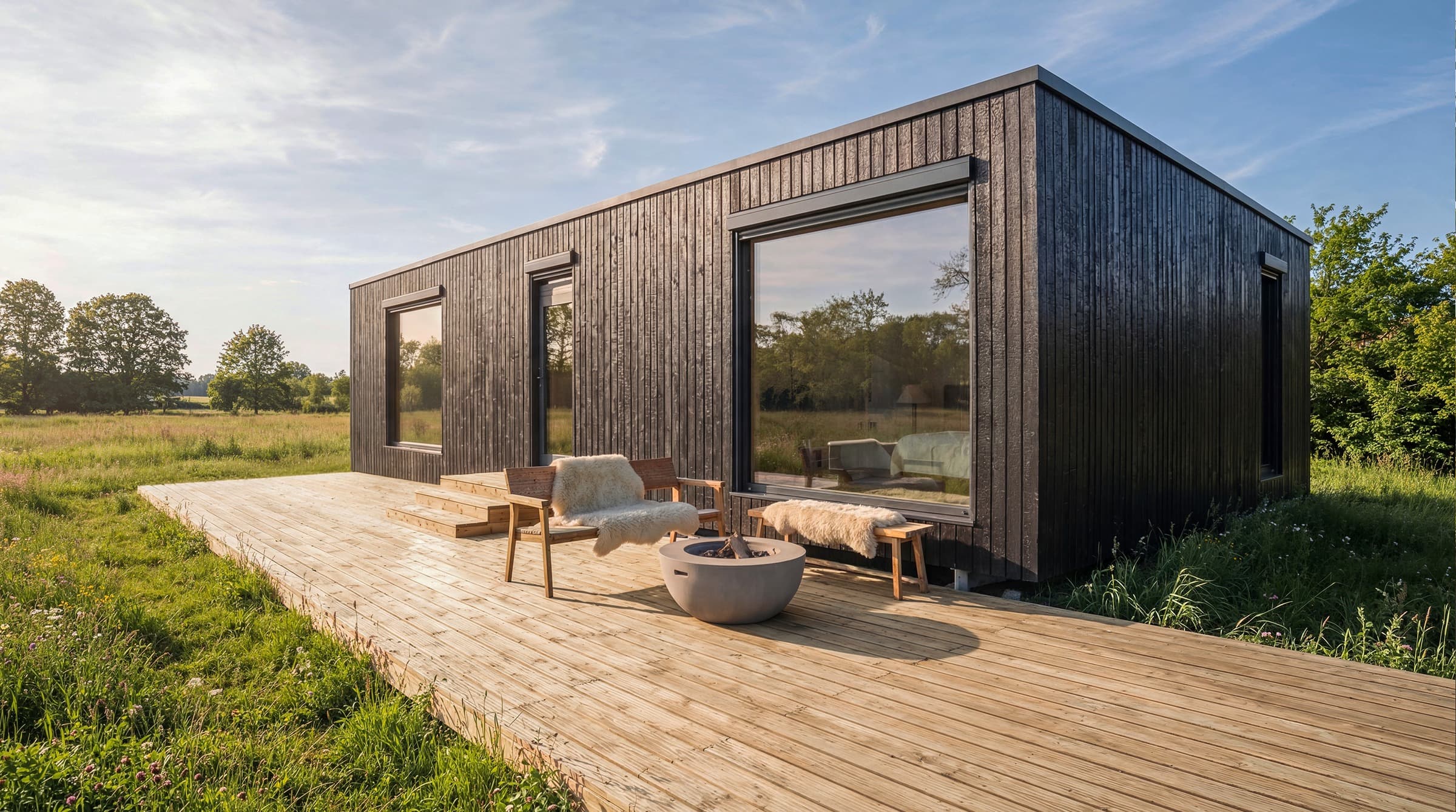
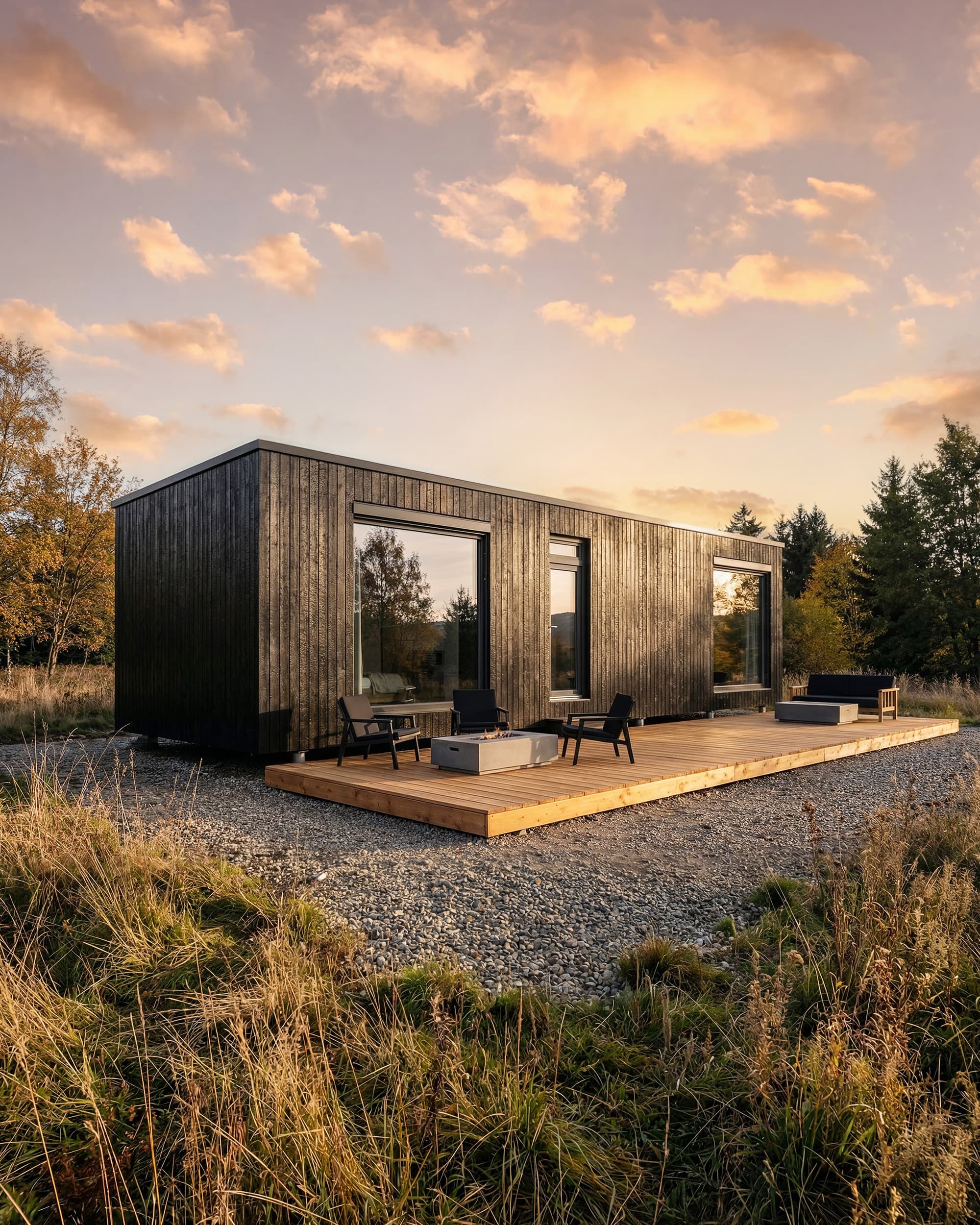
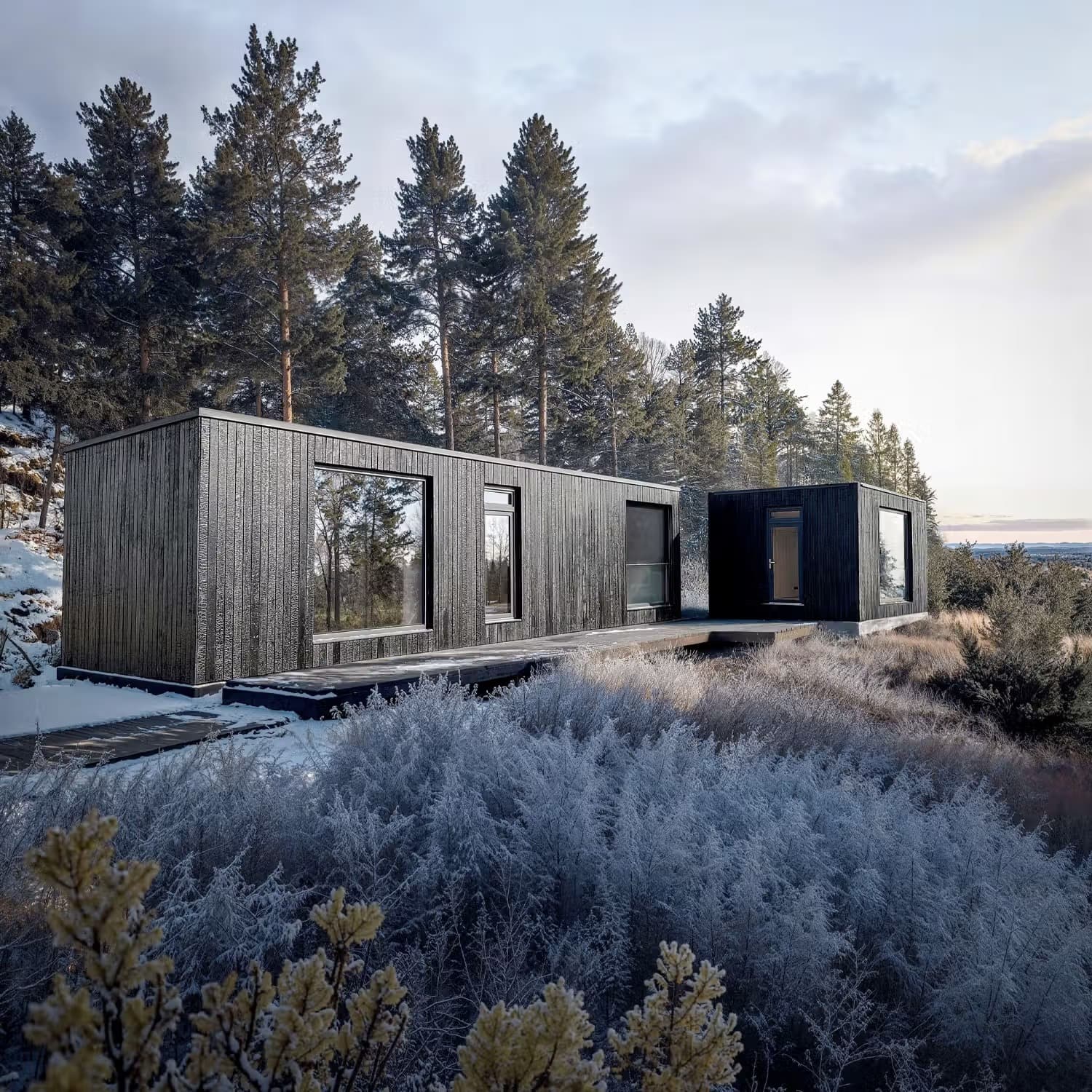
Timber construction is safer, more sustainable, and longer-lasting than most people assume. Mass timber achieves 2+ hour fire ratings through natural charring, stores 1 tonne of CO2 per cubic metre, and is engineered for 80+ years with proper maintenance. Research shows timber interiors reduce stress, lower blood pressure, and improve productivity. BioBuilds uses 98% organic materials to deliver homes built on a Passivhaus-certified system that protect both families and the planet.
Wood is humanity's oldest building material, yet modern timber construction represents the cutting edge of sustainable architecture. The gap between public perception and scientific reality has never been wider. Many assume timber burns easily, rots quickly, and cannot match the durability of steel and concrete. The research tells a different story entirely.
This guide examines what the science actually shows about timber construction. We address the concerns that prevent families from choosing wood -- fire safety, durability, moisture resistance -- with data from fire testing laboratories, centuries-old buildings, and peer-reviewed climate research. The evidence supports a conclusion that surprised even industry professionals: timber is not merely competitive with conventional materials but superior across multiple dimensions that matter most for family homes.
What is timber-frame construction
Timber-frame construction joins large wooden posts and beams using precision joinery techniques rather than relying on thousands of small fasteners. Traditional timber framing dates back thousands of years, with buildings in India from 200 BC still standing using teak timbers with bamboo peg joinery. The method dominated European and American construction until the mid-19th century, when balloon framing with smaller lumber emerged as a faster, cheaper alternative.
Today's timber construction combines traditional principles with advanced engineering. Engineered wood products like Cross-Laminated Timber (CLT), Glue-Laminated Timber (glulam), and Laminated Veneer Lumber (LVL) deliver strength comparable to steel and concrete while retaining wood's inherent benefits. CLT is manufactured by stacking wood panels in alternating directions and bonding them together, creating panels strong enough for floors, walls, and roofs in buildings up to 18 stories.
The distinction between timber-frame and conventional "stick-built" construction matters significantly for longevity. Stick-built homes use smaller dimensional lumber (2x4s, 2x6s) connected with nails and screws. Building codes require these structures to last just 50 years. Timber-frame construction with larger posts and proper joinery is routinely engineered for 80+ years of service life, with some exceptional historic examples surviving even longer across Europe.
Fire safety: The charring phenomenon
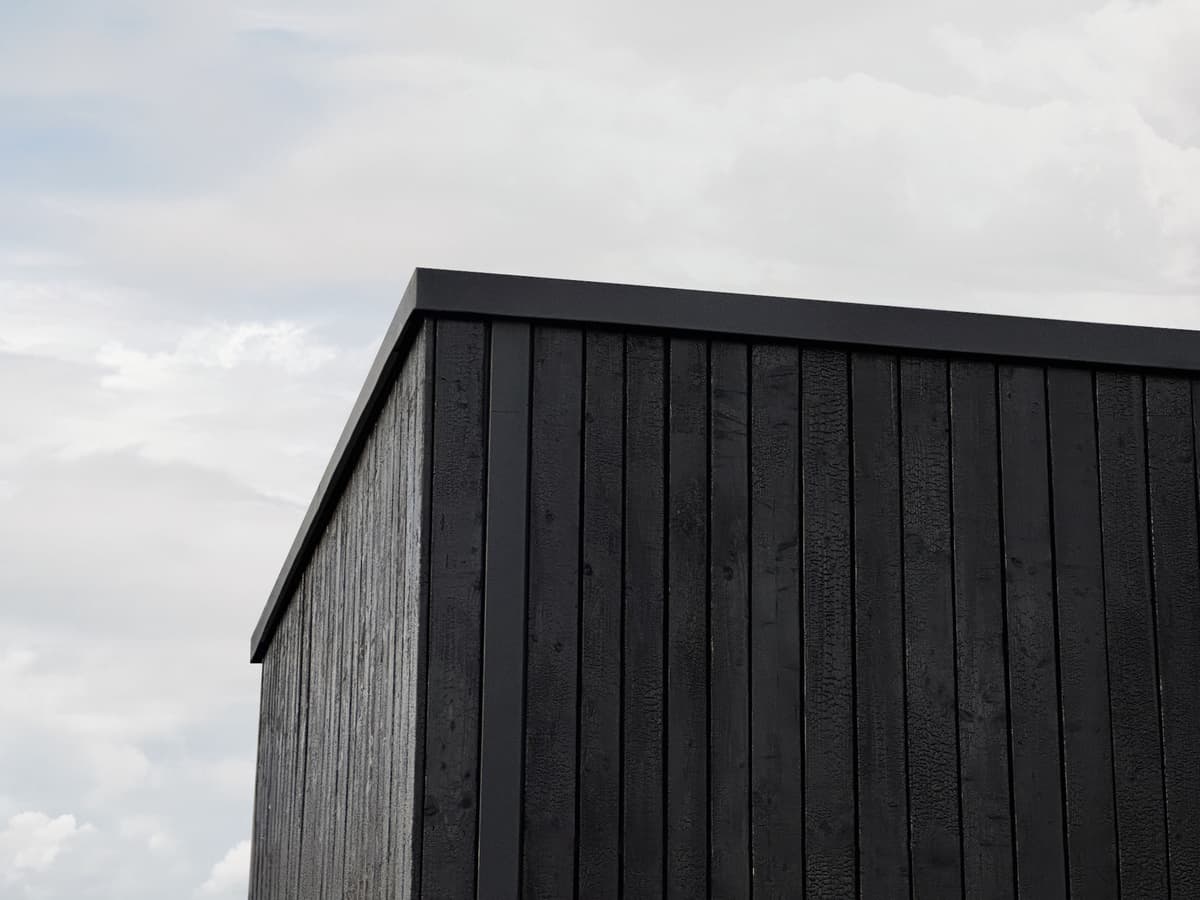
The assumption that wood burns dangerously misunderstands how mass timber actually behaves in fire conditions. When exposed to flame, the outer layer of thick timber burns and converts to char at approximately 300 degrees C. This charred layer then acts as an insulating barrier, dramatically slowing combustion of the inner wood. The process is predictable, measurable, and forms the basis for engineering fire-safe timber structures.
This new series of fire testing shows that taller wood buildings, including those with exposed timber, do achieve fire safety standards and provide good fire performance, comparable to other building materials.
-- Marc Alam, Senior Manager Codes and Standards, Canadian Wood Council
Fire testing demonstrates this protective effect convincingly. Mass timber and properly detailed timber assemblies can achieve fire-resistance ratings that meet or exceed typical residential code requirements. The Mass Timber Demonstration Fire Test Program subjected buildings to worst-case fire scenarios without sprinklers or firefighter intervention. Even under these extreme conditions, mass timber buildings remained structurally stable, with fires decaying and beginning to self-extinguish as fuel was consumed.
The comparison with steel is instructive. Steel does not burn, but it loses structural integrity rapidly at high temperatures -- buckling and failing unpredictably. Building codes require steel structures to be encased in fireproofing materials specifically because unprotected steel performs poorly in fires. Mass timber, by contrast, maintains structural capacity during fire exposure because the char layer insulates unburned wood while maintaining the section's load-bearing ability.
Fire resistance ratings explained
European fire safety is governed by EN 13501-2, which defines fire resistance classes for structural elements. Mass timber readily achieves the ratings required for residential construction, with CLT and glulam products available in 60, 90, and 120-minute fire resistance configurations. The 2021 International Building Code introduced three new timber construction classifications (Type IV-A, IV-B, IV-C), permitting mass timber structures up to 18 stories with appropriate fire protection measures.
Building codes recognize that heavy timber construction -- defined as beams and columns exceeding 150mm x 150mm -- presents fundamentally different fire behavior than light-frame construction. The National Fire Protection Association (NFPA) gives heavy timber a two-hour fire rating specifically because larger sections take substantially longer to lose structural capacity than smaller dimensional lumber.
Mass timber's fire performance is not a liability to be engineered around -- it is an inherent property that exceeds code requirements when properly specified. The charring phenomenon provides predictable, reliable fire resistance that allows occupants time to evacuate and firefighters time to respond.
Durability: Buildings that last centuries
The question of how long timber homes last has a clear answer from both history and modern engineering: well-constructed timber buildings are routinely engineered for 80+ years of service life, with exceptional examples lasting far longer. England's Barley Barn, built around 1220, remains standing. Fachwerkhauser (half-timbered houses) from 14th-century Germany are still inhabited today. Japan's Horyu-ji temple, whose oldest halls have stood since the late 7th century, demonstrates the extreme potential of timber construction under ideal conditions.
Modern timber construction benefits from engineering advances unavailable to medieval builders. Engineered wood products offer greater strength and stability than solid timber. Controlled kiln drying reduces moisture content below the 19% threshold where decay organisms can establish. Advanced preservative treatments penetrate deep into wood fibres, providing decades of protection against insects and fungi.
| Construction Type | Design Life | Typical Lifespan | Historic Examples |
|---|---|---|---|
| Stick-built (2x4s) | 50 years | 50-80 years | Limited beyond 150 years |
| Timber frame (heavy) | 80+ years | 80+ years | Exceptional examples 500+ years |
| Steel frame | 50-100 years | 75-150 years | ~140 years (early skyscrapers) |
| Reinforced concrete | 50-100 years | 60-120 years | ~150 years (early examples) |
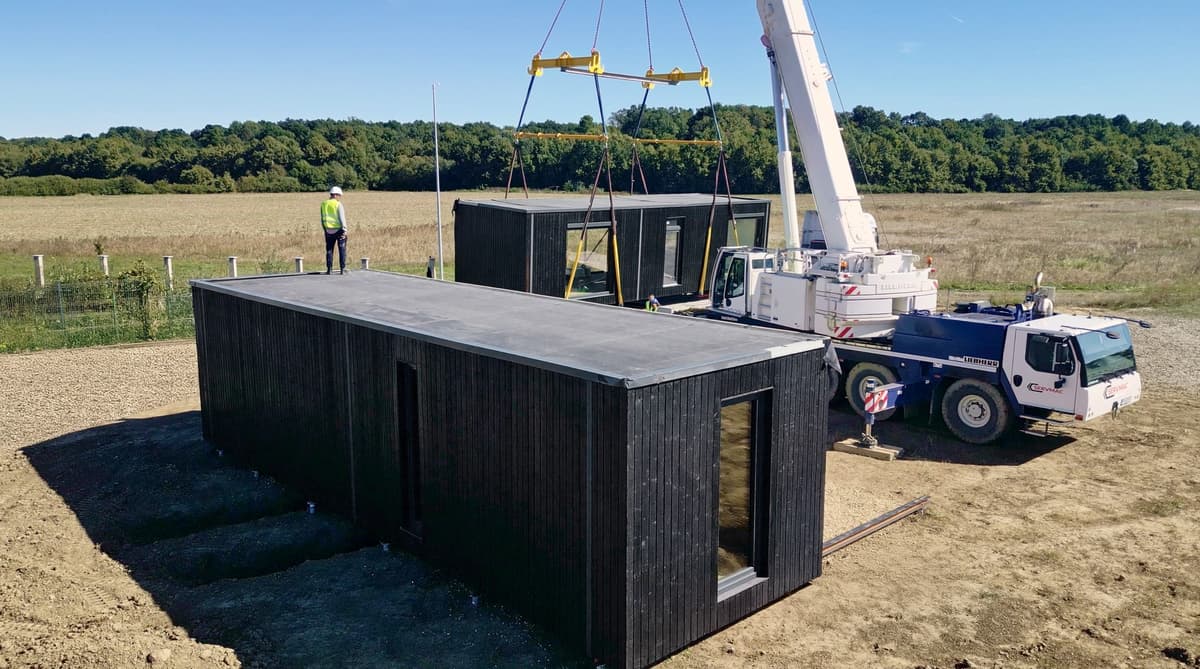
The primary threats to timber longevity are moisture, insects, and neglect -- all preventable with modern construction practices. Factory-built modular homes like those produced by BioBuilds address these risks systematically. Components are manufactured in controlled environments where moisture content is precisely managed. Assembly occurs indoors, eliminating weather exposure during construction. Treatment protocols protect against biological degradation from the outset.
Maintenance for maximum lifespan
Timber homes that reach 100+ years share common characteristics: they stay dry, receive regular inspection, and address issues promptly when identified. Annual inspection for signs of moisture intrusion, pest activity, or decay allows early intervention before problems become serious. Maintaining indoor humidity between 30-50% prevents the moisture accumulation that enables fungal growth.
The maintenance burden should not be overstated. Timber frames protected from weather by proper building envelopes require minimal ongoing attention. Exterior finishes may need periodic renewal, but the structural timber itself remains stable for generations. The investment in quality construction pays dividends through reduced repair costs over the building's entire service life.
Carbon storage: From sink to structure
Timber construction addresses climate change through two mechanisms: avoiding emissions from cement and steel production, and storing carbon that trees absorbed during growth. The construction sector accounts for 11% of global greenhouse gas emissions from materials alone -- more than the entire European Union's energy emissions. Cement and steel production require high temperatures typically achieved by burning fossil fuels, with cement manufacturing also releasing CO2 through chemical reactions.
Trees absorb CO2 during growth, converting it to organic carbon through photosynthesis. When harvested timber becomes a building, that carbon remains stored rather than returning to the atmosphere. Each cubic metre of wood contains approximately one tonne of sequestered CO2 equivalent. A five-story residential building structured in laminated timber stores up to 180 kg of carbon per square metre -- three times more than the above-ground biomass of high-density natural forests.
Life cycle assessments quantify the combined benefit. A review of 27 studies found that CLT construction reduces the carbon emissions of large buildings by approximately 40% compared to traditional materials. Mass timber buildings emit 198 kg CO2 equivalent per square metre of floor area compared to 243 kg for equivalent steel structures -- a 19% reduction before accounting for carbon storage. When biogenic carbon storage is included, the advantage expands dramatically.
By 2034, the construction sector could store more carbon in mass timber than it emits, dramatically shifting the industry's climate impact.
-- Ecochain LCA Software, North American Climate Analysis 2025
Global carbon potential
Research published in Nature Communications modelled scenarios where timber construction scales globally. If 90% of new urban residents were housed in mid-rise timber buildings, 106 gigatonnes of CO2 could be saved by 2100. A more conservative scenario with 30-60% timber adoption still achieves 25.6-39 gigatonnes of emission reductions -- roughly equivalent to one year of total global energy-related CO2 emissions.
The carbon accounting becomes even more favourable when forests are sustainably managed. Harvesting trees and replanting creates a cycle where the total carbon stored in wood products plus growing forests exceeds the carbon that would be stored in an unharvested old-growth forest. The key requirement is sustainable forestry practices that maintain forest area and biodiversity -- a standard met by FSC and PEFC certification programmes operating across Europe.
Health benefits: Biophilic design
Humans spend over 80% of their lives indoors, making interior environments a major determinant of health and wellbeing. Research increasingly documents that wood interiors provide measurable physiological and psychological benefits through mechanisms related to our evolutionary connection to natural environments. This field, known as biophilic design, positions wood as a foundational material for healthy buildings.
A landmark study by the University of British Columbia measured stress responses in office environments with and without wood elements. The visual presence of timber lowered stress more effectively than plants, while rooms with approximately 45% timber surfaces boosted perceptions of comfort and reduced blood pressure. Participants in the study showed activation of the parasympathetic nervous system -- the "rest and digest" response that counteracts stress.
Research in China found that participants reported better attention and productivity in rooms with wooden structures compared to concrete environments. Performance on neurobehavioral tests improved in wooden rooms, with faster completion times and more correct answers. A study of 1,000 Australian workers found correlations between wood presence and overall job satisfaction, lower absenteeism, higher concentration levels, and improved productivity.
Healthcare applications
The healthcare sector has begun applying these findings. Wood's biophilic properties can improve indoor air quality, reduce stress levels, lower heart rate and blood pressure, and create a sense of connection to nature -- all beneficial for patient recovery. Research dating to 1984 found that surgical patients with window views of nature recovered faster and required shorter hospital stays than those viewing walls. Timber interiors may provide similar restorative effects.
Hygiene concerns in healthcare settings are addressed by research showing that untreated wood has antimicrobial properties against pathogens responsible for healthcare-associated infections. The Quinte Health Prince Edward County Memorial Hospital in Ontario, breaking ground in 2024, will be North America's first acute-care hospital with an unencapsulated all-mass-timber structure -- a test case for timber's role in healing environments.
Wood interiors are not merely aesthetically pleasing -- they produce measurable physiological responses that reduce stress, improve cognitive performance, and support overall wellbeing. Homes built with exposed timber provide daily benefits that compound over years of habitation.
Modern wood protection technologies
The primary concern with timber construction -- vulnerability to moisture, decay, and pests -- is addressed through multiple protection strategies that modern manufacturers apply systematically. These treatments extend beyond simple surface coatings to fundamentally alter wood's properties at the cellular level.
Pressure treatment forces preservatives deep into wood fibres using vacuum cylinders. The timber is placed in a vacuum to remove air, then flooded with preservative under high pressure, ensuring penetration throughout the section rather than just surface coating. Pressure-treated timber resists rot, parasites, and insects for decades in exposed conditions. Modern formulations using copper compounds have replaced older treatments containing chromium and arsenic, providing equivalent protection without environmental concerns.
Thermal modification subjects wood to temperatures of 160-215 degrees C in oxygen-free atmospheres, permanently altering its chemical structure. Thermally modified timber (TMT) exhibits improved dimensional stability, reduced moisture absorption, and increased resistance to biological degradation -- all without chemical additives. Products like Thermowood (Finland), Platowood (Netherlands), and similar processes deliver exterior-grade durability suitable for cladding and decking without ongoing preservative treatment.
Engineered wood products combine small-dimension timber into larger structural sections with adhesives that provide additional moisture resistance. CLT panels are manufactured from kiln-dried timber at controlled moisture content, eliminating the variability of site-cut lumber. The lamination process itself creates barriers to moisture migration, while quality control ensures consistent performance across production runs.
Factory advantages
Factory-built timber homes like BioBuilds modules benefit from conditions impossible to replicate on construction sites. Components remain protected from weather throughout manufacturing. Moisture content is verified at each stage, with timber installed only when properly dried below 19%. Preservative treatments are applied in controlled conditions that ensure complete coverage. Assembly joints are sealed against air and moisture infiltration using precision-cut interfaces.
The result is timber construction that arrives on site pre-protected against all major degradation pathways. Site-built timber homes face rain exposure during framing, temperature fluctuations during curing, and variable quality in preservative application. Factory construction eliminates these risks, delivering predictable long-term durability regardless of weather conditions or site supervision quality.
Building codes and regulations
European building codes increasingly recognize timber's capabilities, though regulations vary significantly between countries. The Construction Products Regulation (CPR), updated in 2024 and entering force in January 2025, harmonizes requirements for timber products across the EU while allowing member states to maintain building-specific regulations.
Eurocode 5 (EN 1995) provides unified design standards for timber structures across Europe, covering structural design, fire resistance, and bridge applications. A comprehensive revision planned for 2025 will update these standards to reflect advances in engineered timber products. The design code system ensures that timber buildings engineered to Eurocode standards achieve consistent safety levels regardless of which EU country they're built in.
| Country | Max Height (Timber) | Fire Rating Required | Permitting Status |
|---|---|---|---|
| Switzerland | No specific limit | Performance-based | Fully accepted |
| EU average | 8+ stories | 60-90 minutes | Fully accepted |
| Germany | 4-5 stories typical | Regional variation | Fully accepted |
| UK | Performance-based | 60-120 minutes | Fully accepted |
| Romania | EU harmonized | EU harmonized | Fully accepted |
Timber-frame construction is accepted across virtually all of Europe, with permitting presenting no significant barrier for residential projects. Germany's building codes vary by individual federal states (Bundeslander), but all states permit timber-frame residential construction. The German Model Building Regulations (Musterbauordnung) allow timber construction up to five stories, with residential single-family homes facing no special restrictions.
The 2021 International Building Code changes in the United States demonstrate the direction of regulatory evolution. New construction types (IV-A, IV-B, IV-C) permit mass timber buildings up to 18 stories with appropriate fire protection, reflecting confidence in engineered timber's fire performance. European codes are expected to follow similar trajectories as research continues to document timber's safety record in tall buildings.
Timber construction represents a convergence of tradition and innovation that addresses contemporary challenges -- climate change, resource efficiency, occupant health -- while drawing on millennia of proven performance. The evidence base supports timber not as a compromise but as a superior choice across multiple dimensions that matter for family homes.
BioBuilds applies these principles through 98% organic material construction, Passivhaus certification for energy efficiency, and factory manufacturing that ensures consistent quality. The combination delivers homes that protect families from energy costs, support health through natural materials, and contribute to climate solutions through carbon storage. Building with timber is not returning to the past -- it is building for the future.